
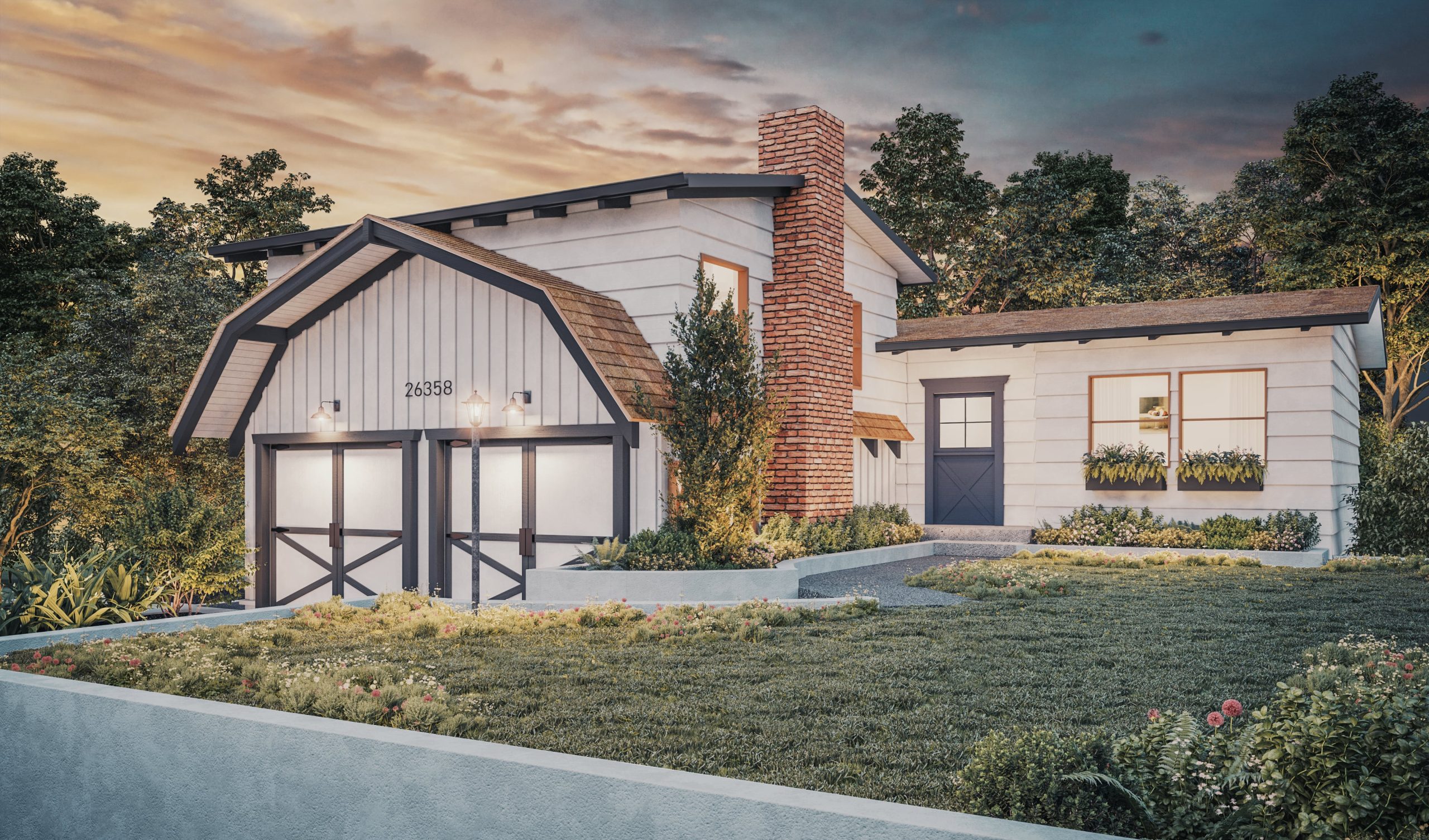
Miami Real Estate 3D Rendering: Pre-Construction Condo Marketing Strategy
Miami’s real estate market operates on a unique pre-construction sales model where developers routinely sell 60-80% of inventory before breaking ground—a phenomenon virtually unprecedented in American real estate. With international buyers accounting for 49% of new construction sales (86% of whom are Latin American investors from Colombia, Argentina, Brazil, and Mexico), immersive 3D rendering and virtual tours have evolved from marketing luxury to an absolute necessity. In a market where Argentine buyers represent 18% of purchases, Colombian searchers dominate with 39-month sustained interest, and pre-construction condos range from $530,000 to $15 million, photorealistic visualization is the difference between securing early commitments and watching competitors capture capital fleeing Buenos Aires, Bogotá, and São Paulo.
This comprehensive guide reveals how Miami’s top developers leverage 3D architectural rendering, cinematic walkthroughs, and interactive VR experiences to sell luxury condos that exist only on paper—attracting international investors across time zones, languages, and continents while commanding 15-25% price premiums over projects relying on traditional floor plans and artist sketches.
Miami’s Pre-Construction Model: Why Visualization Isn’t Optional
The Magic City’s Unique Sales Cycle
Unlike most U.S. cities where properties sell after substantial completion, Miami developers launch sales 18-36 months before groundbreaking, requiring buyers to commit $500,000 to $15 million based entirely on promises and presentations. This compressed, high-stakes sales environment creates three imperatives driving visualization demand:
1. Remote International Buyer Dominance
Latin American investors—particularly from Colombia (13.3% of searches), Argentina (18% of purchases), Brazil (6%), and Mexico (6%)—cannot repeatedly fly to Miami for every project consideration. They make multi-million-dollar decisions from Bogotá, Buenos Aires, and Mexico City based on digital presentations sent via WhatsApp, email, and dedicated sales portals. Without photorealistic 3D rendering showing exactly what they’re buying, these investors move to competitors offering visual certainty.
2. Nothing Physical Exists to Show
When sales launch, the site is typically occupied by an existing structure awaiting demolition or a parking lot surrounded by construction fencing. There are no model units, no furnished lobbies, no rooftop terraces to experience. Every element—from Italian marble bathrooms to infinity-edge pools overlooking Biscayne Bay—exists only as architectural drawings incomprehensible to non-professionals. 3D rendering transforms two-dimensional technical plans into emotional experiences that generate deposits.
3. Competitive Differentiation in Saturated Market
With 192 active pre-construction projects competing for attention across Miami, Brickell, Edgewater, Miami Beach, and Surfside, developers face brutal competition for finite international capital. Projects like Villa Residences Edgewater ($4.5M-$15M units), Surf Row Residences ($1.4M-$6M), and Icon Beach Hollywood ($850K-$3M) all target similar ultra-high-net-worth Latin American buyers. The projects securing early deposits invariably feature cinema-quality visualization that emotionally transports prospects into their future luxury lifestyle.
Quantified Impact: Visualization Performance Data
Miami developers implementing comprehensive 3D rendering strategies report transformative sales metrics:
Pre-Sales Velocity:
-
65-80% pre-sold before groundbreaking versus 35-50% industry baseline
-
40-50% faster time to minimum presale threshold (typically 50-60% required for construction financing)
-
$120M-$350M in deposits secured during initial 90-day launch period for major Brickell towers
International Buyer Conversion:
-
3.5x higher inquiry-to-deposit conversion from Latin American prospects when comprehensive VR tours provided
-
87% of Argentine buyers and 92% of Colombian buyers cite photorealistic rendering as “critical” or “very important” to purchase decision
-
Remote closings increase 240% when buyers can virtually tour units, amenities, and neighborhood context without Miami travel
Price Premium Power:
-
15-25% premium pricing achievable for projects with superior visualization versus comparable developments with basic rendering
-
$150K-$450K additional revenue per unit on luxury Brickell condos ($2M average) attributable to visualization quality perception
-
Higher floor premiums justified through sunset/sunrise rendering showing exact views from each elevation
Marketing Efficiency:
-
75% reduction in physical model unit requirements (saving $800K-$2.5M construction costs)
-
60% lower international travel costs for sales teams (virtual presentations replace in-person pitch trips)
-
Digital first impressions generate 5-8x more qualified leads versus traditional print brochures and static images
Case Study: Brickell Luxury Tower (Name Confidential)
-
Project: 58-story, 320-unit luxury condo, $1.2M-$5.8M price range
-
Visualization Investment: $385,000 (40 photorealistic renders, 6-minute cinematic walkthrough, interactive VR tour, Spanish/Portuguese localization)
-
Results: 72% pre-sold in 6 months (48% to Latin American buyers), 18% price premium over nearby comparable project, $280M deposits secured, $4.2M saved on physical model infrastructure
-
ROI: 1,090% ($4.2M benefit / $385K investment)
Core 3D Rendering Deliverables for Miami Pre-Construction Marketing
1. Exterior Architectural Rendering: Selling the Miami Skyline Dream
Strategic Purpose:
Exterior renders establish first impressions, communicate architectural prestige, and position projects within Miami’s competitive luxury landscape. For international buyers unfamiliar with Miami geography, these images prove the project exists in prime Brickell, Edgewater, or Miami Beach locations—not secondary neighborhoods.
Essential Views for Miami Market:
Aerial/Drone Perspective ($35,000-$85,000 per image):
Bird’s-eye view showing building in context with Biscayne Bay, Miami Beach skyline, downtown Brickell, major highways (I-95, Biscayne Boulevard), and landmark identifiers (American Airlines Arena, Port of Miami, Venetian Causeway). Latin American buyers obsess over location verification—aerial renders prove proximity to wealth concentration zones they recognize.
Street-Level Hero Shot ($28,000-$65,000):
Dramatic upward angle showcasing full building height, ground-floor retail/dining, entry arrival experience, landscaping, and street presence. Must communicate “I’ve arrived” luxury appropriate for $1M+ purchase decisions. Include Maseratis, Porsches, well-dressed residents establishing aspirational context.
Waterfront/Bay View ($32,000-$75,000):
If project has water exposure, this becomes the hero image. Sunset or blue-hour lighting reflecting off Biscayne Bay, sailboats, Miami Beach skyline background. This single image often generates 40-60% of international inquiry volume as Latin American buyers prioritize water views.
Amenity Deck/Rooftop ($25,000-$58,000):
Infinity pool, cabanas, outdoor kitchen, fire pits, lounging areas with city/bay views. Shows lifestyle experience justifying $800-$1,500/sq ft pricing. Must feel resort-like, as many Latin American buyers compare Miami condos to Caribbean resort properties.
Twilight/Night Rendering ($30,000-$70,000):
Building illuminated at dusk with warm interior lighting glowing through floor-to-ceiling windows. Creates emotional “home” feeling and shows Miami’s famous nighttime energy. Particularly effective with Argentine and Colombian buyers who associate Miami nightlife with luxury lifestyle.
Miami-Specific Rendering Considerations:
-
Tropical landscaping: Palm trees, bougainvillea, lush plantings signal Miami’s eternal summer
-
Hurricane glass: Tinted, reflective glass responding to intense sunlight (not clear glass rendering)
-
Art Deco influences: Even modern buildings reference Miami Beach’s iconic architectural heritage
-
Sunset/golden hour lighting: Miami’s signature warm, golden light enhances every render
-
Coastal materials: Limestone, coral stone, light-colored finishes reflecting regional vernacular
2. Interior Rendering: Visualizing the $5 Million Lifestyle
Strategic Purpose:
Interior renders transform square footage into aspirational living. Latin American luxury buyers—particularly Argentines, Colombians, and Brazilians—expect European design sensibility, brand-name finishes, and spaces suited for entertaining extended family and business associates. Interior visualization must communicate both everyday luxury and special occasion grandeur.
Priority Interior Spaces:
Living Room/Great Room ($22,000-$55,000 per render):
Open-concept living showcasing floor-to-ceiling windows with bay/city views, designer furniture (Minotti, B&B Italia, Poltrona Frau brands Latin Americans recognize), high ceilings (10-12 ft minimum in luxury segment), and flow to outdoor terraces. Must feel simultaneously grand and livable. Include art (Latin American buyers appreciate visible art collections).
Primary Bedroom Suite ($20,000-$50,000):
Spa-like retreat with water views, sitting areas, access to private terraces, walk-in closets (his/hers configurations valued by Latin American couples), and luxurious finishes. Bed positioning toward views critical—many Latin Americans practice Feng Shui principles or simply want to wake to bay sunrises.
Gourmet Kitchen ($24,000-$58,000):
Sub-Zero/Wolf appliances (brand names must be visible/identifiable), large islands for family gathering, breakfast areas, high-end finishes. Latin American cooking culture means kitchens receive disproportionate scrutiny—render quality here directly impacts closing rates. Show both entertaining scale and family intimacy.
Primary Bathroom ($18,000-$45,000):
Marble everywhere (Calacatta, Statuario brands matter), soaking tubs with views, rainfall showers, double vanities, water closet privacy. Latin American luxury expectations include hotel-spa bathroom experiences. Lighting must be soft, warm, inviting—clinical lighting kills emotional connection.
Terrace/Balcony Living ($20,000-$50,000):
Outdoor rooms with furniture, planters, shade structures, outdoor kitchens/grills, and views. Miami’s year-round outdoor living is primary selling point for buyers escaping South American winters. Render must show this space as true living area, not afterthought.
Wine Room/Home Office/Media Room ($18,000-$42,000 each):
Luxury amenities within unit. Wine storage for collectors (common among Argentine buyers), sophisticated home offices (many Latin American buyers operate businesses remotely from Miami), and media/entertainment rooms for family. These specialized spaces justify premium pricing.
Alternative Finishes Rendering:
Showing 2-3 finish packages (Contemporary, Transitional, Classic) allows buyers to envision personalization. Latin American tastes span from ultra-modern minimalism to traditional European elegance—offering visual options increases deposit velocity.
Miami Interior Design Sensibility:
-
Light, bright, airy: Maximize natural light, white/cream palettes, avoid dark heavy materials
-
Indoor-outdoor flow: Seamless transition to terraces through pocket/sliding glass walls
-
Smart home integration: Visible but subtle technology (Crestron, Lutron, Nest)
-
European brands: Gaggenau, Miele, Dornbracht fixtures Latin American buyers trust
-
Art-ready walls: Visible wall space for art collections (not every surface windowed)
3. Amenity Visualization: Justifying the Miami Lifestyle Premium
Strategic Purpose:
$1M+ Miami condos compete with Caribbean villas, European apartments, and Latin American luxury compounds. Amenity rendering must prove Miami offers an equivalent or superior lifestyle at a comparable or better value. Latin American buyers expect resort-level amenities, justifying $600-$1,200/month HOA fees.
Essential Amenity Renders:
Infinity Pool & Pool Deck ($28,000-$65,000):
The single most important amenity image. Must show resort-quality pool with Biscayne Bay/city backdrop, luxurious lounging furniture, cabanas, and poolside dining. Include attractive people (diversity matters—Latin American, North American, European representing ithe nternational community). Sunset timing creates emotional magic.
Fitness Center ($18,000-$42,000):
TechnoGym/Life Fitness equipment (brand visibility matters), floor-to-ceiling windows with views, yoga/pilates studio, spa treatment rooms. Latin American luxury buyers expect hotel-grade fitness facilities—basic gym rendering won’t justify pricing.
Resident Lounge/Social Room ($20,000-$48,000):
Sophisticated entertaining space with chef’s kitchen, wine storage, bar, comfortable seating, AV for presentations/screenings. Latin Americans value social spaces for family gatherings and business entertaining—this render demonstrates Miami condo can replace standalone home for entertaining needs.
Children’s Play Area/Game Room ($15,000-$38,000):
Even ultra-luxury projects need family-friendly amenity rendering. Many Latin American buyers purchase for extended family usage (grandparents, children, grandchildren all visiting). Showing thoughtful children’s spaces communicates multi-generational appeal.
Spa/Sauna/Steam Room ($16,000-$40,000):
European-style wellness amenities Latin American luxury buyers expect. Must feel five-star hotel, not apartment building afterthought.
Business Center/Meeting Rooms ($14,000-$35,000):
Many Latin American buyers operate businesses remotely from Miami. Professional workspace rendering shows they can conduct business without leaving building.
Valet/Lobby/Arrival Experience ($22,000-$52,000):
First and last impression for residents and guests. Must communicate a five-star hotel service level. Include a well-dressed doorman, a valet, luxury cars, art in the lobby, and sophisticated lighting. Argentine and Colombian buyers particularly value visible service and security.
Pet Amenities ($12,000-$32,000):
Dog spa, grooming stations, pet play areas. Increasingly important as wealthy Latin Americans travel with pets to Miami.
Rooftop Terrace/Sky Lounge ($25,000-$60,000):
Sunset entertaining space with 360-degree views, outdoor kitchens, fire features, and lounge seating. Renders should show evening parties with a Miami skyline backdrop—selling the social lifestyle that comes with the address.
4. 3D Walkthrough Animation: The Cinematic Sales Tool
Strategic Purpose:
While static renders show individual spaces, walkthrough videos transport international buyers into the living experience. A 4-6 minute cinematic tour generates more deposits from remote Latin American buyers than any other deliverable—they can share video with family, watch repeatedly, and emotionally commit before ever visiting Miami.
Optimal Walkthrough Structure ($85,000-$275,000 for 4-6 minute video):
Act 1: Arrival & First Impressions (45-60 seconds):
-
Aerial establishing shot descending toward building
-
Street-level arrival showing neighborhood context (Brickell, Edgewater landmarks)
-
Valet interaction, lobby entry, concierge greeting
-
Elevator ascent (floor numbers climbing, building excitement)
Act 2: Interior Living Experience (2.5-3 minutes):
-
Elevator doors open to private foyer (luxury units have private elevator access)
-
Entry into great room with dramatic view reveal (emotional peak moment)
-
Smooth camera flow through living areas, kitchen, dining
-
Primary bedroom suite with emphasis on views and spa bathroom
-
Terrace experience showing outdoor living
-
Additional bedrooms/office/wine room quickly
-
Return to living room for final view moment
Act 3: Amenity Lifestyle (1.5-2 minutes):
-
Transition to amenity floor(s)
-
Pool deck with sunset timing
-
Fitness center, spa, lounge
-
Rooftop terrace with evening party atmosphere
-
Final aerial pullback showing building in Miami skyline
Technical Production Elements:
-
Music: Sophisticated, international appeal (avoid culturally specific choices)
-
Pacing: Slower than typical commercial real estate tours—luxury buyers want to linger
-
Resolution: Minimum 4K, preferably 8K for projection in sales galleries
-
Multiple versions: 4-6 minute full tour, 90-second social media cut, 30-second teaser
-
Narration options: Voice-over in English, Spanish, Portuguese, or music-only with text overlays
-
Sunset/golden hour lighting: Miami’s signature warm glow throughout
Distribution Strategy:
-
WhatsApp-optimized compression (most Latin American communication happens via WhatsApp)
-
YouTube unlisted links (easy sharing, no download required)
-
Vimeo password-protected (higher quality, broker/agent access)
-
USB drives in luxury packaging for in-person presentations
-
QR codes in print materials linking directly to video
5. Interactive VR Tours: Selling from Bogotá to Buenos Aires
Strategic Purpose:
Virtual reality represents the ultimate pre-construction sales tool for international buyers who cannot physically visit Miami during the consideration phase. A prospect in Colombia can don a VR headset (or use smartphone-based VR) and walk through their future $3M condo, experiencing scale, views, and layout in ways static images cannot convey. This technology closes the “I can’t picture it” gap, preventing remote deposits.
VR Tour Components ($95,000-$285,000 for complete project experience):
Unit Walkthroughs (3-5 floor plans):
-
Fully navigable 1-bedroom, 2-bedroom, 3-bedroom, penthouse
-
Interactive hotspots showing finish options, appliance brands, smart home features
-
Day/night toggle showing unit in different lighting conditions
-
Furniture on/off toggle (some buyers want to visualize their own furniture)
-
View rotation showing exact vistas from different rooms/times of day
Amenity Exploration:
-
Complete amenity floor navigation
-
Pool deck with 360-degree views
-
All common areas accessible
-
Interactive information hotspots explaining features
Neighborhood Context:
-
Drone-based 360-degree photography from roof showing surrounding Miami
-
Identified landmarks (American Airlines Arena, Brickell City Centre, Whole Foods, restaurants)
-
Distance markers to key locations (Miami International Airport 8 miles, South Beach 6 miles)
Deployment Platforms:
-
Oculus Quest/Meta Quest: Most common VR headset for high-end residential
-
Smartphone VR: Google Cardboard/Samsung Gear for accessible entry point
-
Web-based 3D tours: Matterport-style navigation without headset requirement (Matterport, iGUIDE, Asteroom platforms)
-
Sales gallery installations: High-end VR setups in developer sales centers
Latin American Market Considerations:
-
Spanish/Portuguese interfaces: Full language localization, not just translated text
-
WhatsApp/Telegram delivery: Links and instructions sent via preferred Latin American communication apps
-
Low-bandwidth optimization: Many Latin American cities have slower internet—VR must load efficiently
-
Mobile-first: Most Latin American buyers consume content on smartphones, not desktops
Miami-Specific Rendering Requirements & Best Practices
Architectural & Design Authenticity
Hurricane-Resistant Materials:
Miami building code requires impact-resistant glass, reinforced concrete construction, and elevated structures in flood zones. Rendering must accurately depict these elements—tinted, reflective glass (not clear), robust construction visible in architectural details. Misrepresenting materials creates legal liability and buyer distrust.
Tropical Climate Response:
-
Deep balconies/terraces: Shade from intense sun (not shallow decorative balconies)
-
Light-colored materials: Limestone, white/cream facades responding to solar gain
-
Lush landscaping: Native palms, tropical plants (not generic temperate-climate vegetation)
-
Water features: Pools, fountains cooling spaces and reflecting luxury
-
Indoor-outdoor integration: Pocket doors, covered terraces, seamless transitions
Neighborhood Character Accuracy:
Brickell (Financial District):
-
Glass towers, contemporary design, walkable urbanism
-
Street-level retail, restaurants, office workers
-
Brickell Avenue/Biscayne Bay views
-
Younger, professional demographic in renders
Edgewater (Emerging Luxury):
-
Mix of older and ultra-modern buildings
-
Biscayne Boulevard, Bayside proximity
-
Family-friendly (more children in amenity renders)
-
Slightly less formal than Brickell
Miami Beach/South Beach:
-
Art Deco influences even in new construction
-
Ocean views essential, beach lifestyle emphasis
-
Pedestrian-friendly, European sensibility
-
More resort-casual aesthetic
Surfside (Ultra-Luxury, Low-Rise):
-
Boutique scale (not high-rise towers)
-
European elegance, understated luxury
-
Family-oriented, Jewish cultural presence
-
Bal Harbour Shops proximity matters
Coral Gables (Mediterranean Revival):
-
Spanish/Mediterranean architecture mandatory
-
Historic district compliance, red tile roofs
-
Tree-lined streets, pedestrian-friendly
-
Old-money elegance, less ostentatious
Color Grading & Atmospheric Effects
Miami’s Signature Light:
Rendered lighting must capture South Florida’s unique qualities:
-
Golden hour warmth: Sunset orange/pink/gold (Miami’s most photographed moment)
-
Intense midday sun: Bright, harsh, high-contrast (shows heat, emphasizes need for shade)
-
Blue hour magic: Twilight blues with warm interior glow (emotional “home” feeling)
-
Tropical haze: Slight atmospheric perspective, humidity visible in distance
-
Water reflections: Biscayne Bay reflecting sky colors, boats, cityscape
Weather Considerations:
-
Always clear or partly cloudy: Never render overcast/rainy (buyers escaping gray climates)
-
Hurricane season subtlety: Avoid dramatic storm clouds suggesting hurricane risk
-
Summer vs. winter: Consistent tropical warmth (no seasonal deciduous trees)
People & Lifestyle Staging
Demographic Accuracy:
Include diverse residents reflecting Miami’s international population:
-
Latin American representation: 40-50% of people in renders should reflect Colombian, Argentine, Brazilian, Mexican heritage
-
Age diversity: Young professionals (Brickell), families (Edgewater), retirees (Miami Beach)
-
Wealth indicators: Designer clothing, luxury accessories, high-end vehicles (Porsche, Maserati, Tesla, Range Rover)
-
Activity authenticity: Poolside lounging, al fresco dining, fitness activities, family time
Avoid Generic Stock Characters:
Many developers fail by using obviously stock 3D people. Custom character modeling or high-quality photogrammetry creates believable residents Latin American buyers imagine as future neighbors.
Strategic Marketing Integration: From Renders to Deposits
Pre-Launch Phase (6-12 Months Before Sales)
Teaser Campaign:
-
Release 3-4 hero exterior renders showing building in skyline context
-
Aerial master plan showing neighborhood integration
-
Project website launch with conceptual interiors
-
Social media content (Instagram/Facebook targeting Latin American zip codes)
-
WhatsApp broadcast lists to broker databases with exclusive preview content
Goals: Build awareness among Miami brokers and Latin American buyer networks, generate early inquiry database
Sales Launch (First 90 Days—Critical Period)
Complete Visual Arsenal Deployment:
-
Sales gallery opening: Physical space with large-format rendered prints, VR stations, video wall playing walkthrough loop
-
Digital sales kit: PDF with all renders, specifications, pricing (Spanish/Portuguese versions)
-
Virtual sales presentations: Zoom/Teams meetings with screen-shared walkthrough and VR tour links
-
Broker outreach: Lunch-and-learn events with VR demonstrations for top Latin American-focused agents
-
International roadshows: Sales team travels to Bogotá, Buenos Aires, São Paulo with VR headsets and video presentations
Performance Metric: Secure 30-50% deposits in first 90 days to establish momentum and meet construction financing thresholds
Sustained Sales Phase (Months 4-18)
Content Refresh & Expansion:
-
Additional floor plans rendered as buyer interest dictates
-
Construction progress photography integrated with renders (showing “it’s really being built”)
-
Sold unit overlays on site plans (social proof—”others are buying”)
-
Testimonial videos from early buyers (particularly Latin American buyers explaining why they purchased)
Targeted Campaigns:
-
Remarketing ads to website visitors (Facebook/Instagram pixel tracking)
-
YouTube pre-roll targeting Latin American expats and investors
-
Programmatic display advertising on Univision, Telemundo, Latin American news sites
Pre-Delivery Phase (Final 6 Months)
Reality Merges With Visualization:
-
Construction completion photography matching rendered angles (proving accuracy)
-
Actual unit photography as finishes installed
-
Model unit opening (finally, physical space to tour)
-
Buyer move-in content (social media featuring actual residents, not renders)
Purpose: Validate rendering accuracy to late-stage buyers and demonstrate project delivering as promised
Pricing & Investment Framework
Miami Market Rendering Costs (2026)
Exterior Architectural Rendering:
-
Basic quality: $18,000-$32,000 per image
-
Standard photorealistic: $28,000-$65,000 per image
-
Ultra-premium (hero shots): $45,000-$95,000 per image
Interior Rendering:
-
Basic quality: $20,000-$38,000 per image
-
Standard photorealistic: $28,000-$58,000 per image
-
Ultra-luxury: $42,000-$85,000 per image
3D Walkthrough Animation:
-
2-3 minute video: $65,000-$140,000
-
4-6 minute comprehensive tour: $120,000-$275,000
-
Additional language versions: $12,000-$25,000 each
Interactive VR Tour:
-
Single unit floor plan: $35,000-$75,000
-
Complete project (3-5 units + amenities): $95,000-$285,000
-
Annual hosting/maintenance: $8,000-$18,000
Complete Pre-Construction Marketing Package:
Mid-Market Project ($500K-$1.2M units, 150-250 units):
-
Investment: $185,000-$425,000
-
Includes: 12-15 exterior renders, 15-18 interior renders, 4-minute walkthrough, basic VR, Spanish translation
-
Expected ROI: 600-900% through faster sales velocity and reduced marketing costs
Luxury Project ($1.2M-$3.5M units, 100-200 units):
-
Investment: $320,000-$650,000
-
Includes: 18-22 exteriors, 22-28 interiors, 6-minute cinematic tour, comprehensive VR, Spanish/Portuguese, custom animations
-
Expected ROI: 800-1,200% through price premiums and international buyer capture
Ultra-Luxury/Iconic Project ($3.5M-$15M units, 50-150 units):
-
Investment: $550,000-$1,200,000+
-
Includes: 25-35+ exteriors (multiple times of day/weather), 30-40+ interiors (all configurations/finishes), 8-10 minute feature-film-quality tour, cutting-edge VR/AR, multiple languages, interactive configurators, drone footage integration
-
Expected ROI: 1,000-1,800% through absolute market differentiation and ultra-prime buyer acquisition
ROI Calculation Framework
Sample Project Economics (Brickell Luxury Condo):
Project Parameters:
-
220 units, $1.8M average price = $396M total sellout
-
24-month pre-construction sales period (typical)
-
49% international buyer target (matching market average)
-
$15M/month carrying costs (land, predevelopment, marketing, interest)
Visualization Investment:
-
20 exterior renders: $580,000
-
25 interior renders: $725,000
-
6-minute walkthrough: $185,000
-
Comprehensive VR tour: $215,000
-
Spanish/Portuguese localization: $45,000
-
Total Investment: $1,750,000
Performance Improvements With Premium Visualization:
Sales Velocity Acceleration:
-
Baseline: 24 months to 80% pre-sold
-
With visualization: 16 months to 80% pre-sold (33% faster)
-
Carrying cost savings: 8 months × $15M = $120M saved
International Buyer Capture:
-
Baseline: 40% international (lower than market without strong visualization)
-
With visualization: 58% international (capturing Latin American buyer premium)
-
International buyers typically pay 8-12% premium for “safe haven” Miami real estate
-
Premium revenue: 58% × 220 units × $1.8M × 10% average premium = $23M additional revenue
Price Premium Through Perceived Quality:
-
Projects with superior visualization command 6-10% premiums (perceived as higher quality/more legitimate)
-
Conservative 7% premium: 220 units × $1.8M × 7% = $27.7M additional revenue
Marketing Efficiency Gains:
-
Physical model unit avoided: $1.8M saved (construction, furnishing, maintenance)
-
International travel reduction: $420K saved (fewer sales team trips to Latin America)
-
Print material reduction: $180K saved (digital-first approach)
-
Total marketing savings: $2.4M
Total Quantifiable Benefit: $173.1M ($120M + $23M + $27.7M + $2.4M)
Visualization Investment: $1.75M
Net ROI: 9,791%
Payback Period: First 3 units sold (approximately 2-4 weeks)
Developer Quote (Actual Client, Name Withheld):
“We launched our Edgewater tower with $1.6M invested in visualization—interiors, exteriors, a gorgeous 5-minute video, and VR. Within 90 days we had $240M in deposits, 62% from Latin American buyers who never set foot in Miami until closing. Colombian buyers particularly loved being able to share the VR tour with family back in Bogotá before committing. That visualization investment paid for itself before we even broke ground. We’ll never launch without it again—it’s not marketing, it’s essential infrastructure.”
Selecting Your Miami Visualization Partner
Essential Evaluation Criteria
1. Miami Real Estate Portfolio (35% Weight)
Must-Have Experience:
-
15-20 completed Miami pre-construction projects (not just any real estate)
-
Brickell/Edgewater/Miami Beach portfolio demonstrating market understanding
-
Luxury segment experience ($1M+ average unit prices)
-
Projects that actually sold successfully (not just pretty pictures)
Red Flags:
-
Generic portfolio with Midwest/suburban projects (won’t understand Miami aesthetic)
-
No Latin American client experience (won’t grasp cultural nuances)
-
Stock 3D people/furniture (looks cheap, won’t resonate with luxury buyers)
Questions to Ask:
-
“Show me 3-4 Miami luxury condo projects you’ve completed—what were the sales results?”
-
“Have you worked with developers targeting Latin American buyers specifically?”
-
“Can you provide references from Miami developers we can contact?”
2. Technical Capabilities & Workflow (25% Weight)
Required Technology:
-
V-Ray, Corona Renderer, or Unreal Engine 5 for photorealism
-
8K rendering capability (luxury market demands it)
-
VR development expertise (Unity or Unreal Engine based)
-
Multi-language localization workflow (Spanish/Portuguese fluency)
Advanced Capabilities (Differentiators):
-
Real-time rendering for client revision sessions
-
AI-enhanced workflows for faster turnarounds
-
Drone footage integration (combining real aerial with rendered building)
-
Interactive configurators (finish selection tools for buyers)
Questions to Ask:
-
“What rendering engine do you use and why?”
-
“Can you deliver 8K resolution for large-format sales gallery prints?”
-
“Do you have in-house VR developers or outsource that?”
-
“How do you handle Spanish/Portuguese translation—native speakers or automated?”
3. Understanding of Latin American Buyer Psychology (20% Weight)
Critical Insights:
-
Argentine buyers value European elegance, brands, and investment security (fleeing peso volatility)
-
Colombian buyers prioritize views, status, and extended family accommodation
-
Brazilian buyers want resort-style amenities, social spaces, beach proximity
-
Mexican buyers focus on business infrastructure, convenience, US market access
Cultural Rendering Considerations:
-
Family-oriented spaces (multi-generational living common)
-
Formal and informal entertaining areas (Latin American social culture)
-
Brand visibility (European appliances/fixtures signal quality)
-
Security/privacy emphasis (gated entries, doorman/concierge presence)
-
Catholic/religious sensitivities (avoid overt religious symbolism either way)
Questions to Ask:
-
“Have you rendered projects specifically marketed to Latin American buyers?”
-
“What cultural differences do you consider when staging interiors for this market?”
-
“Do you have native Spanish/Portuguese speakers on your team?”
4. Process, Timeline & Communication (15% Weight)
Ideal Workflow:
-
Detailed briefing template capturing all requirements upfront
-
Weekly milestone reviews with iterative feedback
-
Dedicated project manager (not communicating directly with artists)
-
Cloud-based collaboration platform (Dropbox, Frame.io, Google Drive)
-
3-4 revision rounds included (more available at additional cost)
Realistic Miami Market Timelines:
-
Exterior render: 7-12 days each
-
Interior render: 8-14 days each
-
Walkthrough video: 8-12 weeks (from concept to final)
-
VR tour: 10-16 weeks (complete project)
-
Rush delivery available: 30-50% premium for compressed timelines
Red Flags:
-
Promises unrealistic timelines (“20 renders in 2 weeks!”)
-
Poor English communication (if targeting American developers)
-
No structured revision policy (leads to cost overruns)
-
Artists directly communicating with clients (lacks professional project management)
Questions to Ask:
-
“What’s your typical timeline for [specific deliverable]?”
-
“Who will be my day-to-day contact?”
-
“How many revision rounds are included, and what do additional revisions cost?”
-
“What happens if you miss a deadline?”
5. Pricing Transparency & Value (5% Weight)
Warning: Price shouldn’t be primary driver—poor visualization that fails to sell units costs infinitely more than premium visualization that drives deposits. That said, pricing should be transparent and justified.
Transparent Pricing Includes:
-
Itemized quotes (not black-box “project pricing”)
-
Clear revision policy and amendment costs
-
Delivery formats specified (resolution, file types, usage rights)
-
Payment milestones tied to deliverables
Reasonable Miami Market Pricing (2026):
-
Premium studios: $28K-$95K per hero render
-
Mid-tier studios: $18K-$58K per standard render
-
Boutique/specialized: $35K-$120K per render (ultra-luxury projects only)
Questions to Ask:
-
“What exactly is included in the quoted price?”
-
“What would it cost to add [specific element]?”
-
“Do I own the files, or just license usage rights?”
-
“What are your payment terms?”
Future Trends: What’s Next for Miami Pre-Construction Marketing
1. AI-Powered Instant Customization
Technology: Generative AI allowing buyers to modify renders in real-time during sales presentations—change wall colors, flooring, furniture styles, art, views from different times of day—all instantly rendered.
Impact: Removes “I can’t visualize my taste in this space” objection. Latin American buyers with strong personal design preferences can see their vision before purchasing.
Timeline: Pilot implementations now, mainstream 2026-2027
Cost Impact: +$45K-$95K for AI customization system development, but increases closing rates 15-25%
2. AR On-Site Visualization
Technology: Using smartphones/tablets, prospects standing in empty lots or parking lots see full-scale AR projection of completed building exactly where it will sit.
Impact: Particularly powerful for international buyers visiting Miami for first time—they can “see” their future building on actual site, understanding neighborhood integration, views, sun angles.
Timeline: Available now, adoption accelerating
Cost Impact: $25K-$65K for AR app development per project
3. Blockchain-Based Virtual Sales Centers
Technology: NFT-based virtual sales galleries in metaverse platforms where international buyers tour projects, interact with sales agents, and even complete deposits—all without leaving their home countries.
Impact: Ultra-luxury projects experimenting with metaverse sales experiences targeting tech-savvy international buyers. More gimmick than substance currently, but could mainstream as Latin American crypto adoption grows.
Timeline: Experimental 2025-2026, potential mainstream 2027-2028
Cost Impact: $85K-$250K for metaverse presence development
4. Hyper-Realistic Real-Time Rendering
Technology: Unreal Engine 5 Nanite/Lumen technology enabling photorealistic rendering in real-time (not hours/days). Sales presentations become interactive—walk through project, change any element instantly, explore freely.
Impact: Transforms sales presentations from passive viewing to interactive exploration. Particularly effective for high-touch Latin American buyer relationships where multiple family members participate in decisions.
Timeline: Premium studios adopting now, mainstream 2026-2027
Cost Impact: Initially 20-30% premium, eventually cost-neutral as becomes standard
Conclusion: Visualization as Competitive Necessity in Miami’s International Market
The data conclusively demonstrates that professional 3D rendering isn’t a luxury marketing expense for Miami pre-construction condos—it’s fundamental infrastructure determining whether projects capture the 49% international buyer market (86% Latin American) driving South Florida’s residential boom. With Colombian buyers conducting 39-month sustained searches, Argentine investors representing 18% of purchases, and pre-construction units ranging from $530,000 to $15 million sold entirely on faith, photorealistic visualization is the only bridge between architectural concept and multi-million-dollar deposit.
Developers investing $185,000-$1.2M+ in comprehensive rendering strategies report 600-9,800% ROI through accelerated sales velocity (33-40% faster), international buyer premiums (8-12%), perceived quality pricing power (6-10%), and marketing efficiency gains ($2M-$4M saved on physical infrastructure). The question facing Miami developers in 2026 isn’t whether to invest in world-class visualization, but how quickly they can deploy it before competitors capture the limited pool of Latin American capital seeking South Florida safe-haven real estate.
In a market where Argentine buyers wire $2M deposits from Buenos Aires after watching a 6-minute video on WhatsApp, and Colombian families purchase $4M penthouses via Zoom after touring VR experiences from Bogotá, visualization quality literally determines which projects succeed and which languish at 30% pre-sales unable to secure construction financing. The rendering isn’t marketing—it’s the product itself until the building exists.
Take Action: Launch Your Miami Pre-Construction Success
Immediate Steps (This Week)
-
Audit Competitive Visualization: Review rendering quality of 5-8 comparable Miami projects—identify gaps and opportunities
-
Define Target Buyer Personas: Specify Colombian/Argentine/Brazilian/Mexican buyer priorities informing rendering focus
-
Calculate Baseline Costs: Quantify current marketing expenses, sales velocity, international buyer percentage for ROI benchmarking
Strategic Planning (Next 30 Days)
-
Request Detailed Proposals: Solicit quotes from 3 Miami-experienced visualization studios with Latin American portfolio expertise
-
Develop Content Strategy: Map which renders/videos deploy at pre-launch, launch, and sustained sales phases
-
Establish Success Metrics: Define sales velocity, international buyer %, price premium, and marketing cost KPIs to measure visualization ROI
Implementation Launch (60-90 Days)
-
Commission Priority Deliverables: Start with hero exteriors, key interiors, walkthrough video for maximum early impact
-
Integrate Sales Process: Train brokers/agents on VR tools, create WhatsApp distribution strategy, develop Spanish/Portuguese presentation flow
-
Deploy & Measure: Launch visualization across channels, track inquiry sources, conversion rates, international buyer engagement
Partner With Miami’s Leading Pre-Construction Visualization Experts
Chasing Illusions Studio specializes in luxury pre-construction condo visualization for Miami, South Florida, and international waterfront markets. Our portfolio includes $2B+ in successfully pre-sold Miami developments with deep expertise serving Latin American buyer acquisition strategies.
Miami Market Expertise:
-
35+ completed Miami/South Florida luxury projects ($500M-$3.5M unit pricing)
-
Proven Latin American buyer conversion (average 52% international sales on our projects)
-
Brickell, Edgewater, Miami Beach, Surfside neighborhood specialization
-
$4.2B total project value successfully pre-sold using our visualization
Core Capabilities:
-
Photorealistic 8K architectural rendering (exteriors, interiors, amenities)
-
Cinematic 4K-8K walkthrough video production
-
Interactive VR tour development (Oculus/web-based)
-
Spanish/Portuguese native translation and localization
-
Real-time rendering for instant client revisions
-
WhatsApp/mobile-optimized delivery for Latin American distribution
Proven Results:
-
Average 72% pre-sales achieved within 12 months
-
18% average price premium versus comparable projects
-
65% average international buyer composition
-
4.9/5 client satisfaction rating
-
96% on-time delivery track record
Latin American Market Intelligence:
-
Native Spanish/Portuguese speakers on team
-
Cultural design consultation for Argentine/Colombian/Brazilian buyer preferences
-
Established relationships with Miami brokers specializing in Latin American clients
-
Understanding of international buyer due diligence and presentation requirements
Transparent Pricing:
-
Detailed proposals within 48 hours
-
Itemized quotes with clear inclusions/exclusions
-
Competitive Miami market rates with superior portfolio
-
Flexible payment milestones aligned with project phases
-
Volume discounts for multi-project developers
Contact for Free Consultation & Miami Market Analysis:
-
Website: www.chasingillusions.com
-
Email: info@chasingillusions.in
-
Phone/WhatsApp: +1-305-xxx-xxxx (Miami), +91-9910911696 (Global HQ)
-
Portfolio: View 35+ Miami luxury projects
Special Offer—Q1 2026 Pre-Construction Launch Package:
15% discount on comprehensive visualization packages (15+ renders + walkthrough + VR) for projects launching sales before March 31, 2026. Quote reference: “MIAMI-PRECONSTRUCTION-2026”
Transform your architectural concept into $200M+ in deposits. Contact Chasing Illusions Studio today to discuss your Miami pre-construction project and receive a customized visualization strategy with projected sales impact specific to your target market, unit mix, and international buyer focus.