
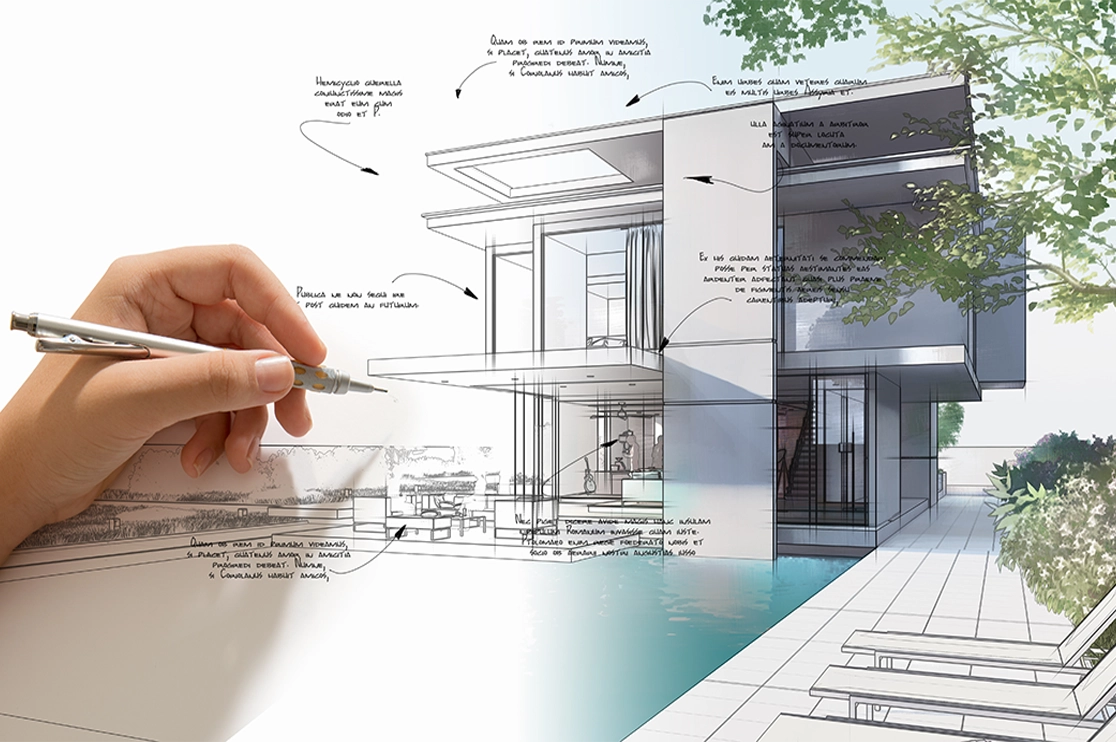
How 3D Site Plan Rendering Helps Sell Real Estate Faster: The Ultimate Guide for Commercial Property and Builders
In today’s hypercompetitive real estate market, developers and builders face a critical challenge: how do you convince buyers to invest millions in properties that exist only on paper? Traditional blueprints and 2D floor plans no longer cut it. Savvy real estate professionals are turning to 3D rendering for real estate marketing as their secret weapon to accelerate sales cycles, command premium prices, and eliminate buyer hesitation.
This comprehensive guide explores how 3D site plan rendering transforms the property sales process, delivers measurable ROI, and why commercial developers who ignore this technology risk losing deals to more visually sophisticated competitors.
[web_stories title=”true” excerpt=”false” author=”false” date=”false” archive_link=”true” archive_link_label=”All Web Stories” circle_size=”150″ sharp_corners=”true” image_alignment=”left” number_of_columns=”1″ number_of_stories=”8″ order=”DESC” orderby=”post_title” view=”carousel” /]
What is 3D Site Plan Rendering and Why Does It Matter?
A 3D site plan rendering is a photorealistic, bird’s-eye visualization of an entire property development. Unlike traditional architectural drawings, these renderings showcase every element of a project in stunning detail: buildings, landscaping, parking areas, amenities, surrounding infrastructure, and even environmental context like neighboring properties and natural features.
Think of it as Google Earth meets architectural photography, but for properties that don’t yet exist. The difference between showing a potential buyer a stack of technical drawings versus an immersive 3D site plan is like describing a sunset versus showing them a photograph. One requires imagination and expertise to interpret; the other delivers instant, emotional understanding.
For commercial property developers, mixed-use developments, residential communities, and industrial parks, 3D site plan rendering has evolved from a nice-to-have luxury into an essential sales tool. The numbers speak for themselves: properties marketed with high-quality 3D visualizations sell 40-50% faster than those relying solely on traditional marketing materials.
The Psychology Behind Visual Decision-Making in Real Estate
Before diving into the practical benefits, it’s crucial to understand why boosting property sales using 3D site plans works so effectively. The answer lies in human psychology and how our brains process information.
The Power of Visual Processing
Research shows that the human brain processes visual information 60,000 times faster than text. When a potential buyer looks at a 2D blueprint, their brain must work overtime to translate lines, symbols, and measurements into a mental picture of the finished space. This cognitive load creates friction in the decision-making process.
A photorealistic 3D site plan eliminates this mental translation step entirely. Buyers immediately see exactly what they’re getting: the spatial relationships between buildings, the flow of traffic patterns, the integration of green spaces, and how the development fits into its surrounding context. This instant comprehension accelerates the journey from initial interest to committed purchase.
Emotional Engagement Drives Sales
Real estate purchases are emotional decisions wrapped in financial justification. Buyers don’t just want to understand a property logically; they need to envision themselves using the space, imagine their tenants thriving there, or picture their customers visiting.
Traditional marketing materials engage primarily with the logical, analytical parts of the brain. High-quality 3D renderings activate emotional centers, helping buyers form that crucial personal connection with a property before a single foundation is poured. When buyers can visualize success in a space, they’re far more likely to commit quickly and at higher price points.
Reducing Perceived Risk
One of the biggest obstacles in pre-construction sales is buyer anxiety about the unknown. “What if it doesn’t look like I imagined?” “What if the spacing feels cramped?” “How will this actually function?”
Three-dimensional site plan rendering dramatically reduces perceived risk by providing concrete, visual answers to these concerns. When buyers see photorealistic representations that accurately depict scale, materials, lighting, and spatial relationships, their confidence increases exponentially. This confidence translates directly into faster decision-making and reduced sales cycle times.
How 3D Site Plan Rendering Accelerates the Sales Process
Let’s examine the specific mechanisms through which 3D rendering for real estate marketing shortens time-to-sale and improves conversion rates.
Immediate Comprehension for Non-Technical Buyers
The majority of real estate buyers, investors, and decision-makers aren’t architects or engineers. They can’t fluently read technical drawings or instantly visualize a finished development from blueprints alone. This creates a significant communication gap between what developers want to convey and what buyers actually understand.
High-quality 3D site plans bridge this gap instantly. A corporate executive evaluating office space, a retail investor considering a shopping center, or a business owner planning a warehouse facility can all understand exactly what they’re purchasing within seconds of viewing a comprehensive 3D rendering. This universal accessibility means you spend less time explaining and more time closing deals.
Enabling Remote Decision-Making
The commercial real estate landscape has fundamentally changed. International investors, institutional buyers, and remote stakeholders now represent a significant portion of the market. These decision-makers often must commit to properties they can’t personally visit, especially in the early stages of development.
Three-dimensional visualizations serve as the next best thing to a physical site visit. Detailed 3D site plans can be shared via email, embedded in presentations, or explored through interactive web platforms, allowing geographically dispersed stakeholders to evaluate properties thoroughly without travel delays. This accessibility expands your potential buyer pool while simultaneously accelerating the evaluation timeline.
Facilitating Faster Stakeholder Alignment
Most commercial real estate transactions involve multiple decision-makers: investors, partners, board members, lenders, and end-users. Getting all these parties aligned typically requires numerous meetings, presentations, and explanations of technical documents.
When you can share a photorealistic 3D site plan that everyone can instantly understand, you collapse multiple rounds of explanation into a single compelling presentation. Investment committees can evaluate opportunities faster, lending institutions can assess collateral more quickly, and partnerships can reach consensus without extended deliberation. Every day saved in stakeholder alignment represents thousands of dollars in holding costs and opportunity costs.
Reducing Sales Objections Through Clarity
Many sales objections stem from uncertainty rather than actual problems with the property. “I’m not sure about the parking situation.” “I can’t tell how the loading docks will function.” “I’m concerned about sight lines from the street.”
Comprehensive 3D site plan renderings preemptively address these concerns before they become objections. When buyers can see exactly how parking flows, how delivery vehicles navigate the site, and what the property looks like from every angle, uncertainty-based objections evaporate. Your sales conversations shift from overcoming doubts to discussing terms and closing details.
Creating Urgency Through Scarcity Visualization
Limited availability drives action. When potential buyers can see through 3D renderings exactly which premium lots remain available, which units offer the best views, or which retail spaces have the highest foot traffic potential, they’re motivated to act quickly before competitors secure the best positions.
Interactive 3D site plans that highlight available versus sold units create visual scarcity that’s far more impactful than a simple availability list. This visual urgency has been shown to reduce average decision times by 30-40% compared to traditional sales materials.
The ROI of 3D Site Plan Rendering: A Financial Analysis
Every marketing investment demands justification, particularly in commercial real estate where margins can be tight and costs scrutinized. The financial case for 3D rendering for real estate marketing is compelling when you analyze both direct and indirect returns.
Direct Cost Savings
Reduced Time-to-Sale: The average commercial development takes 18-24 months to sell out. If 3D visualizations reduce this timeline by even 20% (a conservative estimate based on industry data), that’s 4-5 months of saved carrying costs, including:
–>Construction financing interest
–>Property taxes on completed but unsold units
–>Marketing expenses extended over longer periods
–>Opportunity cost of capital tied up in inventory
For a $50 million development with typical carrying costs of $150,000 monthly, a four-month reduction in sales timeline represents $600,000 in direct savings. The cost of comprehensive 3D rendering typically ranges from $15,000 to $75,000 depending on project complexity. The return on investment is clear: even in this conservative scenario, you’re looking at an 8:1 to 40:1 return.
Reduced Physical Marketing Center Costs: Traditional real estate marketing often requires expensive physical sales centers with scale models, printed materials, and on-site staff. While some presence remains valuable, 3D renderings significantly reduce the scope and duration needed for these facilities. Developers report saving $100,000-$300,000 on physical marketing infrastructure when they deploy comprehensive digital visualization strategies.
Lower Price Concessions: When buyers fully understand and emotionally connect with a property through high-quality visualizations, they’re less likely to request price reductions based on uncertainty. Properties marketed with professional 3D renderings command 3-7% price premiums on average compared to comparable developments using traditional marketing. On a $50 million project, that’s $1.5-$3.5 million in additional revenue.
Indirect Revenue Benefits
Higher Absorption Rates: Properties that sell faster don’t just save costs; they generate revenue sooner, allowing developers to reinvest capital into new projects more quickly. This velocity of capital multiplication compounds over time, potentially doubling or tripling a developer’s annual project capacity.
Improved Lender Confidence: Financial institutions increasingly expect sophisticated marketing strategies before committing to construction loans. High-quality 3D renderings signal professional competence and reduce lender perceived risk, potentially resulting in better terms, lower interest rates, or higher loan-to-value ratios. A 0.5% reduction in interest rate on a $30 million construction loan saves $150,000 annually.
Enhanced Developer Reputation: The real estate development business relies heavily on reputation and track record. Developers known for professional, transparent marketing using cutting-edge visualization build stronger brands that command premium pricing on future projects and attract better deals. This long-term brand value is difficult to quantify but immensely valuable.
Calculating Your Specific ROI
To determine the potential return on investment for your specific project, consider this formula:
Total ROI = [(Faster Sales Savings + Price Premium Gains + Marketing Cost Reduction) – 3D Rendering Investment] / 3D Rendering Investment
For most commercial developments over $10 million, this calculation consistently yields returns between 500-2000%, making 3D site plan rendering one of the highest-ROI marketing investments available to developers.
Key Features That Make 3D Site Plans Effective Sales Tools
Not all 3D renderings deliver equal results. The difference between mediocre visualizations and sales-accelerating masterpieces lies in specific features and qualities.
Photorealistic Detail and Accuracy
The most effective 3D site plans achieve photorealism that makes viewers momentarily forget they’re looking at a rendering. This requires attention to countless details: accurate materials and textures, realistic lighting and shadows, appropriate landscaping maturity, weather conditions, surrounding context, and even elements like vehicles and people that provide scale and life.
Accuracy is equally critical. Dimensions, proportions, and spatial relationships must precisely match architectural plans. When buyers later visit the completed development, any disconnect between the rendering and reality damages trust and can even lead to legal complications.
Strategic Viewpoints and Perspectives
A comprehensive 3D site plan package should include multiple strategic views that tell the complete story:
Bird’s-eye perspectives provide overall context and help buyers understand site layout, traffic flow, and spatial relationships. Street-level views show how the development integrates with its neighborhood and how it will be experienced by visitors. Aerial approach angles simulate what buyers see when arriving at the property, crucial for retail and commercial developments where first impressions drive business success.
The most sophisticated presentations include 10-15 carefully selected viewpoints that answer every potential question a buyer might have about the site.
Contextual Integration
Properties don’t exist in isolation. Effective 3D site plans show how developments integrate with their surroundings: adjacent properties, transportation infrastructure, natural features, landmarks, and neighborhood character. This context helps buyers evaluate location value, understand competitive positioning, and envision how the property will function within its ecosystem.
For commercial properties, showing proximity to highways, airports, residential areas, or complementary businesses significantly enhances perceived value and helps buyers make informed decisions faster.
Day and Night Rendering Options
Properties function differently at different times of day, and each time period tells a different story. Daytime renderings showcase architecture, landscaping, and environmental context. Evening and night renderings highlight exterior lighting design, create emotional ambiance, and demonstrate security considerations.
For retail developments, restaurants, entertainment venues, and mixed-use properties, nighttime renderings are particularly powerful in conveying atmosphere and lifestyle appeal. For industrial and office properties, they demonstrate 24-hour operational capability and security infrastructure.
Seasonal Variations
In regions with distinct seasons, showing properties in different seasonal conditions helps buyers understand year-round functionality and appearance. This is particularly valuable for developments with significant landscaping, outdoor amenities, or seasonal businesses.
A resort development might showcase summer vibrancy and winter snow appeal. A commercial plaza might demonstrate holiday decoration potential. These variations help buyers envision ongoing operations and seasonal marketing opportunities.
Interactive and Animated Elements
Static images are powerful, but interactive 3D models and animated walkthroughs take engagement to the next level. Interactive site plans allow buyers to explore developments at their own pace, zoom into areas of interest, toggle different views, and even customize certain elements.
Animated flyovers create cinematic presentations that guide viewers through the development story, highlighting key features in a logical sequence that maximizes persuasive impact. These dynamic formats are particularly effective in formal presentations to investment committees and institutional buyers.
Industry-Specific Applications: Who Benefits Most?
While 3D site plan rendering delivers value across all real estate sectors, certain development types see particularly dramatic returns.
Commercial Office Parks and Business Centers
For office developments, 3D site plans effectively communicate:
–>Campus layout and building relationships
–>Parking adequacy and accessibility
–>Amenity locations and quality
–>Green space and employee outdoor areas
–>Traffic flow and access points
–>Expansion potential for growing tenants
Corporate tenants making long-term leasing commitments need confidence in their space selection. Comprehensive 3D visualizations provide that confidence, reducing lease negotiation times from months to weeks.
Retail and Mixed-Use Developments
Retail success depends entirely on location, visibility, traffic patterns, and tenant synergies. Three-dimensional site plans excel at demonstrating:
–>Storefront visibility from key approaches
–>Parking convenience and capacity
–>Pedestrian flow patterns
–>Anchor tenant positioning
–>Signage opportunities
–>Integration of retail, residential, and office components in mixed-use projects
Retail developers report that 3D site plans are often the deciding factor in securing anchor tenants, whose commitments then cascade into rapid leasing of remaining spaces.
Industrial and Logistics Facilities
Industrial property buyers prioritize functionality over aesthetics, but they still need clear understanding of operational efficiency. Three-dimensional renderings effectively show:
–>Loading dock configurations and truck maneuvering space
–>Clear height and column spacing
–>Office-to-warehouse ratios
–>Parking for employee and visitor vehicles
–>Expansion capability and phasing options
–>Rail access, if applicable
For logistics facilities in particular, 3D site plans demonstrating optimized traffic flow and efficient operations can be the deciding factor between competing properties.
Residential Communities and Subdivisions
Even in residential development, where individual home designs dominate marketing, site plan renderings provide crucial value by illustrating:
–>Community layout and neighborhood feel
–>Amenity locations (pools, clubhouses, parks)
–>Lot sizes and privacy relationships
–>Street patterns and traffic calming features
–>Walking trails and green space networks
–>Phase development sequencing
Master-planned communities with multiple phases particularly benefit from 3D site plans that help early buyers envision the complete community vision, justifying premium pricing for early purchases.
Hospitality and Resort Developments
Hotels, resorts, and vacation property developments face unique marketing challenges since they’re selling experiences as much as physical spaces. Three-dimensional site plans excel at conveying:
–>Overall resort ambiance and theming
–>Amenity diversity and locations
–>Beach, water, or mountain integration
–>Guest experience journey from arrival through stay
–>Event and conference facilities
–>Privacy and exclusivity factors
These emotionally driven projects see some of the most dramatic impacts from high-quality 3D visualization, with sales velocity increases of 50-60% common when comprehensive rendering packages are deployed.
Integrating 3D Site Plans into Your Marketing Strategy
Creating stunning 3D renderings is only half the battle. Maximizing their impact requires strategic integration across your entire marketing ecosystem.
Digital Marketing Integration
Website Integration: Your development website should feature 3D renderings prominently on the homepage, with dedicated gallery pages for comprehensive viewing. Interactive 3D models embedded directly in web pages allow visitors to explore at their own pace without requiring downloads or special software.
Email Campaigns: Prospective buyers receive countless property offerings. Emails featuring eye-catching 3D renderings achieve 40-65% higher open rates and 3x higher click-through rates compared to text-heavy or traditionally photographed properties.
Social Media Marketing: High-quality 3D visualizations are inherently shareable content that performs exceptionally well on platforms like LinkedIn, Instagram, and Facebook. Video flyovers optimized for social media can achieve organic reach that multiplies your marketing impact without proportional cost increases.
Pay-Per-Click Advertising: Google Ads and social media advertising campaigns featuring 3D renderings consistently outperform traditional ad creative, often achieving 50-100% better conversion rates at lower cost-per-lead.
Traditional Media Enhancement
Print Collateral: Brochures, flyers, and direct mail pieces featuring professional 3D renderings stand out in mailboxes full of amateur photography and generic designs. The perceived quality of your marketing materials directly influences perceived property quality.
Outdoor Advertising: Billboards and site signage featuring compelling 3D renderings create curiosity and drive traffic to your sales office or website. They’re particularly effective for developments in high-traffic corridors where potential buyers regularly pass the site.
Media Relations: Press releases and media kits featuring professional 3D renderings achieve significantly higher pickup rates by journalists and bloggers. Media outlets prefer high-quality visual content that enhances their own publications.
Sales Presentation Tools
Sales Center Displays: Large-format prints and digital screens in sales centers should feature your best 3D renderings prominently. Many developers create immersive video experiences that loop continuously, creating atmosphere and starting conversations before sales staff even engages.
Broker Packages: Commercial real estate brokers are more likely to actively market properties when they have compelling visual materials that make their jobs easier and make them look professional to clients. Comprehensive 3D rendering packages should be standard inclusions in all broker relationships.
Investor Presentations: When seeking project financing or investment partners, professional 3D visualizations signal competence and reduce perceived risk. They transform dry financial presentations into compelling visual stories that stick in decision-makers’ minds.
Virtual and Augmented Reality Applications
The cutting edge of real estate marketing combines 3D site plans with virtual reality (VR) and augmented reality (AR) technologies:
VR Experiences: Fully immersive VR walkthroughs allow buyers to explore developments as if they’re physically present, creating powerful emotional connections. While still emerging technology, VR marketing is becoming increasingly accessible and affordable.
AR Site Visualization: Augmented reality apps allow visitors to point their smartphones at an empty lot and see the finished development overlaid on the real-world view. This bridge between current reality and future vision is particularly powerful for buyers who struggle with spatial imagination.
Choosing the Right 3D Rendering Partner
The quality difference between amateur and professional 3D rendering is vast, and that quality directly impacts your sales success. Here’s how to select the right partner for your project.
Essential Technical Capabilities
Look for rendering studios with:
–>Advanced software proficiency (3ds Max, V-Ray, Corona, Unreal Engine)
–>Photorealistic material libraries specific to architectural applications
–>Lighting expertise that creates mood and showcases properties effectively
–>Post-production capabilities for final polish and enhancement
–>Multiple output format expertise (still images, animations, interactive models, VR)
Architectural Understanding
The best 3D rendering studios aren’t just technical artists; they understand architecture, construction, and real estate development. This knowledge ensures:
–>Accurate interpretation of architectural drawings
–>Realistic material and construction method representation
–>Understanding of building codes and physical constraints
–>Ability to suggest improvements that enhance marketability
Industry Experience and Portfolio
Review potential partners’ previous work specifically in your development type. A studio that excels at residential visualization might not have the experience needed for complex industrial facilities. Request samples similar to your project and speak with previous clients about their experience.
Process and Communication
Successful 3D rendering projects require clear communication and structured processes:
–>Clear milestone schedules with defined review points
–>Revision policies that accommodate reasonable changes
–>Feedback mechanisms that ensure your vision is accurately captured
–>File delivery formats compatible with your marketing needs
Investment Levels and Pricing
3D rendering costs vary widely based on complexity, quantity, and quality:
–>Basic site plan renderings: $2,000-$5,000 per image
–>Premium photorealistic renderings: $5,000-$15,000 per image
–>Animated flyovers: $15,000-$50,000 depending on length and complexity
–>Interactive 3D models: $25,000-$100,000 for comprehensive implementations
–>VR experiences: $50,000-$200,000 for fully immersive applications
While premium services cost more upfront, the ROI from accelerated sales and price premiums typically justifies the investment many times over.
Common Mistakes to Avoid
Even when investing in 3D rendering, developers sometimes undermine their own success through avoidable mistakes.
Waiting Until Construction Starts
The biggest mistake is delaying 3D rendering creation until construction begins. Pre-construction sales drive early cash flow, reduce risk, and accelerate project completion. Commission renderings as soon as architectural plans are finalized, ideally 6-12 months before construction starts.
Underinvesting in Quality
A few mediocre renderings that look computer-generated and artificial can actually hurt your marketing by making the development appear low-quality. If budget constraints are real, invest in fewer images of exceptional quality rather than many images of mediocre quality.
Ignoring Contextual Accuracy
Renderings that show unrealistic surrounding areas (non-existent buildings, wrong neighborhoods, impossible views) destroy credibility when discovered. Ensure your rendering partner accurately represents the actual site context, even if that context isn’t ideal.
Overlooking Accessibility Needs
Don’t create renderings that only work in specific formats. Ensure you receive files optimized for web use, print applications, presentations, and social media. Having high-resolution master files is important, but so are properly sized versions for each application.
Failing to Update as Plans Evolve
If architectural plans change during development, update your renderings accordingly. Marketing materials that don’t match the finished product create legal liability and damage reputation. Build rendering updates into your budget and timeline from the start.
The Future of 3D Rendering in Real Estate Marketing
The technology and applications of 3D visualization continue evolving rapidly. Forward-thinking developers who stay ahead of these trends maintain competitive advantages.
AI-Enhanced Rendering
Artificial intelligence is beginning to streamline rendering creation, potentially reducing costs and timeframes. AI can generate multiple design variations quickly, allowing developers to test different aesthetic approaches before committing. However, human expertise remains essential for ensuring quality and realism.
Real-Time Rendering Engines
Game engine technology (Unreal Engine, Unity) enables real-time rendering where changes happen instantly without lengthy processing times. This allows interactive customization during sales presentations, where buyers can see different material options, layouts, or features immediately.
Integration with Building Information Modeling (BIM)
As BIM becomes standard in architecture and construction, direct integration between BIM systems and rendering software streamlines the process while ensuring perfect accuracy. Changes to architectural models automatically update renderings, maintaining consistency throughout the development process.
Metaverse and Virtual Property Tours
Emerging metaverse platforms may eventually allow buyers to explore properties in persistent virtual worlds, attending virtual open houses and interacting with other potential buyers and sales representatives in fully immersive 3D environments.
Conclusion: The Competitive Imperative
In today’s real estate market, 3D site plan rendering isn’t a luxury or an optional enhancement; it’s a competitive necessity. Properties marketed with professional, comprehensive 3D visualizations consistently sell faster, command higher prices, and generate superior returns on investment compared to those relying on traditional marketing approaches.
The evidence is overwhelming: boost property sales using 3D site plans isn’t just a catchy phrase; it’s a proven strategy delivering measurable results across every real estate sector. From commercial office parks to industrial facilities, retail centers to residential communities, the impact of high-quality visualization on sales velocity and pricing power is undeniable.
For developers who haven’t yet embraced this technology, the time to act is now. Every month of delay represents lost opportunities: slower sales, lower prices, higher carrying costs, and competitive disadvantage against more visually sophisticated competitors.
The investment required is modest compared to overall development budgets, typically representing less than 0.2% of total project costs while delivering returns that can exceed 1000%. Few marketing investments offer such compelling financial justification.
As buyer expectations continue evolving and visual communication technology advances, the gap between leaders and laggards will only widen. Developers who master 3D rendering for real estate marketing today position themselves for sustained competitive advantage tomorrow.
The question isn’t whether to invest in 3D site plan rendering. The question is how quickly you can implement it and how comprehensively you’ll deploy it across your marketing strategy. Your sales velocity, profit margins, and market reputation depend on the answer.
Ready to transform your real estate marketing with world-class 3D site plan rendering? Contact Chasing Illusions Studio today to discover how our team of 80+ expert animators and 12 years of experience can accelerate your property sales and maximize your development ROI. Let’s turn your blueprints into irresistible visual stories that close deals faster.