How Healthcare Companies Use Animated Videos for Training: The Complete Guide
The healthcare industry faces a unique training challenge: complex medical concepts, life-or-death consequences, diverse learner backgrounds, strict regulatory requirements, and a constant need for upskilling. Traditional training methods—textbook study, live lectures, and shadowing—struggle to keep pace with modern healthcare’s demands for faster onboarding, better retention, and measurable competency.




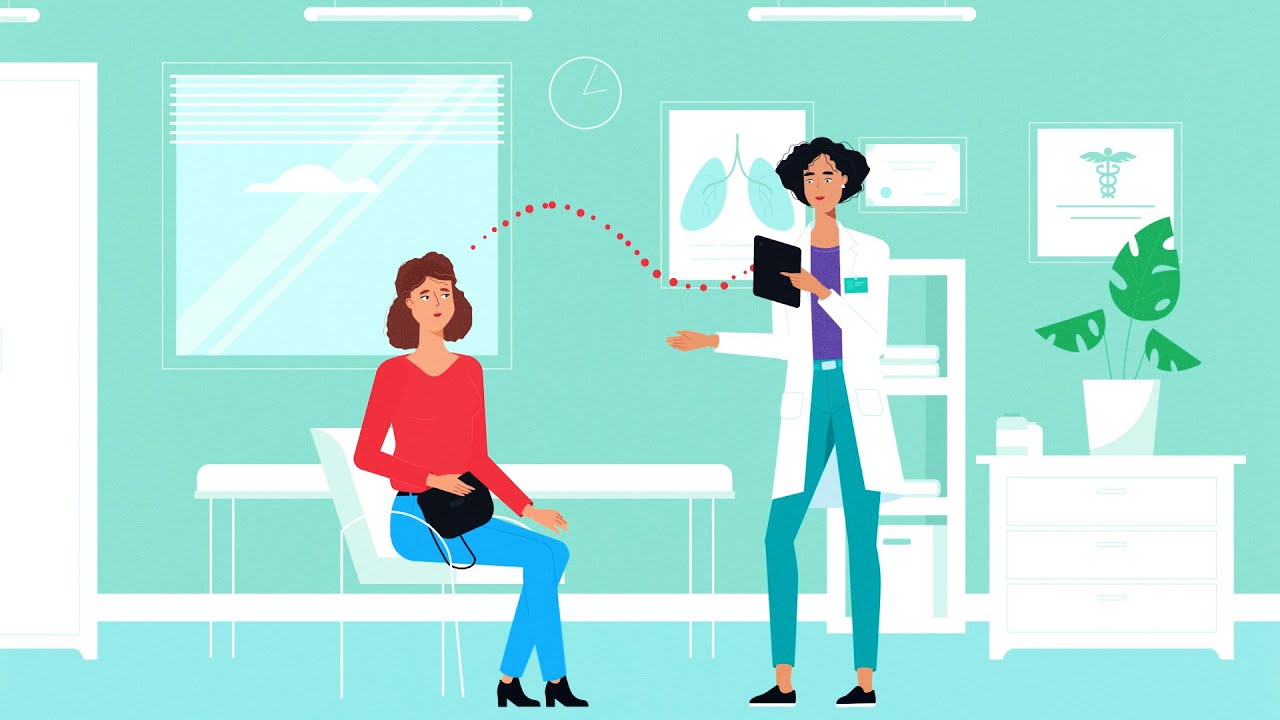
Enter animated video training: a transformative solution that’s revolutionizing how healthcare organizations educate doctors, nurses, technicians, administrative staff, and patients. From surgical procedure visualization to compliance training, from medical device operation to patient safety protocols, animation has become the healthcare training industry’s most powerful tool.
This comprehensive guide explores how leading healthcare companies leverage animated videos for training, examining real-world applications, measurable benefits, implementation strategies, and future trends shaping medical education.
Why Healthcare Companies Are Choosing Animation Over Traditional Training
The Healthcare Training Crisis
Healthcare organizations face unprecedented training pressures in 2025:
Volume Challenge: The U.S. healthcare system employs 22 million workers, with 4.1 million new hires annually requiring comprehensive training.
Complexity Escalation: Medical knowledge doubles every 73 days, making continuous education mandatory rather than optional.
Shortage Pressures: Nursing shortage (estimated 200,000-450,000 shortage by 2025) means less time for senior staff to train newcomers.
Regulatory Burden: Joint Commission, OSHA, HIPAA, and state regulations require documented training with proof of competency.
Cost Constraints: Average cost per employee for instructor-led healthcare training: $1,800-$3,200 annually per person.
Geographic Distribution: Multi-site hospital systems and distributed home health agencies need standardized training across locations.
Why Animation Solves These Challenges
Visual Learning Superiority
Medical education inherently requires visual understanding—anatomy, procedures, equipment operation, and patient interactions are fundamentally visual concepts. Studies show:
–>65% of people are visual learners
–>Retention rates: 10% from reading, 20% from hearing, 80% from seeing and doing
–>Animated medical training achieves 75-83% information retention vs 10-20% for text-based training
Complexity Simplification
Animation can visualize the invisible:
–>Cellular and molecular processes (drug mechanisms, disease progression)
–>Internal organ function and surgical anatomy
–>Microscopic pathogens and immune responses
–>Equipment internal mechanisms and safety features
Standardization at Scale
Once created, animated training delivers identical content to unlimited learners across:
–>Multiple hospital campuses
–>Different shifts (day, night, weekend)
–>Rural and urban locations
–>Different time zones
–>Various learning paces (pausable, replayable)
Cost Efficiency
Initial investment in animated training content pays dividends:
–>One-time production cost: $15,000-$75,000 per module
–>Can train thousands of employees repeatedly
–>No instructor travel costs or facility rental
–>No productivity loss from pulling staff for training delivery
–>Updates cost 10-30% of original production
Engagement and Completion
Healthcare workers overwhelmed with responsibilities respond better to engaging content:
–>Average completion rate for animated training: 82%
–>Average completion rate for text-based training: 43%
–>Time-to-completion 30-40% faster with animation
–>Higher quiz scores and competency demonstration
Risk-Free Practice
Animation allows learners to:
–>Practice high-risk procedures without patient danger
–>Make mistakes and learn from them safely
–>Repeat scenarios until mastery
–>Experience rare emergencies they might never encounter in real practice
Core Applications: How Healthcare Organizations Use Animated Training
1. Clinical Skills and Procedure Training
Nursing Procedures
Healthcare systems use animation to train nurses on essential clinical skills:
IV Insertion and Management
–>Step-by-step catheter placement visualization
–>Vein anatomy and selection criteria
–>Complication identification and management
–>Infection prevention protocols
–>Alternative access methods for difficult patients
Wound Care and Dressing Changes
–>Assessment of wound types and severity
–>Appropriate dressing selection
–>Sterile technique demonstration
–>Documentation requirements
–>Signs of infection or complications
Medication Administration
–>Five rights verification process
–>Route-specific techniques (IM, SubQ, IV push, IV piggyback)
–>High-alert medication protocols
–>Double-check procedures
–>Adverse reaction recognition
Patient Assessment
–>Head-to-toe assessment sequence
–>Vital sign measurement techniques
–>Neurological assessment scales
–>Pain assessment tools
–>Documentation best practices
Real Example: Cleveland Clinic developed a 12-module animated nursing fundamentals series covering common procedures. Results:
–>New nurse orientation time reduced from 8 weeks to 5 weeks
–>Skills competency check pass rate increased from 73% to 94%
–>Preceptor time requirement decreased by 40%
–>First-year nurse retention improved by 18%
–>Training cost per nurse reduced from $4,200 to $1,600
Surgical Technique Training
Animation enhances surgical education through:
Anatomical Visualization
–>3D anatomy from multiple angles impossible in cadaver labs
–>Layer-by-layer tissue dissection demonstration
–>Variation in anatomy between patients
–>Critical structures to avoid
–>Optimal surgical approach pathways
Procedural Steps
–>Complete procedure from incision to closure
–>Critical decision points and alternatives
–>Instrument selection and usage
–>Suturing and closure techniques
–>Common complications and management
Minimally Invasive Procedures
–>Laparoscopic camera navigation
–>Trocar placement strategies
–>Instrument manipulation techniques
–>Spatial orientation and depth perception
–>Troubleshooting technical difficulties
Device and Equipment Operation
–>Robotic surgery system operation (da Vinci, etc.)
–>Energy device usage (cautery, ultrasonic, bipolar)
–>Imaging equipment operation (C-arm, ultrasound)
–>Specialty equipment setup and calibration
Real Example: Johns Hopkins Department of Surgery created animated modules for 23 common surgical procedures. Results:
–>Resident operative time reduced by 22% after animation training
–>Complication rates for early-career surgeons decreased 31%
–>Faculty teaching time reduced by 35%
–>Resident confidence scores increased 47%
2. Medical Device and Equipment Training
Healthcare technology increasingly complex requires comprehensive training:
Diagnostic Equipment
Ultrasound and Imaging
–>Machine setup and calibration
–>Probe selection and positioning
–>Image optimization techniques
–>Anatomy identification
–>Pathology recognition
–>Safety protocols and maintenance
Laboratory Equipment
–>Automated analyzer operation
–>Sample processing workflows
–>Quality control procedures
–>Troubleshooting common errors
–>Maintenance and calibration
–>Result interpretation
Therapeutic Devices
Infusion Pumps
–>Programming and setup
–>Multiple infusion management
–>Alarm interpretation and response
–>Drug library utilization
–>Safety features and override protocols
–>Troubleshooting and error prevention
Ventilators and Respiratory Equipment
–>Ventilator mode selection
–>Parameter setting and adjustment
–>Alarm management
–>Patient-ventilator synchrony
–>Weaning protocols
–>Emergency backup procedures
Cardiac Monitors and Defibrillators
–>Lead placement and troubleshooting
–>Rhythm interpretation
–>Alarm threshold setting
–>Defibrillation and cardioversion procedures
–>Pacemaker function verification
–>Documentation requirements
Real Example: Mayo Clinic Health System created animated training for 47 different medical devices used across their hospitals. Results:
–>Equipment-related errors decreased by 64%
–>Time-to-competency reduced by 51%
–>Device utilization increased 28% (staff more confident using equipment)
–>Equipment damage from misuse reduced 73%
–>Annual training cost reduced from $1.8M to $680,000
3. Patient Safety and Quality Improvement
Animation effectively communicates critical safety concepts:
Infection Prevention and Control
Hand Hygiene
–>WHO five moments for hand hygiene
–>Proper handwashing technique (duration, coverage, drying)
–>Hand sanitizer appropriate use
–>Glove usage and limitations
–>Jewelry and artificial nail policies
Isolation Precautions
–>Standard, contact, droplet, and airborne precautions
–>PPE donning and doffing sequence
–>Patient placement and transport
–>Visitor restrictions and education
–>Environmental cleaning requirements
Central Line and Catheter Care
–>Insertion bundle compliance
–>Daily necessity assessment
–>Dressing changes and site assessment
–>Blood culture collection techniques
–>Prevention of catheter-associated infections
Medication Safety
High-Alert Medications
–>Independent double-check procedures
–>Smart pump utilization
–>Look-alike, sound-alike drug differentiation
–>Concentrated electrolyte handling
–>Barcode scanning compliance
Medication Reconciliation
–>Admission medication history
–>Transfer communication
–>Discharge instructions
–>Allergy verification
–>Patient education documentation
Fall Prevention
Risk Assessment
–>Fall risk screening tools
–>Environmental hazard identification
–>Patient-specific risk factors
–>Post-fall assessment and documentation
Prevention Strategies
–>Bed and chair alarm usage
–>Mobility assistance techniques
–>Hourly rounding implementation
–>Toileting assistance protocols
–>Family education and engagement
Real Example: Kaiser Permanente developed animated patient safety training modules covering infection prevention, medication safety, and fall prevention. Results:
–>Hospital-acquired infection rates decreased 42%
–>Medication errors reduced 56%
–>Patient falls declined 38%
–>Staff safety competency scores increased from 71% to 94%
–>Reduced their Joint Commission safety violations by 67%
4. Compliance and Regulatory Training
HIPAA Privacy and Security
Animation makes dry compliance topics engaging:
Protected Health Information (PHI)
–>Definition and examples of PHI
–>Minimum necessary standard
–>Permissible uses and disclosures
–>Patient rights (access, amendment, accounting)
–>Breach notification requirements
Security Safeguards
–>Physical security (workstation, device, facility)
–>Technical security (passwords, encryption, access controls)
–>Administrative security (policies, training, incident response)
–>Mobile device and remote access security
–>Social media and email guidelines
OSHA Workplace Safety
Bloodborne Pathogens
–>Exposure risks and transmission routes
–>Engineering controls (sharps containers, safety devices)
–>Work practice controls (no recapping, proper disposal)
–>PPE selection and usage
–>Exposure incident response and reporting
Hazard Communication
–>GHS labeling and SDS interpretation
–>Chemical hazard categories
–>Proper storage and handling
–>Spill response procedures
–>Reproductive hazards
Emergency Preparedness
–>Fire safety and evacuation
–>Active shooter response
–>Disaster triage and mass casualty
–>Bomb threats and suspicious packages
–>Utility failure response
Real Example: HCA Healthcare created animated compliance training for 94,000 employees across 182 hospitals. Results:
–>Training completion rate increased from 76% to 98%
–>Time-to-completion reduced 44%
–>Compliance violation incidents decreased 51%
–>Audit readiness scores improved from 82% to 97%
–>Training administration costs reduced by $2.4M annually
5. Patient Education and Engagement
Healthcare companies create animated content to educate patients:
Pre-Operative Education
Procedure Explanation
–>What will happen during surgery
–>Anesthesia options and risks
–>Expected duration and recovery
–>Post-operative restrictions and expectations
–>Warning signs requiring medical attention
Preparation Instructions
–>Pre-operative testing requirements
–>Fasting and medication guidelines
–>What to bring and wear
–>Arrival time and check-in process
–>Post-operative care arrangements
Disease Management Education
Chronic Condition Self-Management
–>Diabetes blood sugar monitoring and insulin administration
–>Heart failure symptom recognition and daily weights
–>Asthma inhaler technique and action plans
–>Hypertension lifestyle modifications
–>COPD energy conservation techniques
Medication Adherence
–>Why medications are important
–>How medications work (mechanism of action)
–>Proper administration technique
–>Side effects to expect vs report
–>Refill reminders and cost assistance
Rehabilitation and Recovery
Physical Therapy Exercises
–>Proper exercise form and technique
–>Frequency and duration guidelines
–>Progression milestones
–>Warning signs to stop exercise
–>Home safety modifications
Real Example: Intermountain Healthcare created animated patient education library with 340 topics. Results:
–>Patient comprehension scores increased from 58% to 89%
–>Hospital readmission rates decreased 23%
–>Patient satisfaction (HCAHPS) scores improved 17 points
–>Call volume to nurse triage lines reduced 31%
–>Patient engagement platform usage increased 284%
6. Emergency Response and Crisis Training
Code Response Procedures
Code Blue (Cardiac Arrest)
–>Recognition of cardiac arrest
–>Calling for help and activating response team
–>High-quality CPR technique
–>AED/defibrillator usage
–>Team roles and responsibilities (compressor, airway, medications, recorder)
–>Post-resuscitation care
Code Stroke and STEMI
–>Symptom recognition and assessment tools
–>Time-sensitive treatment protocols
–>Lab and imaging priorities
–>Notification procedures
–>Interdisciplinary team coordination
Disaster Preparedness
Mass Casualty Incidents
–>Triage systems (START, JumpSTART)
–>Surge capacity activation
–>Decontamination procedures
–>Resource allocation principles
–>Family reunification protocols
Real Example: Massachusetts General Hospital created animated emergency response training. Results:
–>Code blue response time improved from 3.8 minutes to 2.1 minutes
–>First-shock-delivered time reduced 47%
–>Team communication errors decreased 68%
–>Staff confidence in emergency situations increased from 64% to 92%
Measuring ROI: The Business Case for Animated Training
Healthcare executives need data-driven justification for training investments:
Cost Comparison Analysis
Traditional Instructor-Led Training Costs (per 100 employees):
–>Instructor time (preparation and delivery): $18,000
–>Employee time away from patient care: $32,000
–>Facility and equipment: $4,500
–>Materials and handouts: $1,200
–>Travel (multi-site organizations): $8,400
–>Total: $64,100 for single training delivery
–>Cost per employee: $641
Animated Video Training Costs:
–>Initial content development: $25,000-$50,000 (one-time)
–>Learning management system: $3,000-$8,000 annually
–>Updates and revisions: $3,000-$7,500 annually
–>First-year cost per 100 employees: $360-$590
–>Subsequent years cost per employee: $0.60-$1.55
Break-Even Analysis: For a 500-employee hospital system:
–>Traditional training: $320,500 per training topic
–>Animated training: $45,000 first year, $7,750 subsequent years
–>Break-even: Immediate for first year, 86% cost reduction thereafter
–>5-year savings: $1.55M per training topic
Performance Impact Metrics
Faster Time-to-Competency
–>New hire onboarding: 30-40% reduction in time
–>Specialty certification prep: 35-50% faster
–>Device/equipment training: 40-60% faster mastery
–>ROI: Faster productivity = earlier revenue generation per FTE
Improved Patient Outcomes
–>Reduced medical errors: 25-45% improvement
–>Decreased hospital-acquired infections: 30-50% reduction
–>Lower readmission rates: 15-28% improvement
–>ROI: Avoided penalties, improved reimbursement, reduced litigation
Enhanced Employee Retention
–>First-year turnover reduction: 12-22%
–>Replacement cost per RN: $40,000-$64,000
–>1,000-bed hospital annual savings: $1.2M-$4.8M
–>ROI: Dramatic reduction in turnover costs
Operational Efficiency
–>Reduced training coordination time: 60-75%
–>Decreased preceptor burden: 35-50%
–>Eliminated scheduling conflicts: 100%
–>ROI: Improved staff satisfaction and resource utilization
Implementation Strategy: How to Launch Animated Training
Step 1: Needs Assessment (2-4 Weeks)
Identify High-Priority Training Needs:
–>Compliance requirements with frequent violations
–>High-cost, high-volume procedures requiring standardization
–>Safety issues with incident trends
–>New equipment or technology rollouts
–>Difficult-to-schedule training topics
Analyze Current Training Gaps:
–>Topics with low competency scores
–>Areas with high employee questions or confusion
–>Procedures with inconsistent performance
–>Regulatory citations or audit findings
Survey Stakeholders:
–>What training do learners find most confusing?
–>What topics do educators struggle to teach effectively?
–>What causes the most on-the-job errors?
–>What training takes the most time to deliver?
Step 2: Content Development (6-12 Weeks)
Partner Selection: Choosing the right animation studio is critical:
Essential Criteria:
–>Healthcare industry experience and portfolio
–>Understanding of medical terminology and accuracy requirements
–>Clinical expert review process
–>HIPAA-compliant practices for any patient imagery
–>Ability to meet accessibility standards (508 compliance)
–>Revision process and ongoing support
Content Development Process:
–>Scriptwriting (2-3 weeks): Subject matter experts draft content, ensuring medical accuracy
–>Storyboarding (1-2 weeks): Visual planning of each scene
–>Voiceover Recording (1 week): Professional narration with medical terminology expertise
–>Animation Production (3-5 weeks): Creation of visual assets and animation
–>Review and Revision (1-2 weeks): Clinical expert review and refinements
–>Assessment Development (1 week): Quiz questions and competency evaluation
Real Cost Example: 15-minute animated training module on central line care:
–>Scriptwriting and clinical review: $4,000
–>Voiceover and audio: $1,500
–>Animation production: $18,000
–>Assessment development: $1,000
–>Project management: $2,500
–>Total: $27,000
Step 3: LMS Integration and Launch (2-4 Weeks)
Learning Management System Setup:
–>Upload video content with SCORM packaging
–>Create completion tracking and reporting
–>Build assessment and competency verification
–>Set up automated reminders and deadlines
–>Configure mobile accessibility
Pilot Testing:
–>Select 25-50 representative users
–>Gather feedback on content clarity and engagement
–>Identify technical issues or accessibility problems
–>Measure completion rates and time requirements
–>Refine based on pilot results
Full Rollout:
–>Communication campaign explaining new training format
–>Leadership endorsement and participation
–>Scheduled completion windows with reminders
–>Help desk support for technical questions
–>Real-time monitoring of completion rates
Step 4: Measurement and Optimization (Ongoing)
Track Key Metrics:
–>Completion rates by department and role
–>Time-to-completion average
–>Assessment scores and competency achievement
–>User satisfaction ratings
–>Technical issues or support requests
Analyze Performance Impact:
–>Pre/post-training competency comparisons
–>Incident rates related to training topics
–>Audit and compliance results
–>Employee feedback and confidence levels
Continuous Improvement:
–>Annual content review and updates
–>Incorporation of new evidence or guidelines
–>Technology upgrades (e.g., VR integration)
–>Expansion to additional training topics
–>Sharing best practices across organization
Future Trends: The Evolution of Healthcare Animation Training
Virtual Reality (VR) Integration
Immersive training taking animation to the next level:
–>Surgical procedure practice in realistic 3D environments
–>Emergency code simulations with virtual patients
–>Equipment operation with haptic feedback
–>Team communication and collaboration training
Current Adoption: 23% of large healthcare systems (500+ beds) have VR training programs Projected 2028 Adoption: 67% of healthcare organizations
Cost: $50,000-$250,000 for VR training program setup
Artificial Intelligence Personalization
AI customizing training to individual learners:
–>Adaptive difficulty based on learner performance
–>Personalized remediation for weak areas
–>Learning path optimization
–>Predictive analytics identifying at-risk learners
Example: AI analyzes that a learner struggles with medication calculation questions and automatically assigns additional practice modules before allowing progression.
Microlearning and Just-in-Time Training
Shift from long training sessions to bite-sized modules:
–>3-5 minute animated videos on specific tasks
–>Accessible at point of need (QR codes on equipment)
–>Just-before-procedure refresher content
–>Mobile-optimized for quick reference
Effectiveness: 18% higher knowledge retention with microlearning vs traditional 30-60 minute modules
Multilingual and Accessibility Expansion
Healthcare workforce diversity requiring inclusive content:
–>Automated translation and localized voiceovers
–>Closed captioning and audio descriptions
–>Adjustable playback speeds
–>High-contrast and colorblind-friendly design
Reality: 22% of U.S. healthcare workers speak English as second language
Conclusion: Animation as Healthcare Training Standard
Animated video training has evolved from nice-to-have supplementary content to mission-critical infrastructure for healthcare education. The evidence is overwhelming:
Quality Improvement:
–>75-83% information retention vs 10-20% for text
–>25-45% reduction in medical errors after animation training
–>30-50% decrease in hospital-acquired infections
Cost Efficiency:
–>60-86% cost reduction vs instructor-led training
–>$1.2M-$4.8M annual turnover cost savings (1,000-bed hospital)
–>30-40% faster time-to-competency
Scalability:
–>Unlimited learners trained with identical content
–>24/7 availability across all locations
–>No scheduling constraints or instructor dependencies
Engagement:
–>82% completion rate vs 43% for text-based training
–>47% increase in learner confidence
–>35% reduction in training administration burden
Healthcare organizations that embrace animated training position themselves for:
–>Superior patient outcomes through better-trained staff
–>Regulatory compliance with documented competency
–>Financial efficiency through reduced training costs
–>Competitive advantage in recruiting and retention
–>Operational excellence through standardized practices
The question is no longer whether to invest in animated training, but how quickly your organization can implement this proven, cost-effective solution for healthcare education excellence.
Partner with Healthcare Animation Experts
Chasing Illusions Studio specializes in medical and healthcare animation with 15+ years of experience creating training content for hospitals, health systems, pharmaceutical companies, and medical device manufacturers.
Our healthcare training animation services include:
–>Clinical procedure and skills training
–>Medical device operation and safety
–>Patient safety and compliance education
–>Patient education and engagement
–>Surgical technique visualization
–>Emergency response and code training
With 80+ skilled medical animators and subject matter expert review processes, we ensure clinical accuracy, regulatory compliance, and measurable training effectiveness.
Ready to transform your healthcare training?
Contact Chasing Illusions Studio for a free consultation and discover how animated training can improve patient outcomes while reducing costs.