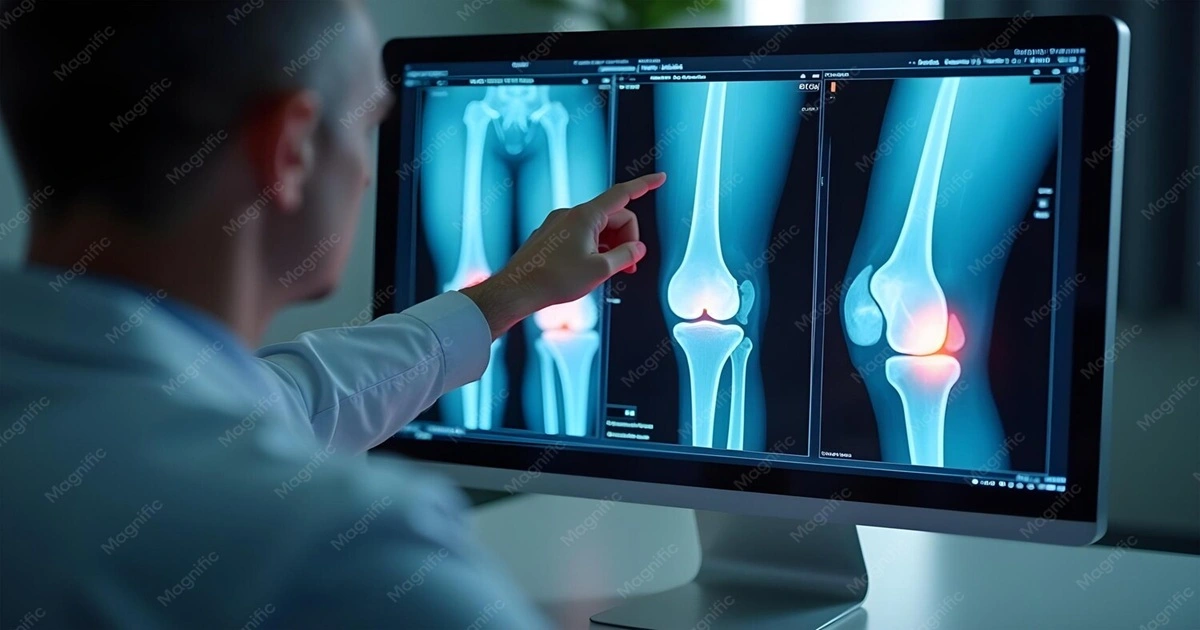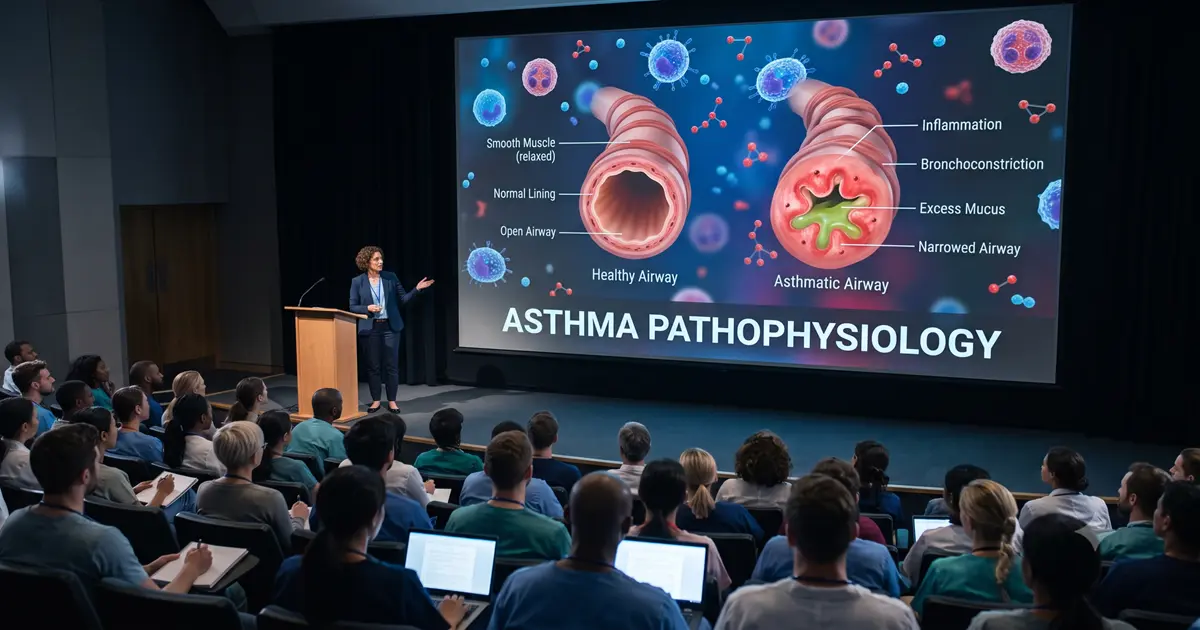
Medical animation is one of the most specialized areas of 3D visualization — and choosing among medical animation companies in the USA means weighing accuracy and domain expertise as much as visual quality. It turns complex biological processes, medical devices, surgical procedures, and mechanisms of action into clear, accurate visuals — for training, marketing, patient education, investor communication, and regulatory or conference use. But it's also an area where accuracy matters more than almost anywhere else, which makes choosing the right studio genuinely important.
This guide covers what medical animation is used for, what makes it different from general 3D animation, how to evaluate a studio, and what to prepare before commissioning a project — written to help you make an informed choice.
What medical animation is used for
Medical and healthcare organizations use animation across several distinct purposes:
Mechanism of action (MOA) — showing how a drug or therapy works in the body, common in pharmaceutical marketing and medical education
Medical device visualization — demonstrating how a device works, is implanted, or is used, for marketing, training, and sales
Surgical and procedural animation — illustrating a procedure step by step, for training clinicians or informing patients
Patient education — explaining a condition or treatment in accessible terms
Investor and conference presentations — communicating a complex technology clearly to non-specialist audiences
Regulatory and training content — supporting submissions, onboarding, and continuing education
The common thread is making something complex and otherwise invisible understandable — which is exactly what animation does well, as long as the underlying science is accurate.
What makes medical animation different
Medical animation isn't general 3D animation applied to a medical subject. A few things set it apart, and they're worth understanding because they affect who you should hire:
Scientific accuracy is essential. A stylized product render that's slightly off is a cosmetic issue; a medical animation that misrepresents anatomy, a mechanism, or a procedure can mislead its audience. Depending on its intended use, the content may also require clinical, scientific, or regulatory review. Medical animation demands scientific accuracy on top of visual skill, usually with subject-matter or clinical review built into the process.
It requires domain knowledge. Animating a cardiac procedure or a drug's mechanism of action requires understanding the underlying biology, not just the software. Studios that do this well typically have staff with life-sciences backgrounds or established clinical-review workflows.
Regulatory awareness matters. Pharmaceutical and medical-device content is often subject to regulatory and compliance requirements around claims and representation. A studio working in this space should understand that content may need to align with those requirements — and shouldn't overstate what a device or therapy does.
Because of this, a studio that's excellent at product or architectural animation isn't automatically equipped for medical work. Domain expertise is the key differentiator.
How to choose a medical animation studio
Scientific accuracy and review process. Ask how the studio ensures accuracy — do they work from your source material, involve subject-matter experts, and build in review stages? A clear accuracy process is one of the most important things to look for.
Relevant, category-matched portfolio. Ask specifically for medical work close to your subject — device, surgical, MOA, or patient education. General 3D skill doesn't guarantee medical competence; look for demonstrated medical projects.
Domain understanding. In early conversations, does the studio understand your subject, or are they treating it like any other animation job? Genuine domain understanding shows quickly.
Handling of source material and confidentiality. Medical projects often involve unreleased device designs, proprietary data, or pre-approval drug information. Confirm how the studio handles NDAs and sensitive material.
Clear scope and revision process. As with any animation, confirm what's included, how many revision rounds, and how accuracy corrections (which are common and important in medical work) are handled.
Medical animation studios in the USA
There are several established studios specializing in medical and scientific animation in the US market. Well-known names in the space include Nucleus Medical Media, Ghost Productions, Random42, INVIVO Communications, Trinsic Animation, and Infuse Medical, among others.
We haven't assigned ratings, prices, or rankings to these studios — those change over time and should be verified directly rather than taken from any single "best" list. We'd encourage you to review each studio's current portfolio and verified reviews on Clutch or Google yourself, and to request medical-specific, category-matched samples before deciding. The right studio depends on your specific subject (device vs surgical vs MOA), your timeline, and your budget — not on a ranking.
Medical animation studios at a glance
The table below lists studios active in US medical/scientific animation, with their strengths as publicly profiled and what each is best suited to. It is not a ranking — there are no ratings or rank numbers, and descriptions reflect each studio's own public positioning. Verify current capabilities and reviews directly.
Studio | Type | Strength (as publicly profiled) | Best for |
|---|---|---|---|
Chasing Illusions Studio | 3D animation & visualization studio | Medical, scientific, product, and industrial 3D animation, with built-in accuracy review | Device, procedural, and educational medical animation alongside broader 3D work |
Nucleus Medical Media | Medical animation & illustration studio | Medical-legal, educational, and marketing medical visuals | Medical-legal and patient-education visuals |
Ghost Productions | Medical animation & device studio | Surgical and medical device animation | Device and surgical procedure animation |
Random42 | Scientific animation studio | Mechanism-of-action and scientific/pharma visualization | MOA and pharma/scientific communication |
INVIVO Communications | Medical communications & animation | Interactive and animated medical content | Pharma and interactive medical experiences |
Trinsic Animation | Medical device & surgical animation | Device and surgical procedure visualization | Medical device marketing and training |
Infuse Medical | Medical animation & interactive studio | Device animation, VR/AR, and interactive medical content | Device marketing with interactive/immersive needs |
Disclosure: Chasing Illusions Studio published this guide and is listed above. Descriptions reflect each studio's own public positioning; we have not assigned ratings or rankings. For current, verified ratings and reviews, check Clutch or Google directly.
What to prepare before commissioning
The accuracy and efficiency of a medical animation depends heavily on the source material you provide:
Scientific source material — study data, mechanism details, device specifications, CAD files, surgical protocols, or published references, as complete as possible
The intended audience — clinicians, patients, investors, or regulators each need a different level of detail and different framing
Accuracy requirements — flag any claims that must align with regulatory or compliance standards upfront
Reference visuals — existing animations or styles you find effective
Review stakeholders — identify who on your side (medical, regulatory, marketing) needs to review and approve, since medical projects usually need more review stages than other animation work
For a fuller framework on preparing any animation brief, see how to brief a 3D animation studio.
What medical animation costs in the US
Custom medical animation pricing depends on scientific complexity, animation style, finished duration, modelling requirements, and the level of medical review involved. Publicly listed prices vary by studio: Nucleus Medical Media publishes rates of around $12,000–$28,000 per finished minute for narrated animation, while Medmovie lists custom 3D medical animation at roughly $260–$360 per second. North Animation's 2026 guide lists higher ranges for some complex cinematic scientific projects.
These figures are examples of publicly advertised studio pricing, not a universal industry average. A straightforward medical device demonstration and a detailed molecular mechanism-of-action animation can require very different levels of research, modelling, animation, and review.
For an accurate budget, request a scoped quote that specifies the finished duration, scientific references, modelling requirements, review stages, revisions, and delivery formats.
Pricing examples reflect publicly advertised rates from Nucleus Medical Media, Medmovie, and North Animation (2026); verify current rates directly, as they vary by studio and project.
For general animation cost context, see how much 3D renderings cost.
Working with Chasing Illusions Studio
Chasing Illusions Studio produces medical and scientific animation alongside our broader 3D animation and visualization work, for device, procedural, educational, and marketing purposes. We work from your scientific source material and build in review so the content is accurate for its audience and purpose, and we're happy to show relevant, category-matched samples on request. For medical work especially, we'd rather demonstrate real capability than lead with headline claims.
To discuss a medical animation project, see our medical animation service, view our portfolio on Behance, or get in touch for a scoped quote.
Frequently Asked Questions
What is medical animation used for?
Explaining mechanisms of action, visualizing medical devices, illustrating surgical procedures, educating patients, and communicating complex science to investors or regulators. The goal is making something complex and invisible clear and accurate.
How is medical animation different from regular 3D animation?
It requires scientific accuracy and domain knowledge on top of visual skill, usually with subject-matter review built in. A studio strong in product or architectural animation isn't automatically equipped for medical work.
How do I choose a medical animation studio?
Prioritize a clear accuracy/review process, a category-matched medical portfolio, genuine domain understanding, and solid confidentiality handling. Verify any studio's current reviews and portfolio directly rather than relying on a ranking.
How much does medical animation cost in the US?
Published studio rates vary: Nucleus Medical Media lists around $12,000–$28,000 per finished minute, and Medmovie around $260–$360 per second, with higher ranges for complex cinematic work. These are examples of advertised pricing, not a universal average — cost depends on complexity, modelling, medical review, and revisions, so get a scoped quote for your project.
What should I provide to start a project?
Scientific source material (data, specs, protocols, CAD, references), your target audience, any regulatory/accuracy requirements, reference visuals, and the stakeholders who need to review and approve.
Do you handle confidential or pre-approval material?
Medical animation projects may involve unreleased device designs, proprietary data, or pre-approval information. Before sharing sensitive material, confirm the studio's NDA process, file-access controls, storage practices, and any relevant contractual requirements.
Chasing Illusions Studio
Premium animation & video production studio based in Delhi, India. Specialising in 3D animation, medical visualisation, architectural walkthroughs, and CGI.