
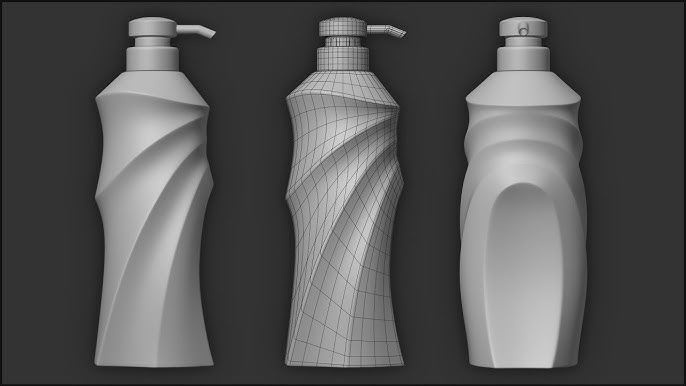
3D Product Rendering vs Traditional Photography: The Ultimate Comparison Guide
In today’s digital marketplace, product visuals make or break sales. A single image determines whether a potential customer clicks “add to cart” or scrolls past to your competitor. Yet businesses face a critical decision that impacts their bottom line: should you invest in traditional product photography or embrace 3D product rendering?
This comprehensive comparison examines both approaches through the lens of what truly matters to your business: cost efficiency, scalability, quality, flexibility, and ultimately, return on investment. Whether you’re launching a new e-commerce brand, managing an established product catalog, or evaluating ways to reduce marketing costs, this guide provides the data-driven insights you need to make the right choice.
[web_stories title=”true” excerpt=”false” author=”false” date=”false” archive_link=”true” archive_link_label=”All Web Stories” circle_size=”150″ sharp_corners=”true” image_alignment=”left” number_of_columns=”1″ number_of_stories=”8″ order=”DESC” orderby=”post_title” view=”carousel” /]
Understanding the Two Approaches
Before diving into comparisons, let’s establish what we’re evaluating.
Traditional Product Photography
Traditional product photography involves physically creating, styling, and photographing actual products or prototypes. This time-tested method requires photographers, studio space, lighting equipment, props, and post-production editing to create the final marketing images. For decades, photography has been the default choice for product visualization, offering an authentic representation of physical goods.

The process typically involves manufacturing or prototyping products, shipping them to photography locations, setting up physical scenes with appropriate lighting and backgrounds, conducting the photoshoot, and then editing images in post-production. Each step requires coordination, time, and budget allocation.
3D Product Rendering
Three-dimensional product rendering creates photorealistic images entirely within digital environments. Skilled artists build virtual models of products using specialized software, then apply materials, lighting, and backgrounds to generate images that are often indistinguishable from photographs. Once digital models exist, they can be reused indefinitely with modifications taking minutes rather than requiring entirely new photoshoots.
The workflow involves creating digital models from specifications or CAD files, applying realistic materials and textures, setting up virtual lighting and environments, rendering the final images, and making adjustments through simple file updates rather than physical reshoots.
The Financial Reality: Cost Comparison Breakdown
Cost considerations often drive the photography versus rendering decision. However, the financial picture is more nuanced than simple price comparisons suggest.
Initial Investment Analysis
Traditional photography appears more accessible initially. A basic product photoshoot setup requires a camera, basic lighting, and a simple backdrop—equipment investments totaling a few thousand dollars for in-house capabilities, or photographer fees ranging from several hundred to several thousand dollars per shoot for professional services.
Three-dimensional rendering demands higher upfront investment. Professional rendering requires specialized software licenses, powerful computer hardware capable of handling intensive calculations, and skilled artists who command premium rates. For businesses outsourcing rendering services, initial model creation represents the primary cost, with pricing varying based on product complexity.
However, this initial cost comparison tells only part of the story. The true financial impact emerges over time as products evolve and marketing needs expand.
Long-Term Cost Dynamics
Traditional photography costs accumulate with each new requirement. Every product variation, color option, or design update necessitates new photoshoots. Adding lifestyle scenes with different backgrounds requires additional studio time, prop acquisition, and styling work. A furniture company with 20 products requiring four angles each, plus two lifestyle shots and one video per product, faces costs around 140,000 dollars for traditional photography according to industry research, with delivery timelines extending 15-20 weeks.
In contrast, 3D rendering demonstrates remarkable cost efficiency over time. Once digital models exist, creating variations becomes trivial—changing colors, materials, or finishes takes hours rather than days. The same 20-product scenario costs approximately 14,000 dollars through rendering services, delivered in under four weeks. This represents a savings of roughly ninety percent in costs and eighty percent in time compared to photography.
The mathematical advantage compounds as product catalogs grow. A brand with 100 products releasing seasonal updates, color variations, and marketing campaigns throughout the year might spend 500,000 dollars or more annually on photography. The equivalent rendering program typically costs 100,000 to 150,000 dollars, delivering far more variations and creative flexibility.
Hidden Costs Often Overlooked
Photography involves numerous indirect expenses that inflate actual costs beyond quoted rates. Physical product samples or prototypes must be manufactured specifically for photography, particularly for pre-launch marketing. Shipping products to photography locations and managing logistics adds costs and complexity. Studio rental fees, equipment maintenance, and insurance represent ongoing overhead. Props, backgrounds, and styling elements require purchase or rental. Weather delays, location unavailability, and scheduling conflicts cause expensive timeline extensions.
Rendering largely eliminates these hidden costs. No physical samples are needed since products can be visualized before manufacturing. Digital workflows eliminate shipping, storage, and logistics expenses. Virtual environments require no props, location scouting, or weather contingencies. Revisions happen within the digital file without reshooting entire scenes.
ROI Perspective
Return on investment provides the ultimate financial measure. Rendering typically delivers superior ROI for businesses with diverse product lines, frequent updates, or complex visualization needs. The ability to create unlimited variations from existing models means marketing teams can test concepts, generate seasonal content, and respond to market trends without budget constraints limiting creativity.
Photography may offer better ROI for businesses with very small, stable product catalogs where visual variety is unnecessary, and the authentic feel of traditional photography aligns with brand positioning. Luxury goods, food products, and items where tactile qualities drive purchase decisions sometimes benefit from photography’s genuine representation of physical reality.
Quality and Realism: Visual Comparison
Quality concerns often surface when businesses consider rendering. Can digital images truly match photographic realism? The answer depends on execution quality and specific requirements.
Photorealism Capabilities
Modern rendering technology achieves photorealism that experts struggle to distinguish from photographs. Advanced rendering engines accurately simulate light behavior, material properties, and environmental interactions. Physically-based rendering techniques replicate how surfaces absorb, reflect, and transmit light. High-resolution textures capture minute surface details down to microscopic imperfections.
Professional rendering studios now routinely produce images indistinguishable from photography. Materials like polished metal, glass, fabric, wood grain, and plastics render with complete accuracy. Lighting simulations recreate natural sunlight, studio lighting setups, or atmospheric conditions with scientific precision. The technology has matured to the point where visual quality is no longer a meaningful differentiator between methods.
Where Photography Excels
Traditional photography captures authentic imperfections that add character. Real-world lighting creates subtle variations difficult to replicate digitally. Genuine textures, especially in organic materials like leather, fabric, and wood, display complexity that challenges even advanced rendering. For food photography, authentic appearance remains challenging to match digitally due to the complex interplay of freshness, texture, and appetite appeal.
Photography also offers immediate verification—what you see in-camera represents actual physical reality. This authenticity matters for certain applications where customers value knowing they’re seeing genuine product representation rather than idealized digital creation.
Where Rendering Surpasses Photography
Rendering enables visual perfection impossible to achieve physically. Every angle displays flawless lighting without shadows obscuring details. Materials appear pristine without fingerprints, dust, or minor imperfections that plague physical samples. Complex products with intricate details render at any magnification without focus limitations. Transparent and reflective surfaces—notoriously challenging to photograph—render accurately without reflection control challenges.
Rendering also enables impossible perspectives and creative approaches. Exploded views showing internal components, cutaway sections revealing construction details, and impossible camera angles that communicate product features more clearly than any physical photograph could achieve. For technical products, engineering visualizations, and educational materials, rendering’s capabilities far exceed photography’s limitations.
Consistency Across Visual Assets
Brand consistency matters enormously in professional marketing. Rendering delivers perfect consistency across unlimited images. Lighting remains identical across every shot. Color accuracy stays precise without variation from different photography sessions. Materials appear identical regardless of how many variations you create. This consistency strengthens brand identity and creates cohesive marketing materials that photography struggles to match without extensive color correction and post-production work.
Flexibility and Scalability: Operational Considerations
Beyond cost and quality, operational flexibility often determines which approach better serves business needs.
Product Variations and Customization
Modern consumers expect choices. A furniture retailer might offer products in twelve fabric colors, three wood finishes, and four metal accent options—creating 144 possible combinations per product. Photographing every combination becomes financially and logistically prohibitive.
Rendering handles variations effortlessly. Change fabric color by updating material settings—a five-minute task rather than a full photoshoot. Swap wood finishes by applying different textures to the same model. Create every possible combination for customer configurators without exponentially increasing costs. This scalability empowers businesses to offer extensive customization while maintaining complete visual coverage.
Photography requires separate shoots for each significant variation. While color corrections can modify some aspects in post-production, material changes, finish updates, or structural modifications demand new photography. For brands with diverse product lines, this limitation either restricts customer choice or forces massive photography budgets.
Speed to Market Advantages
Market timing determines success for seasonal products, trend-driven items, and competitive industries. Rendering dramatically accelerates time-to-market by enabling product visualization before manufacturing begins.
Create marketing materials months before production, allowing pre-launch campaigns that build anticipation and capture early sales. Test market response to different design options without manufacturing prototypes. Launch crowdfunding campaigns with compelling visuals of products that exist only as concepts. Secure retailer commitments by showing finished product appearance before production investment.
Photography requires finished products or expensive prototypes before images can be created. This sequential process delays marketing until manufacturing completes, potentially missing optimal launch windows or allowing competitors to establish market position first.
Environmental and Scene Flexibility
Product context matters. Furniture looks different in modern minimalist spaces versus traditional decorated rooms. Electronics appear more appealing in lifestyle contexts than sterile white backgrounds. Creating multiple environmental contexts drives purchase intent by helping customers envision products in their lives.
Rendering places products in unlimited environments at minimal cost. Create lifestyle scenes showing products in homes, offices, outdoor settings, or impossible fantasy environments that capture attention. Change backgrounds, lighting, time of day, and atmospheric conditions instantly. Test which contexts drive highest engagement without recreating physical sets.
Photography limits environmental flexibility to physically available locations. Creating multiple lifestyle scenes requires different location shoots, prop acquisition, set construction, and all associated costs. Weather-dependent outdoor photography introduces scheduling uncertainty. Complex sets require significant production budgets that limit creative experimentation.
Post-Production Modifications
Marketing needs evolve. Brand colors update. Product designs improve mid-campaign. Errors get discovered after content creation. The ability to make changes efficiently saves projects and budgets.
Rendering modifications happen within the digital source file. Update product designs by editing the model. Change backgrounds by swapping environment files. Adjust lighting by modifying virtual light sources. Fix errors without starting over. Each change takes hours or days rather than requiring completely new production.
Photography changes occur in post-production software with significant limitations. Color correction, background replacement, and minor retouching work reasonably well. Structural changes, material updates, or significant design modifications prove difficult or impossible without obvious digital manipulation or complete reshoots. Major changes typically require starting the photography process over entirely.
Use Case Analysis: When to Choose Each Approach
No universal answer exists for which method suits all businesses. Optimal choices depend on specific circumstances, priorities, and constraints.
Best Scenarios for Traditional Photography
Photography remains the superior choice for certain applications despite rendering’s advantages.
Food and beverage products benefit from photography’s authentic appetite appeal. The genuine appearance of fresh ingredients, natural textures, and real presentations creates stronger emotional connections than even excellent food rendering. Restaurants, food brands, and culinary publications typically achieve better results with traditional food photography.
Fashion and apparel photography captures fabric drape, movement, and fit on actual models better than current rendering technology. While digital fashion rendering improves rapidly, photography still delivers more convincing representation of how clothing looks and moves on real bodies. Fashion editorials, lookbooks, and high-end apparel marketing typically rely on traditional photography.
Artisanal and handcrafted products where uniqueness and character matter benefit from photography’s authentic capture of one-of-a-kind details. Hand-thrown pottery, custom leatherwork, or other crafts where imperfections add value present more convincingly through photography that celebrates genuine handmade qualities.
Small product lines with infrequent updates and limited variation needs may find photography more cost-effective. If you sell three products that rarely change, the ongoing rendering infrastructure and expertise may not justify the investment compared to occasional photography sessions.
Brands prioritizing authenticity and transparency as core values sometimes prefer photography to maintain honest visual representation. While rendering can be completely accurate, some customers value knowing they’re viewing actual products rather than digital representations.
Best Scenarios for 3D Product Rendering
Rendering delivers superior results for numerous common business scenarios.
Large product catalogs with extensive variations overwhelmingly benefit from rendering’s scalability. Furniture retailers, electronics manufacturers, automotive aftermarket suppliers, and any business offering extensive customization options achieve dramatic cost savings and operational efficiency through rendering.
Pre-production marketing for new products enables faster time-to-market and reduced risk. Launch marketing campaigns before manufacturing, secure pre-orders that validate demand before production investment, and test market response to different design options without expensive prototyping.
Technical products requiring detailed visualization of internal components, mechanical operation, or complex features communicate more effectively through rendering. Exploded views, cutaway sections, and impossible camera angles show customers exactly how products work better than photography could achieve.
Regular content needs for social media, advertising, and marketing campaigns benefit from rendering’s ability to generate unlimited variations quickly. Seasonal campaigns, promotional graphics, and constant content demands become manageable when new images take hours to create rather than requiring photoshoot planning, execution, and post-production.
Industries with rapid product iteration cycles—technology, consumer electronics, and fashion accessories—leverage rendering to keep marketing materials current without constant photography sessions as designs evolve.
Hybrid Approaches
Many sophisticated businesses employ both methods strategically. Use photography for hero images and flagship marketing where authentic representation maximizes impact, then leverage rendering for product variations, configurators, technical documentation, and high-volume content needs. This hybrid approach optimizes costs while maintaining photography’s authentic feel where it matters most.
Some companies photograph reference materials and props, then integrate these photographic elements with rendered products in post-production, combining the authenticity of real environments with the flexibility of digital products.
Technical Considerations and Requirements
Understanding technical requirements helps businesses evaluate internal capabilities versus outsourcing needs.
Photography Technical Requirements
Professional product photography demands substantial equipment investment. High-quality cameras with appropriate lenses cost thousands of dollars. Professional lighting systems including strobes, softboxes, and modifiers represent additional thousands. Backgrounds, reflectors, light meters, and various accessories add more expense. A basic professional setup requires fifteen to thirty thousand dollars minimum.
Beyond equipment, photography demands skill and expertise. Professional photographers train for years to master lighting, composition, and technical camera operation. Post-production expertise in software like Adobe Photoshop and Lightroom requires additional specialized knowledge.
Physical space requirements include storage for equipment, products, and props, plus sufficient shooting space with appropriate lighting control. Many businesses lack suitable internal space, necessitating studio rental expenses.
Rendering Technical Requirements
Three-dimensional rendering requires powerful computer hardware. High-performance processors, substantial RAM (32-64GB minimum for professional work), professional graphics cards, and fast storage systems represent significant investment—professional rendering workstations cost ten to twenty thousand dollars or more.
Specialized software, including 3D modeling applications, rendering engines, and texture creation tools requires expensive licenses. Professional suites cost thousands annually for subscription access.
Rendering expertise represents the most significant barrier. Professional 3D artists train extensively in modeling, texturing, lighting, and rendering techniques. Quality rendering demands both artistic sensibility and technical mastery—skills that take years to develop.
Outsourcing Considerations
Most businesses outsource both photography and rendering rather than developing internal capabilities. Evaluating potential partners requires understanding deliverables, timelines, revision policies, and pricing structures.
Photography vendors quote per-shoot or per-image pricing. Understand what each shoot includes—how many products, angles, variations, and deliverable formats. Clarify revision policies and turnaround times. Request portfolios showing work similar to your products.
Rendering services typically price per-image or per-model based on complexity. Initial model creation represents the primary cost; subsequent images using existing models cost significantly less. Look for services offering revision allowances within quoted prices. Evaluate portfolios for photorealistic quality matching your standards.
Making Your Decision: Evaluation Framework
Choosing between photography and rendering requires systematic evaluation of your specific circumstances.
Key Decision Factors
Product Catalog Size and Complexity: Larger catalogs with many variations favor rendering’s scalability. Small, stable product lines may suit photography better.
Update Frequency: Products frequently updated or redesigned benefit from rendering’s easy modification. Stable products without regular changes suit photography.
Budget Reality: Consider both initial investment and ongoing costs. Calculate total five-year expenses under each approach for realistic comparison.
Timeline Pressures: Need to market before manufacturing? Rendering enables pre-production visualization. Have time for sequential production-then-photography workflows? Either approach works.
Quality Standards: Require absolute photorealism? Both approaches deliver when executed professionally. Need specific authentic qualities that only physical photography captures? Photography may be necessary.
Internal Capabilities: Have or can hire rendering expertise? Consider in-house rendering. Lack technical capabilities? Outsource either approach based on other factors.
Marketing Volume: Need constant new content for social media, advertising, and campaigns? Rendering generates unlimited variations efficiently. Occasional marketing pushes? Either approach serves needs.
Cost-Benefit Analysis Template
Calculate comparative costs using your specific parameters:
Photography Five-Year Cost: (Initial equipment or average per-shoot fee) x (number of shoots per year) x 5 + (prototype costs) + (shipping and logistics) + (studio rental if applicable) x (shoots per year) x 5 + (post-production costs)
Rendering Five-Year Cost: (Initial model creation cost per product) x (number of products) + (rendering cost per image) x (estimated images per year) x 5 + (software/service costs per year) x 5
Compare totals alongside intangible benefits like flexibility, speed to market, and scalability to determine true value.
Testing Before Committing
Consider starting with small test projects before full commitment. Commission rendering for a few representative products to evaluate quality, workflow, and cost-effectiveness. Compare directly with traditional photography for the same products. This real-world comparison provides concrete data for confident decision-making.
Many businesses discover rendering works excellently for some products while photography suits others better, leading to strategic hybrid approaches optimizing each method’s strengths.
Industry Trends and Future Outlook
Understanding where product visualization technology is heading helps make future-proof decisions.
Current Industry Adoption
E-commerce leaders have embraced rendering at scale. Major retailers report significant adoption of rendering for online product catalogs, with some indicating that substantial portions of their product imagery is now rendered rather than photographed. Furniture giant IKEA generates significant revenue from products visualized through rendering before customers even see them.
The technology matured from specialized high-end applications to mainstream business tools accessible to companies of all sizes. Cloud-based rendering services democratized access by eliminating hardware investment barriers.
Emerging Technologies
Artificial intelligence is revolutionizing rendering workflows. AI-powered denoising produces clean images with fewer computational samples, dramatically reducing rendering times. Automated material generation creates realistic surfaces from reference photos. Machine learning predicts optimal lighting setups for product types.
Real-time rendering technology evolved from video games enables interactive product configurators where customers customize products and see results instantly. This interactivity drives engagement and conversion rates that static images cannot match.
Augmented reality integration allows customers to visualize products in their actual environments through smartphone cameras. This “try before you buy” capability reduces returns and increases purchase confidence. Rendered product models power these AR experiences.
Sustainability Considerations
Environmental consciousness influences visualization choices. Traditional photography requires physical sample production, shipping, studio resources, and eventually disposal—all with environmental impact. Rendering’s digital nature eliminates these physical resource demands, aligning with sustainability goals that consumers increasingly value.
Brands committed to environmental responsibility find rendering’s digital workflow more consistent with broader sustainability initiatives than photography’s physical production requirements.
Photography’s Evolution
Traditional photography adapts rather than disappears. Photographers incorporate rendering techniques, creating hybrid workflows combining photographic backgrounds with rendered products. Some specialize in capturing environmental imagery and lighting information that rendering artists use to create photorealistic integrations.
The photography industry evolves toward specialization in applications where human creativity, authentic capture, and artistic direction provide value that rendering cannot yet replicate—particularly in editorial, fashion, and experiential photography where creative vision matters more than technical representation.
Conclusion: Making the Right Choice for Your Business
The choice between 3D product rendering and traditional photography is not binary but strategic. Both approaches deliver professional results when executed well. The optimal decision depends on your specific business model, product characteristics, budget realities, and marketing objectives.
For most modern e-commerce businesses, particularly those with substantial product catalogs, frequent updates, or extensive customization options, 3D product rendering delivers superior value through cost efficiency, operational flexibility, and scalability. The initial investment pays dividends through reduced long-term costs and dramatically expanded creative capabilities.
Traditional photography maintains advantages for specific applications—food products, fashion apparel, handcrafted goods, and scenarios where authentic physical representation creates emotional connections that digital visualization cannot replicate.
Many sophisticated businesses adopt hybrid strategies, using photography where its strengths shine while leveraging rendering’s efficiency for high-volume content needs, variations, and technical visualization.
The key is systematic evaluation of your specific circumstances. Calculate actual five-year costs including all direct and indirect expenses. Consider operational flexibility and speed-to-market implications. Evaluate quality requirements and whether rendering or photography better achieves your visual standards. Factor in catalog size, update frequency, and long-term scalability needs.
As rendering technology continues advancing and costs decrease, the balance tilts increasingly toward digital visualization for most product categories. Businesses that embrace rendering strategically position themselves for efficient, flexible, cost-effective product visualization that scales with growth.
The future of product marketing is undoubtedly digital, with rendering playing an increasingly central role. The question is not whether to eventually adopt rendering, but when and how to integrate it strategically into your visual content creation workflow.
Ready to Experience the 3D Rendering Advantage?
Chasing Illusions Studio brings 12 years of rendering expertise and 80+ skilled artists to transform your product visualization strategy. We specialize in photorealistic product rendering that reduces costs, accelerates time-to-market, and empowers unlimited creative flexibility.
Get Your Free Comparison Package:
✅ Free Cost Comparison Calculator – Input your product specs and get detailed 5-year cost projections for photography vs rendering
✅ Decision-Making Checklist – Download our comprehensive evaluation framework to guide your choice
✅ Sample Rendering – See your product rendered in photorealistic 3D (limited-time offer for qualified prospects)
✅ Portfolio Access – View 100+ examples across furniture, electronics, jewelry, automotive, and consumer goods
Contact us today for a free consultation and discover how 3D product rendering can revolutionize your visual marketing while cutting costs by up to 90%.
📞 Schedule Your Free Strategy Session
📧 Download Our Complete Comparison Guide
💼 Request Custom Pricing for Your Product Line
Don’t let outdated visualization methods limit your growth. Join industry leaders who’ve already made the switch to scalable, cost-effective 3D product rendering.