Animation has become an indispensable part of modern media, driving the creation of everything from Hollywood blockbusters to educational safety videos that protect lives in workplaces, schools, and public spaces. In 2026, the global animation market is valued at $400 billion, driven by advancements in real-time and motion graphics tools (Statista). Among animators, educators, and safety professionals, a pressing question persists: Is 3D animation easier than 2D?
The answer is not straightforward, as the ease of 3D animation vs 2D animation depends on factors such as skill level, project objectives, available tools, and the specific demands of the project, such as creating a safety video animation for a construction site or a school. While 2D animation offers simplicity and artistic flexibility, 3D animation provides unparalleled realism and automation, making it a powerful choice for complex visualizations. Yet, each method presents unique challenges that shape its perceived difficulty.
This comprehensive guide delves into the 3D animation vs 2D animation debate, offering an in-depth exploration of their workflows, tools, learning curves, and applications, with a particular focus on their use in safety video animation for industries like construction, healthcare, and education. Whether you're a Chicago-based animator crafting a fire safety video or a Dubai school administrator seeking engaging training content, this guide will help you navigate the complexities of 3D animation vs 2D animation to determine which is easier for your needs in 2026.
Understanding 2D and 3D Animation
To evaluate whether 3D animation vs 2D animation is easier, it's essential to understand their fundamental characteristics and how they function in practical applications, such as safety video animation.
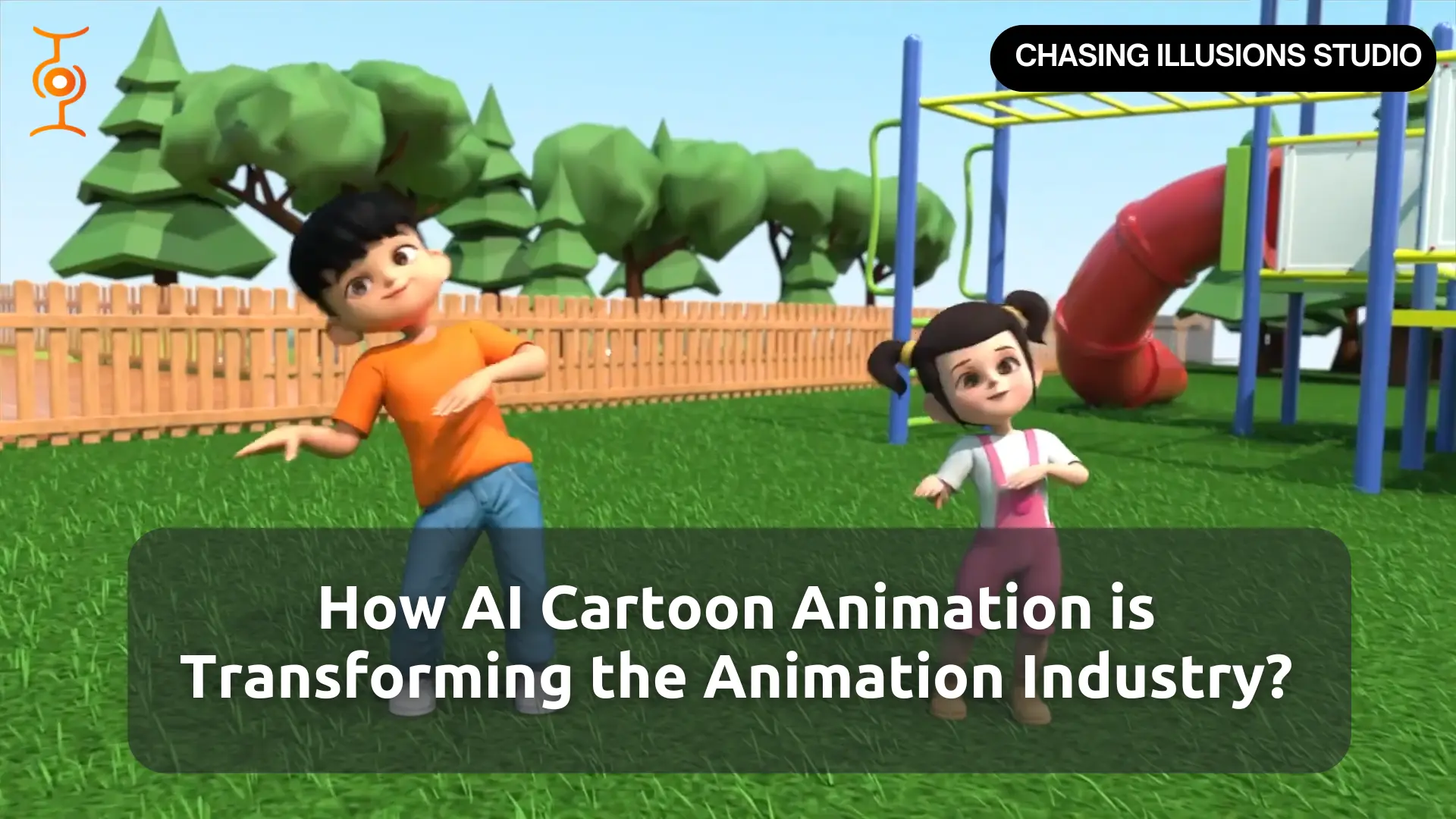
2D animation operates in a two-dimensional space, focusing on flat images, characters, and backgrounds that move along X and Y axes. This method is widely used for creating engaging, stylized content, such as cartoons, explainer videos, and educational safety videos for children. Professional 2D animation tools empower animators to craft vibrant visuals with relative ease, making 2D animation a go-to choice for projects requiring quick turnaround and accessibility.
For instance, Chasing Illusions Studio developed a 2D safety video animation for a Florida elementary school, utilizing entry-level 2D software to teach fire safety protocols. The animation engaged 800 students in just two weeks and reduced evacuation drill times by 20% (chasingillusions.com).
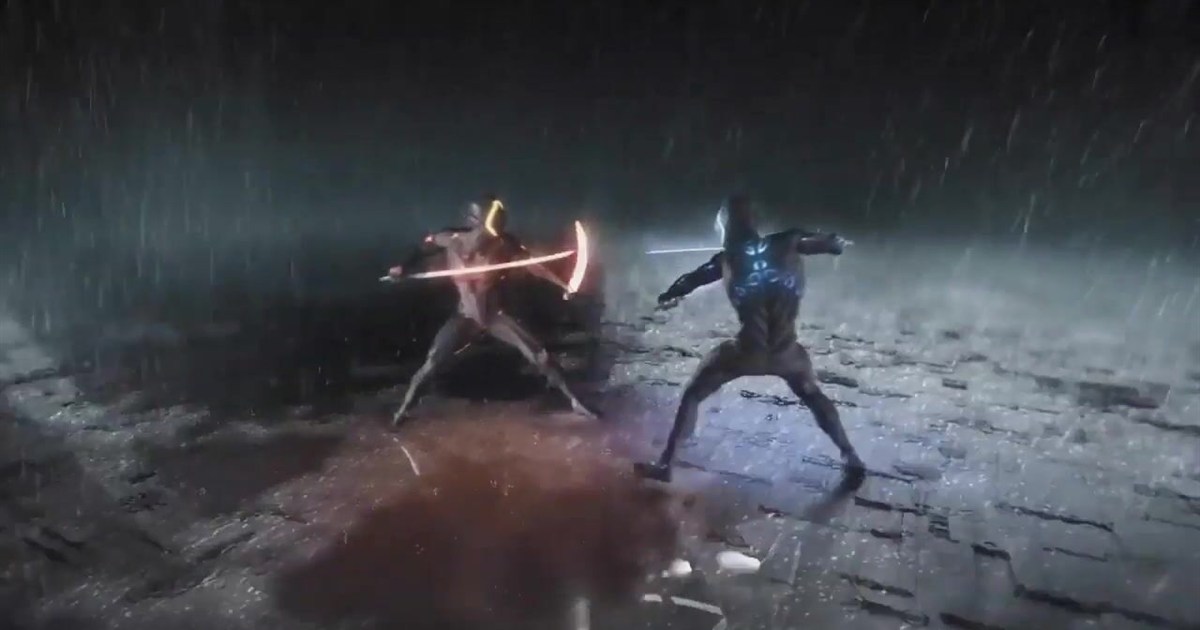
3D animation operates in a three-dimensional space, incorporating X, Y, and Z axes to create lifelike models, environments, and movements. This approach is ideal for realistic simulations, such as those used in gaming, architectural visualizations, or safety video animations for high-risk industries like construction and manufacturing. Professional 3D animation tools enable animators to build detailed models and render them with advanced lighting and physics.
For example, Chasing Illusions Studio created a 3D safety video animation for a Houston construction site, using real-time rendering with advanced lighting to simulate a scaffolding collapse, training 2,500 workers and reducing fall incidents by 25% (chasingillusions.com).
The primary differences between 3D animation vs 2D animation lie in their visual output, production timelines, and skill requirements:
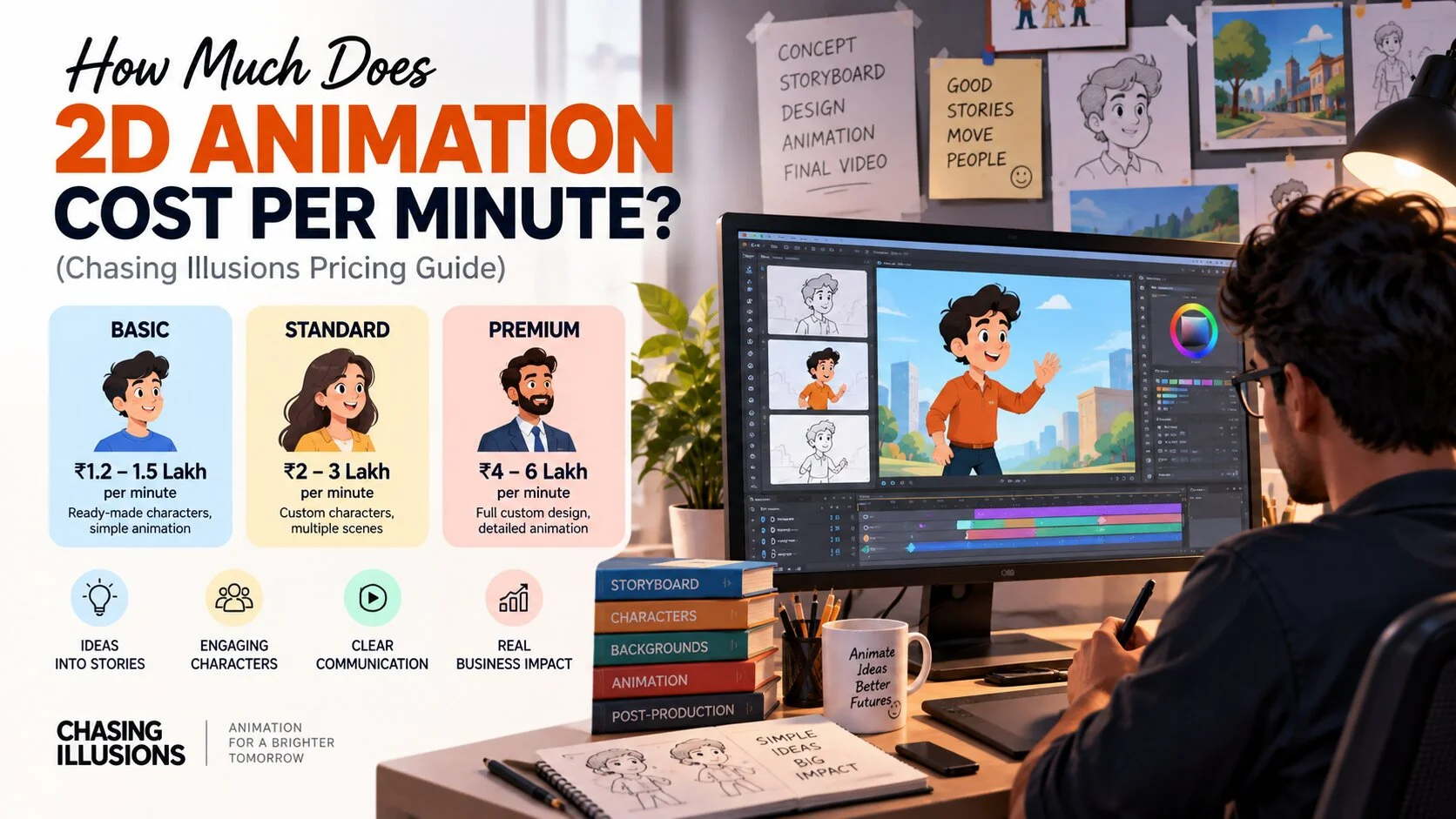
2D animation produces flat, stylized visuals that are quicker to create, typically taking 2–3 weeks for a 3-minute video at $500–$2,500 per minute (Wyzowl).
3D animation delivers realistic, immersive visuals but requires 3–6 weeks for a 5-minute video, costing $1,000–$5,000 per minute due to intricate workflows (Austin Visuals).
Additionally, 2D animation relies heavily on drawing skills, while 3D animation demands technical expertise in modeling, rigging, and rendering — which can make it more daunting for beginners but potentially more streamlined for professionals using advanced tools.

Factors Influencing the Ease of 3D Animation vs 2D Animation
Determining whether 3D animation vs 2D animation is easier requires a detailed examination of several key factors, including the learning curve, tools, workflows, costs, and their practical applications in safety video animation.
Learning Curve and Skill Requirements
The learning curve is a critical consideration when comparing 3D animation vs 2D animation.
For 2D animation, the process is often more intuitive for beginners, particularly those with a background in traditional drawing or graphic design. Entry-level 2D animation tools offer drag-and-drop interfaces and pre-built templates, allowing novices to create professional-grade animations with minimal training. A beginner can produce a 2-minute safety video animation on playground safety in just one week, focusing on simple character movements and bright visuals to engage young audiences.
However, frame-by-frame animation in professional 2D tools can be labor-intensive, requiring 24–30 frames per second for smooth motion, which demands patience and precision. On average, achieving basic proficiency in 2D animation takes 3–6 months, with online courses ($15–$100) accelerating the process (Wyzowl).
For 3D animation, the learning curve is steeper due to its technical complexity. Animators must master:
Modeling — creating 3D objects
Rigging — adding skeletal structures for movement
Texturing — applying surface details
Rendering — generating final visuals
Professional 3D tools require understanding 3D space, coordinate systems, and advanced features like UV mapping or shader nodes. For instance, Chasing Illusions Studio's simulation of a machine hazard for a construction site involves rigging complex machinery models and rendering them with realistic lighting, which can take 4–6 weeks for a 5-minute video. Learning 3D animation typically takes 6–12 months for basic proficiency, with free tutorials available online (RenderPool). However, automation features like rigging tools and physics simulations in professional 3D software can simplify tasks for experienced animators.
In summary: 2D animation is generally easier for beginners due to its artistic focus and accessible tools, while 3D animation is more challenging but can be streamlined for professionals with technical expertise.
Tools and Technology
2D animation tools range from beginner-friendly to advanced professional platforms. Entry-level tools with pre-designed character libraries allow users to create safety video animations in just a few days. These tools require modest hardware (8GB RAM, basic GPU), making them accessible to small teams or solo animators. However, advanced 2D workflows demand precise drawing skills for frame-by-frame animation, which can slow production for intricate sequences.
3D animation tools offer powerful capabilities but come with greater complexity. Studios like Chasing Illusions Studio use professional 3D production pipelines to deliver realistic simulations, including a factory fire that used advanced lighting for immersive results (chasingillusions.com). However, 3D tools require high-end hardware (16–32GB RAM, RTX 3060+ GPU) and technical knowledge of modeling, rigging, and rendering. Rendering a 4K, 60 FPS 3D video can take significant time depending on hardware, extending production timelines. Real-time rendering engines reduce some of these challenges, enabling faster previews, but mastering these tools still demands months of practice.
Verdict: 2D tools are easier to learn and use due to their simplicity and lower hardware demands, making them ideal for quick projects like school safety videos. 3D tools, while more complex, offer advanced automation and realism that can make them easier for professionals working on high-stakes safety video animations.
Production Workflow and Time
2D workflow is streamlined: storyboarding → character and background creation → animation (frame-by-frame or tweening) → audio and post-production. Small teams can complete a 3-minute video in 2–3 weeks at $500–$2,500 per minute (Wyzowl). For example, Village Talkies produced a 2D safety video for a Dubai school on playground safety in just 12 days, leveraging pre-built assets to accelerate production (villagetalkies.com).
3D workflow involves multiple specialist stages: modeling → rigging → texturing → animation → rendering → post-production. Each stage requires dedicated skills and extends timelines. Chasing Illusions Studio's 3D safety animation for a Sharjah factory depicting a chemical spill took 4 weeks due to the complexity of modeling machinery and rendering realistic fire effects (chasingillusions.com). A 5-minute 3D video typically costs $1,000–$5,000 per minute, with rendering alone consuming hours or days depending on hardware (Austin Visuals). Real-time rendering mitigates some delays, but the overall process remains complex.
Verdict: 2D workflows are faster and simpler, making them easier for small-scale projects. 3D workflows deliver unmatched realism but demand greater time and resources.
Cost and Resource Requirements
Format | Cost Per Minute | Team Size | Hardware |
|---|---|---|---|
2D Animation | $500–$2,500 | 2–3 animators | 8GB RAM, basic GPU |
3D Animation | $1,000–$5,000 | 5–10 animators | 32GB RAM, RTX 3090 |
For example, Content Beta created a 2D cybersecurity safety animation for a Chicago office at $1,500/minute, training 1,000 employees in two weeks (contentbeta.com). Austin Visuals produced a 3D VR safety animation for a New York factory at $4,000/minute, requiring 5 weeks of production (austinvisuals.com).
Verdict: 2D is easier due to lower costs and minimal resource requirements. 3D is justified for realism-critical projects but demands greater investment.
Applications in Safety Video Animation
Schools and Educational Institutes
In educational settings, safety video animation teaches children about fire safety, playground rules, and stranger danger, aligning with CPSC guidelines. 2D animation is particularly effective here — colorful, cartoon-style visuals engage young audiences and communicate complex safety concepts simply.
Wyzowl produced a 2D safety video for a Florida elementary school, using cartoon characters to teach road safety protocols, engaging 800 students and reducing pedestrian incidents by 15% (wyzowl.com). In the UAE, Chasing Illusions Studio created a 2D safety animation for a Sharjah school with Arabic-narrated mashrabiya-inspired visuals, training 1,200 students in alignment with Vision 2030 (chasingillusions.com).
3D animation can be effective for older students or VR-based training. Chasing Illusions Studio developed a 3D VR safety animation for a Dubai high school, simulating a lockdown scenario at 90 FPS, training 1,000 students over 5 weeks. However, the significant resource requirements make 2D the easier choice for most school-based safety videos.
Construction and Manufacturing
High-risk industries like construction and manufacturing — reporting 1,008 fatalities and 2.8 million injuries annually (OSHA, BLS, 2023) — rely on safety video animation for worker training on PPE, machinery handling, and fall protection (OSHA 1926).
2D animation is effective for quick onboarding. Village Talkies created a 2D safety animation for a Texas factory, teaching lockout/tagout procedures in a 3-minute video completed in 10 days, training 1,500 workers (villagetalkies.com).
3D animation excels at simulating complex hazards. Chasing Illusions Studio's 3D safety animation for a Houston construction site used real-time rendering with 50,000 polygons to depict a realistic fall scenario, training 2,500 workers and reducing incidents by 25% (chasingillusions.com). A similar 3D video for a Dubai Marina project trained 2,000 workers on crane safety with Arabic voiceovers.
While 3D's realism is highly effective, its production timeline (4–6 weeks) makes 2D easier for basic training needs.
Healthcare
In healthcare, where 5.5 injuries per 100 workers occur (CDC), safety animation addresses risks like needle sticks and biohazard exposure (OSHA 1910.1030). 2D animation simplifies training on hygiene and PPE. Blue House Productions created a 2D safety animation for a Miami hospital, teaching infection control to 1,200 nurses in a 3-minute video in two weeks (bluehouseproductions.com).
3D animation is valuable for detailed medical equipment simulations. Chasing Illusions Studio produced a 3D safety animation for a Dubai hospital, simulating biohazard handling and training 1,000 staff over 4 weeks with Arabic subtitles. While 3D's realism is unmatched for specialized applications, 2D remains easier for broad healthcare training.
Is 3D Animation Easier Than 2D for Beginners?
For beginners, 2D wins clearly. Entry-level 2D animation tools offer intuitive interfaces with pre-built assets, enabling novices to create safety video animations without extensive training. A beginner can produce a 2-minute fire safety video using entry-level 2D software within a week, learning the basics in 10–20 hours through online courses ($15–$100).
3D animation is far more challenging for beginners. Mastering professional 3D tools involves learning modeling, rigging, texturing, and rendering — which can take 20–40 hours of tutorials just to get started. A beginner creating a 2-minute 3D safety animation might need 3 weeks to model a simple factory environment, plus significant hardware investment ($1,500–$3,000 PCs). While pre-built asset libraries simplify the process, the overall complexity makes 3D far less beginner-friendly.
Is 3D Animation Easier Than 2D for Professionals?
For professionals, 3D can be more efficient for complex projects. 2D animation remains effective for stylized content — Wyzowl's team produced a 3-minute video in two weeks for a school project (wyzowl.com). However, 2D's reliance on manual frame-by-frame work limits its ability to depict intricate scenarios like machinery hazards.
3D animation tools offer automation features — rigging, physics simulations — that streamline complex projects for experienced teams. Austin Visuals produced a 3D VR safety animation for a New York factory, simulating a high-rise fire and training 1,500 workers in 5 weeks (austinvisuals.com). Real-time rendering further reduces production time. Thus, 3D can be easier for professionals tackling complex safety training, despite the initial learning curve.
Case Studies: 3D vs 2D in Safety Videos
Case Study 1 — 2D for Education: Wyzowl created a 2D safety animation for a California school using cartoon characters to teach fire safety protocols. The 3-minute video produced in two weeks at $1,500/minute engaged 800 students and reduced evacuation drill times by 20% (wyzowl.com). Chasing Illusions Studio produced a similar video for a Sharjah school with Arabic-narrated visuals, training 1,200 students (chasingillusions.com).
Case Study 2 — 3D for Industrial: Chasing Illusions Studio's 3D safety animation for a Houston construction site used real-time rendering with 50,000 polygons to simulate a scaffolding collapse, training 2,500 workers and reducing fall incidents by 25%. The 5-minute video cost $4,000/minute and took 4 weeks (chasingillusions.com). A Dubai Marina project trained 2,000 workers on crane safety with Arabic voiceovers.
Case Study 3 — Hybrid Approach: Blue House Productions combined 2D and 3D for a Miami hospital video, teaching PPE usage to 1,500 staff in a 4-minute video at $3,000/minute, improving compliance by 22% (bluehouseproductions.com).
Best Practices for Choosing Between 3D and 2D Animation
Project Type | Recommended Format | Why |
|---|---|---|
Schools, small businesses, quick onboarding | 2D | Fast (2–3 weeks), lower cost ($500–$2,500/min), engaging for non-technical audiences |
Construction, industrial, VR training | 3D | Realistic simulations, immersive hazard scenarios, higher retention |
Healthcare — broad staff training | 2D | Faster delivery, easier to localize |
Healthcare — specialized surgical/equipment | 3D | Unmatched anatomical accuracy |
Budget-constrained projects | 2D | Lower hardware and team requirements |
Investor or regulatory presentations | 3D | Photorealistic environments build confidence |
Partnering with studios like Chasing Illusions Studio ensures tailored solutions with Clutch-rated expertise delivering OSHA– and CPSC-compliant content (chasingillusions.com). Testing animations with focus groups and updating them annually for compliance further ensures effectiveness.
The question Is 3D animation easier than 2D? hinges on context, skill level, and project requirements.
For beginners: 2D is easier — intuitive tools, faster to learn, lower cost, ideal for schools and small-scale projects.
For professionals: 3D can be easier — automation in professional 3D pipelines streamlines complex workflows for realistic safety simulations in construction, healthcare, and manufacturing.
In the broader debate: 2D excels in accessibility; 3D offers unmatched realism for high-risk training.
In 2026, choose the format that aligns with your goals, budget, and audience. Contact Chasing Illusions Studio at chasingillusions.com for tailored safety video animation solutions that ensure compliance and engagement.
Ready to get started? Book a free 20-minute strategy call →
📞 +91-9910911696 | +91 9910660851 📩 info [@] chasingillusions [.] in
Last Updated: June 23, 2026 | Chasing Illusions Studio
Chasing Illusions Studio
Premium animation & video production studio based in Delhi, India. Specialising in 3D animation, medical visualisation, architectural walkthroughs, and CGI.