Imagine preparing to launch a new electric vehicle before its first production model is ready. Your marketing team needs product visuals, engineers need to explain the internal powertrain, and dealerships need training materials. Traditional photography cannot capture a vehicle that does not yet exist, while static diagrams may struggle to explain how its components work together.
This is where 3D animation becomes valuable.
The benefits of automotive 3D animation include pre-launch vehicle visualization, clearer engineering communication, product demonstrations, marketing and sales enablement, electric vehicle education, employee training, and manufacturing process visualization. By creating digital representations of vehicles, components, and mechanical systems, automotive companies can communicate complex information through controlled, detailed visual experiences.
From automotive manufacturers and electric vehicle (EV) developers to component suppliers and marketing teams, 3D animation provides a practical way to explain products, demonstrate functionality, and communicate technical concepts across different audiences.
In this guide, we explore the key benefits of 3D animation for the automotive industry, its real-world applications, how it compares with traditional photography and video, and when businesses should consider investing in it.
What Is 3D Animation in the Automotive Industry?
Automotive 3D animation is the process of creating digitally modelled vehicles, automotive components, mechanical systems, and manufacturing processes and bringing them to life through movement.
Unlike static product images, 3D animation can demonstrate how a component operates, how multiple systems interact, or how a vehicle feature works under a specific set of conditions.
Its business value lies in helping automotive companies present complex information clearly, support product launches, and improve communication with buyers, sales teams, and technical stakeholders.
ALSO READ: Complete Guide to Automotive 3D Animation
Key Benefits of 3D Animation for the Automotive Industry
The benefits of 3D animation for the automotive industry extend beyond advertising. Its value depends on the communication challenge, the complexity of the product, the intended audience, and how the final content will be used.
The following sections explain ten practical benefits and the situations in which each is most useful.
1. Visualize Vehicles Before They Launch
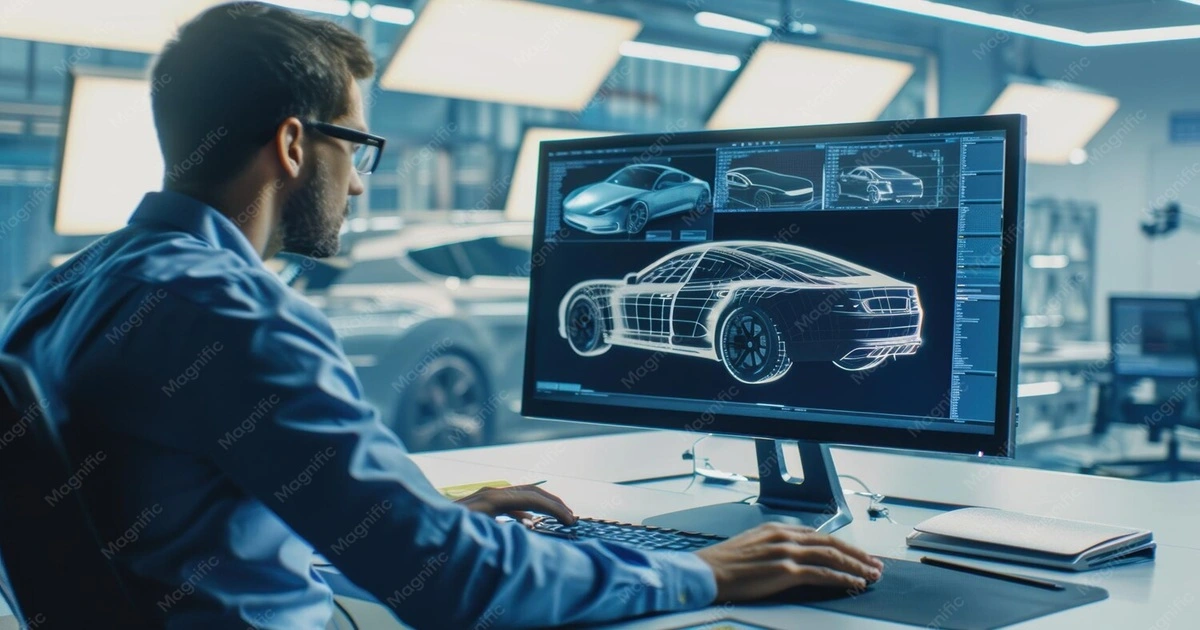
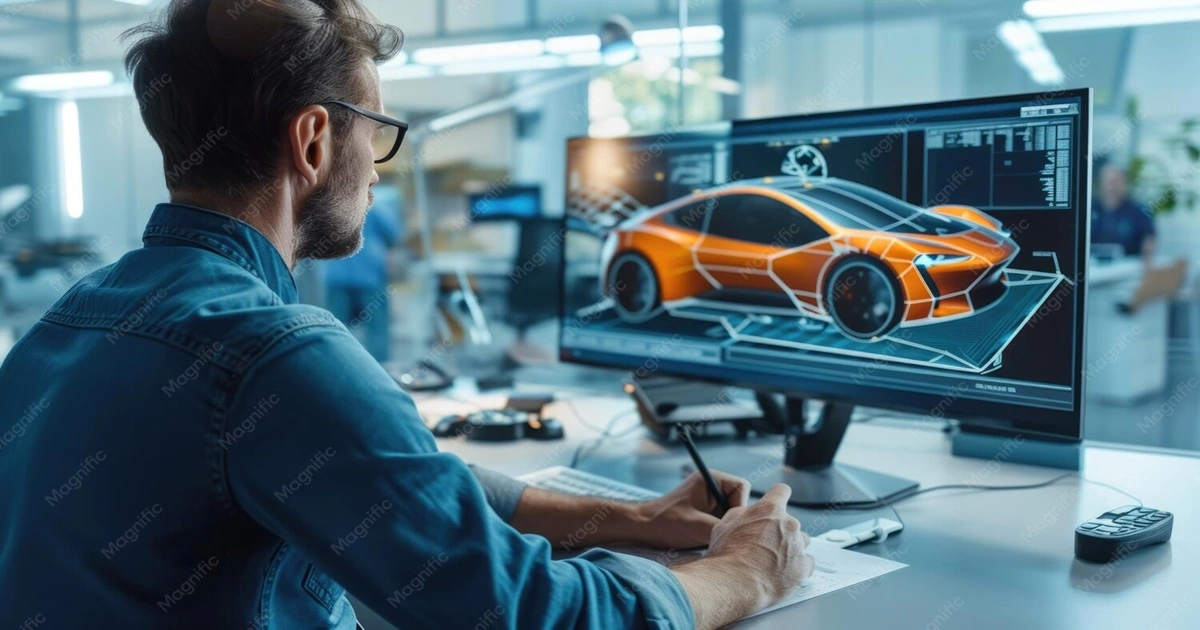
Automotive companies often need to promote a vehicle before physical units are available for filming or showroom display. 3D animation makes it possible to present approved vehicle designs, highlight key features, and prepare launch materials in advance.
This helps marketing and sales teams communicate product value earlier and coordinate visual content across launch campaigns.
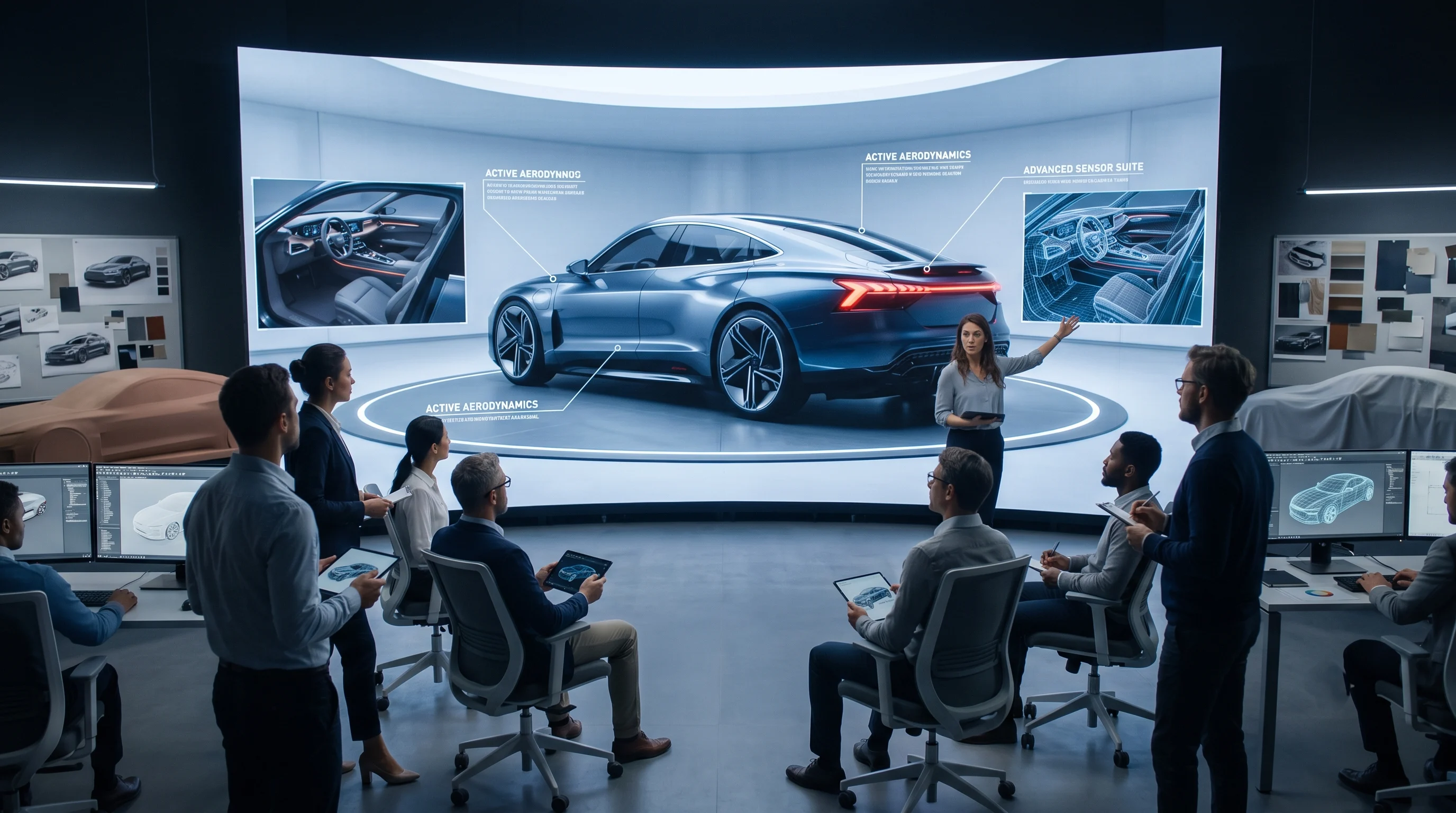
For example, an EV manufacturer preparing to introduce a new model could use 3D animation to reveal its exterior design, illustrate the placement of its battery pack, and demonstrate selected features in a coordinated launch video.
Best suited for: Automotive OEMs, EV startups, concept vehicle developers, product launch teams, and automotive design departments.
2. Explain Complex and Invisible Engineering
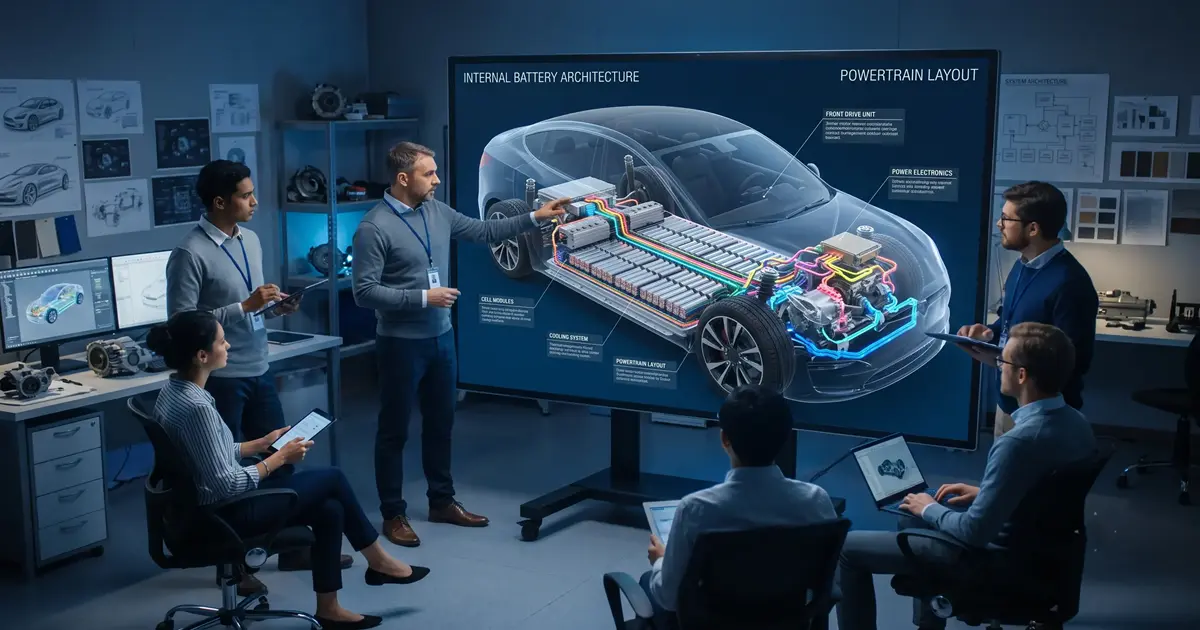
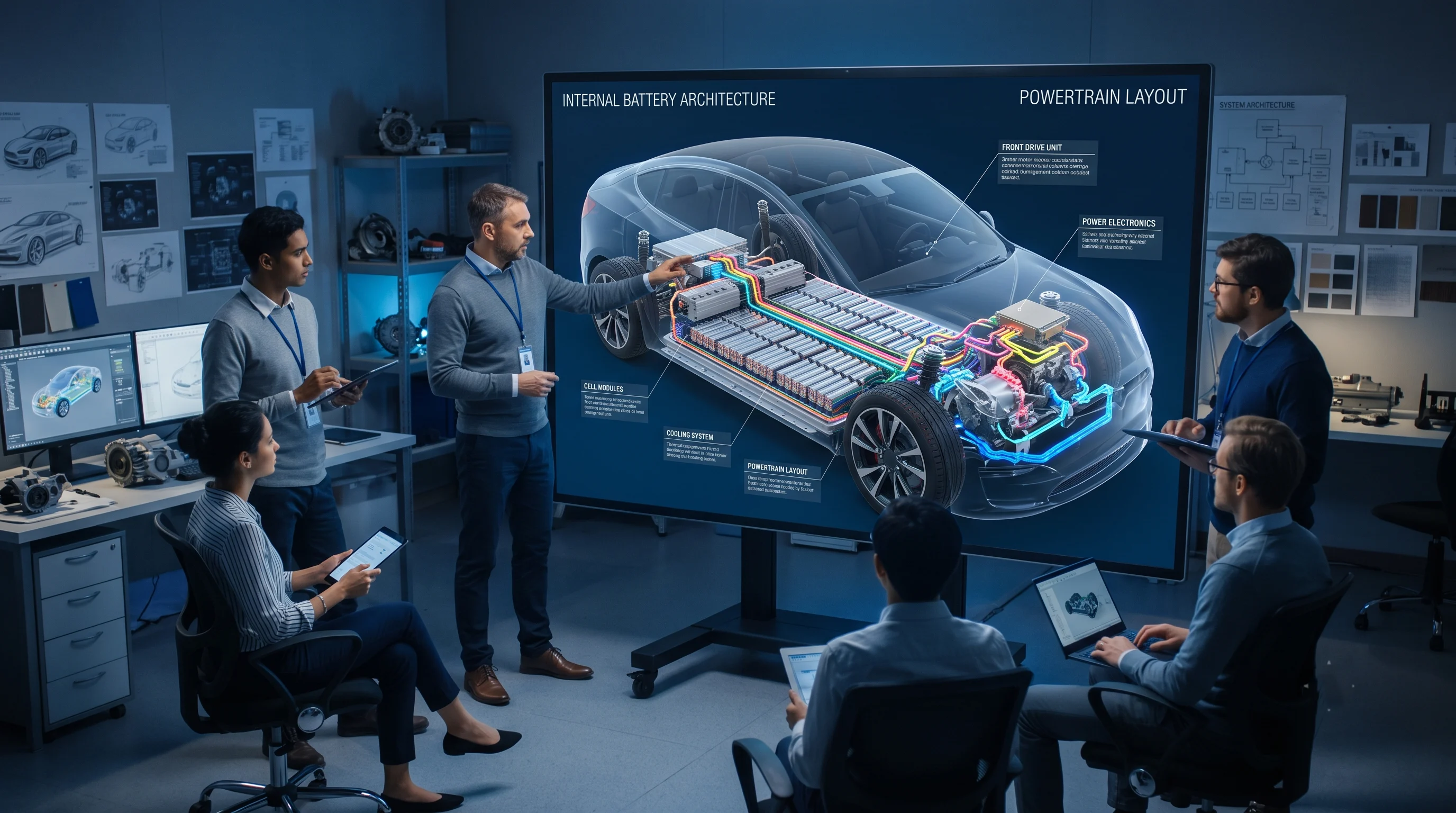
Some automotive technologies are difficult to understand from exterior images or conventional product footage. 3D animation can make internal mechanisms and functional relationships easier to communicate through clear visual explanations.
This is particularly useful when engineering teams, suppliers, or sales representatives need to explain technical value to audiences with different levels of technical knowledge. Features that are difficult to film can also be presented without relying on physical access to the component.
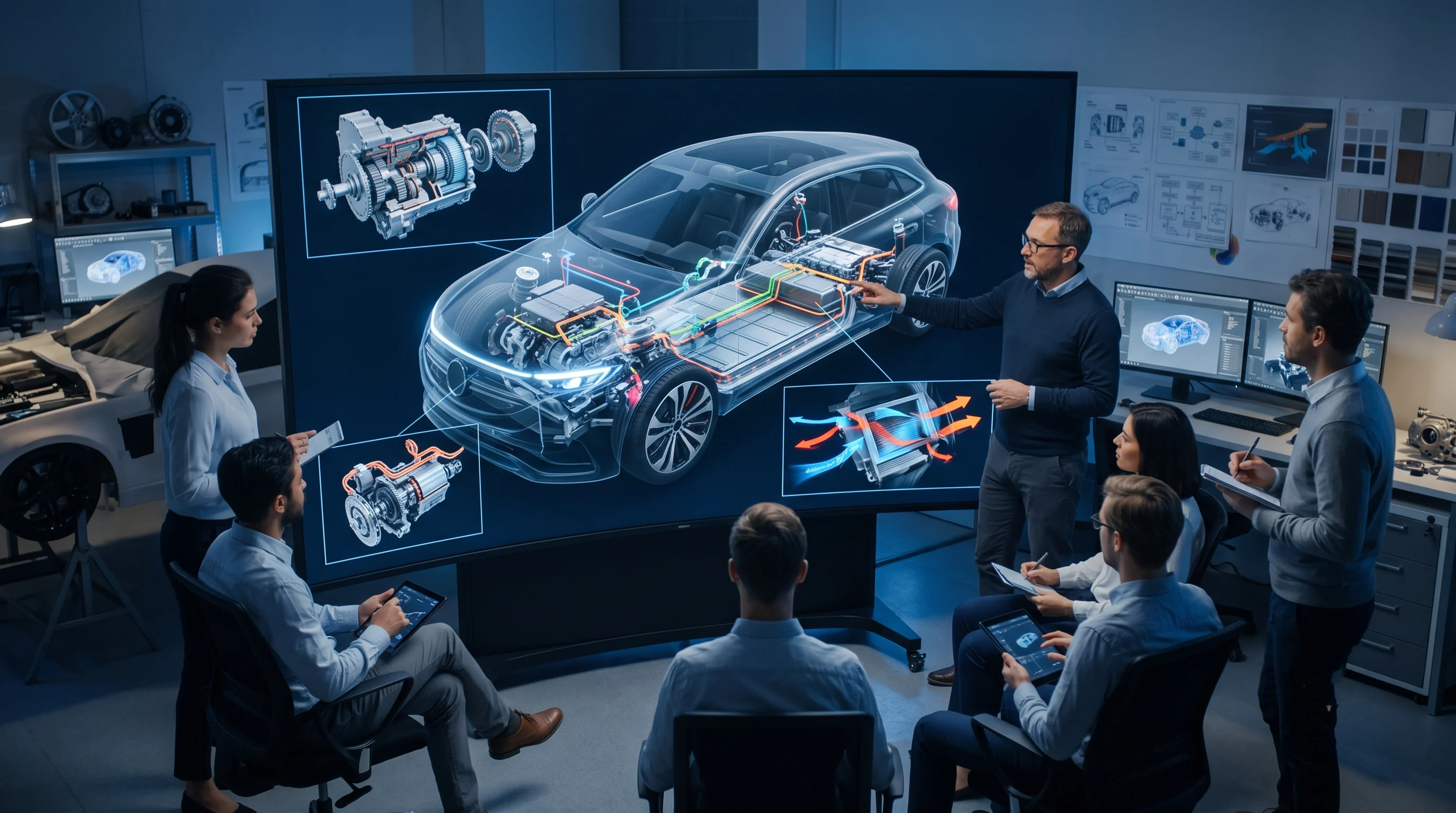
Automotive systems that benefit from 3D animation:
Engine systems: Show piston movement, combustion-related processes, and the interaction between engine components.
Transmission systems: Explain gear engagement, torque transfer, and the relationship between mechanical parts.
Suspension systems: Demonstrate how suspension components move and interact with the vehicle.
Braking systems: Illustrate the operation of brake discs, calipers, pads, and related components.
Steering mechanisms: Show how steering inputs influence mechanical movement.
Thermal management: Visualize coolant circulation, heat-transfer concepts, and cooling-system operation.
Techniques such as exploded-view animation can separate components to reveal their arrangement, while cutaway animation can expose internal mechanisms without removing the surrounding structure entirely.
This is useful when engineering teams need to communicate a design, component manufacturers need to explain a product to OEM buyers, or technical educators need to make complicated systems easier to understand.
Best suited for: Automotive engineers, component manufacturers, mechanical engineering firms, R&D teams, and technical training providers.
3. Demonstrate Automotive Products and Features Clearly
Buyers need to understand how a vehicle component or system works before they can evaluate its value. Automotive product animation helps demonstrate specific functions, design advantages, and product differences in a focused visual presentation.
For component manufacturers and automotive technology suppliers, this can make product discussions more informative and help sales teams communicate technical benefits consistently.
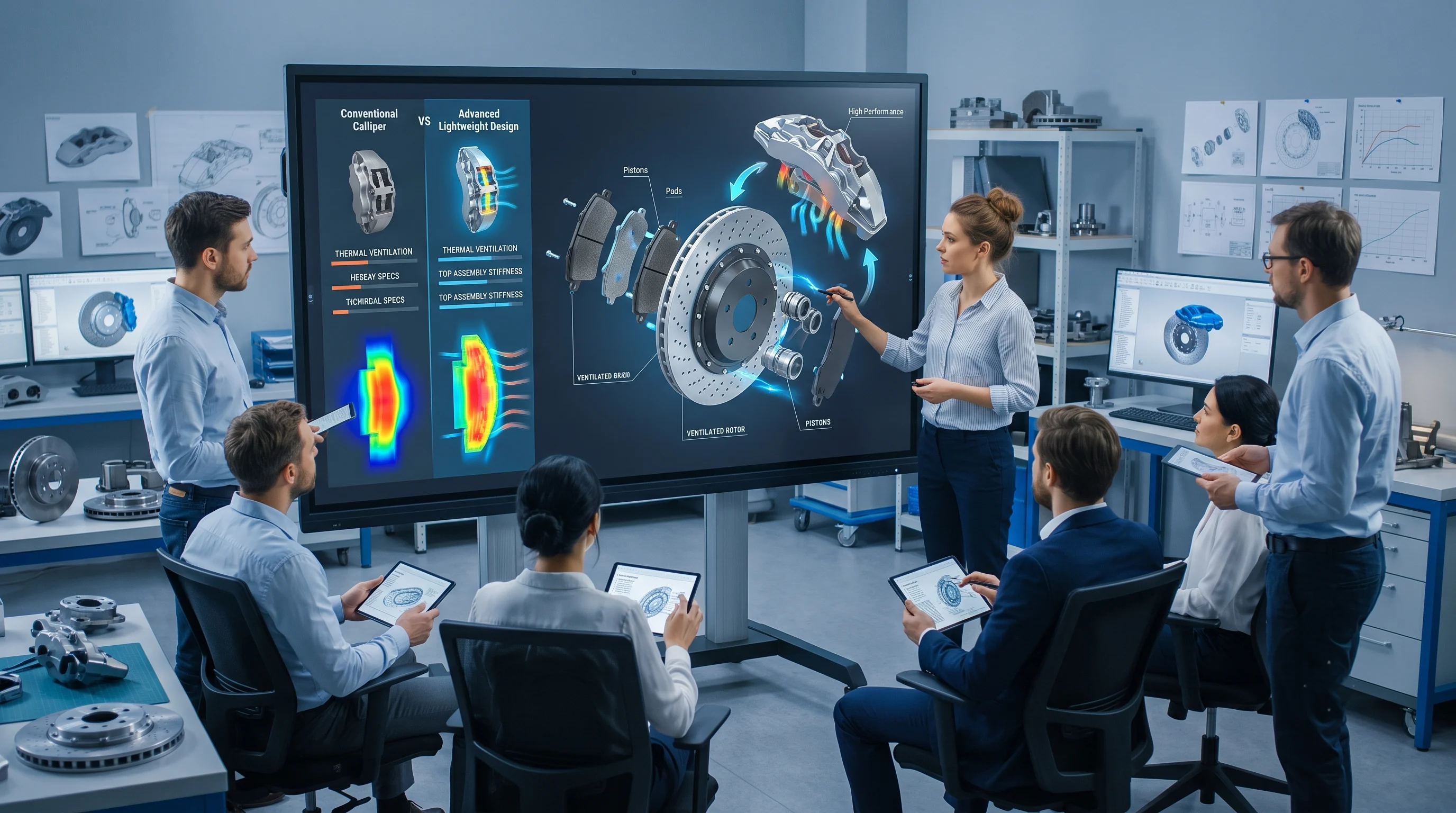
For example, a manufacturer of advanced braking components could create an animation showing how the product is assembled, how its parts interact, and which design features distinguish it from conventional alternatives.
The key is to define the communication objective before production. A detailed technical animation and a short product demonstration may use similar 3D assets, but they require different levels of detail and storytelling.
Best suited for: Auto-parts manufacturers, component suppliers, automotive technology companies, product managers, and B2B sales teams.
4. Support Automotive Marketing and Sales Enablement
Automotive 3D animation gives marketing and sales teams a consistent way to present product features, explain technical advantages, and support buyer conversations. The same approved visual assets can be adapted for product pages, digital campaigns, presentations, and dealer communications.
This helps teams maintain consistent product messaging across channels and gives prospective customers a clearer basis for evaluating the offering. Performance should be measured against the campaign’s specific goals, such as qualified inquiries, engagement, or sales-team feedback.
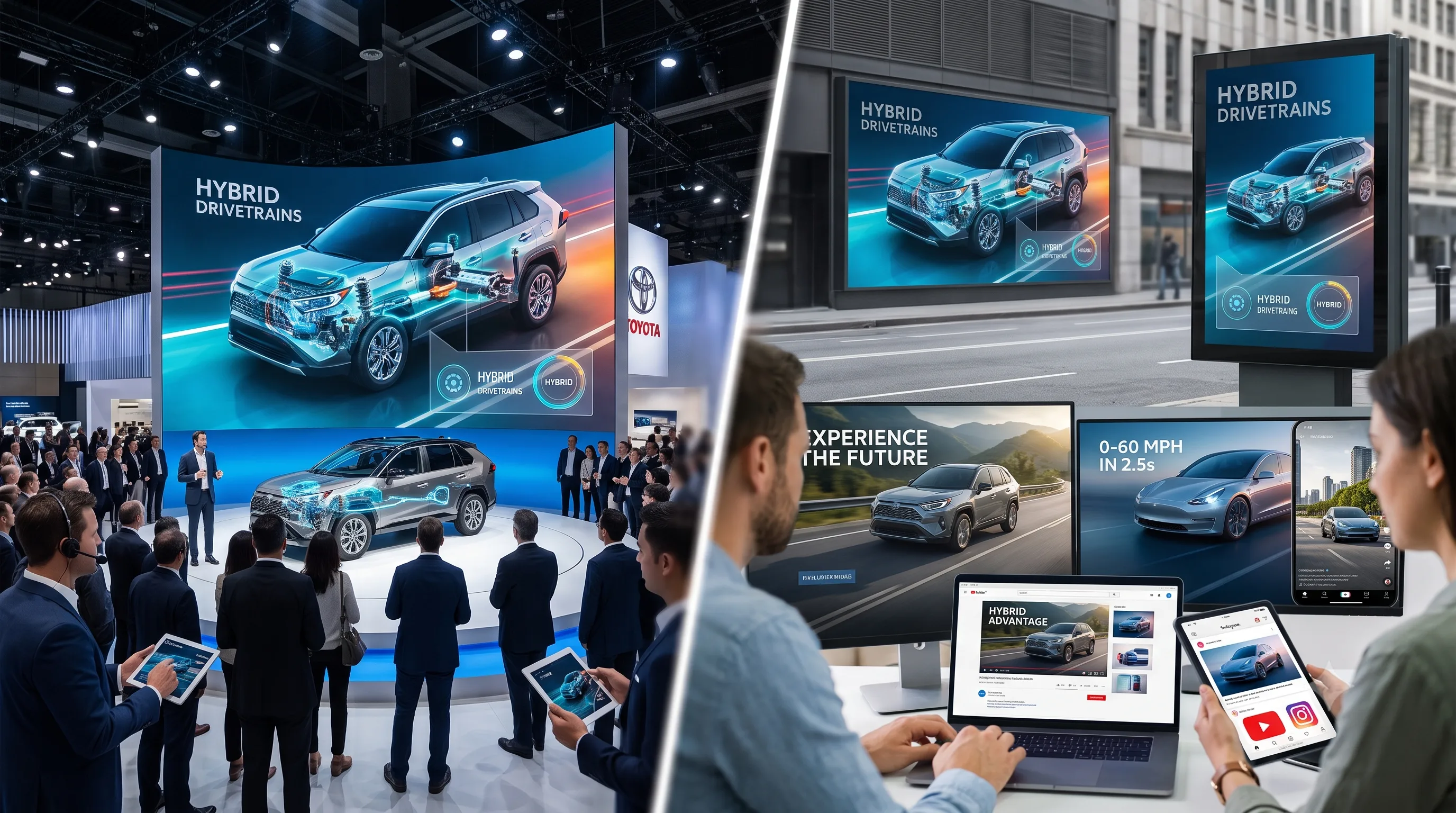
How animation supports marketing and sales?
Vehicle launch campaigns: Introduce vehicle designs, features, and selected technologies before or during a launch.
Website and landing-page content: Explain key features through product videos and interactive or motion-based presentations.
Dealer presentations: Help sales representatives demonstrate technical features without relying entirely on verbal explanations.
B2B sales presentations: Enable component suppliers to communicate product functionality and engineering value to prospective customers.
Trade shows and exhibitions: Use large-format displays and product demonstrations to attract attention and explain complex products in limited time.
Digital advertising: Develop focused visual content for specific audiences, platforms, and campaign objectives.
Best suited for: Automotive marketing departments, OEM launch teams, dealerships, advertising agencies, sales enablement teams, and component suppliers.
5. Simplify Electric Vehicle Technology
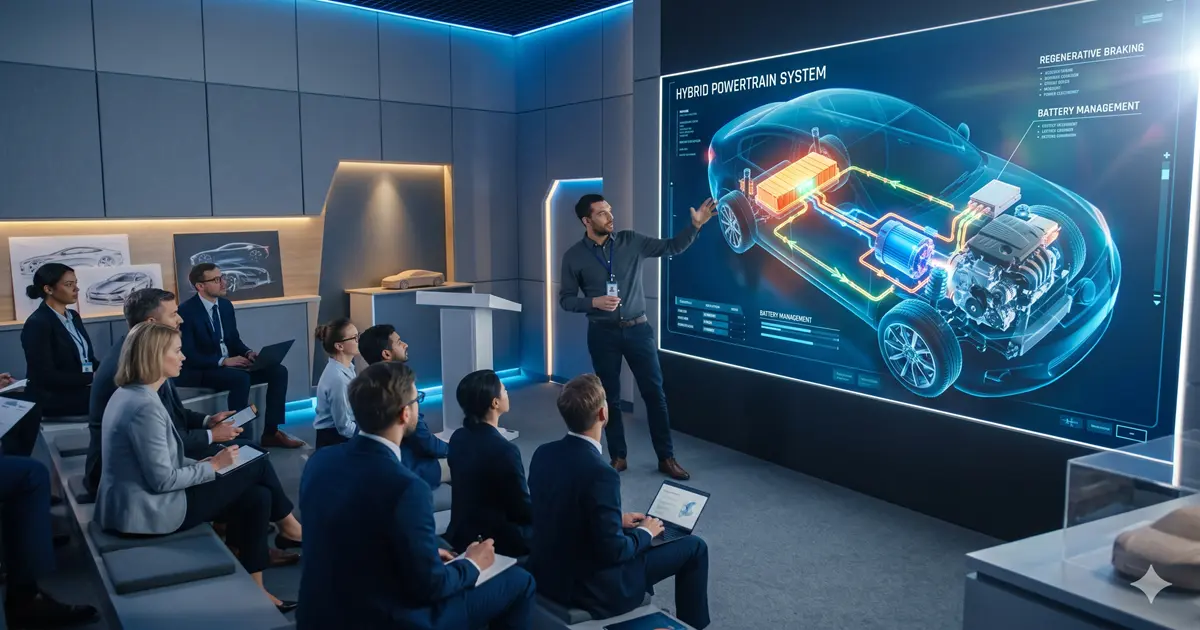
Electric vehicle (EV) manufacturers and suppliers often need to explain technologies that buyers cannot easily inspect, such as battery systems, electric powertrains, regenerative braking, EV powertrain operation, and thermal management components.
Automotive 3D animation can make these technologies easier to communicate during product presentations, sales discussions, and educational campaigns. The focus should be on helping the intended audience understand the technology’s purpose and value—not simply showing technical components.
EV 3D animation helps explain how electric vehicle components function individually and work together as a system.
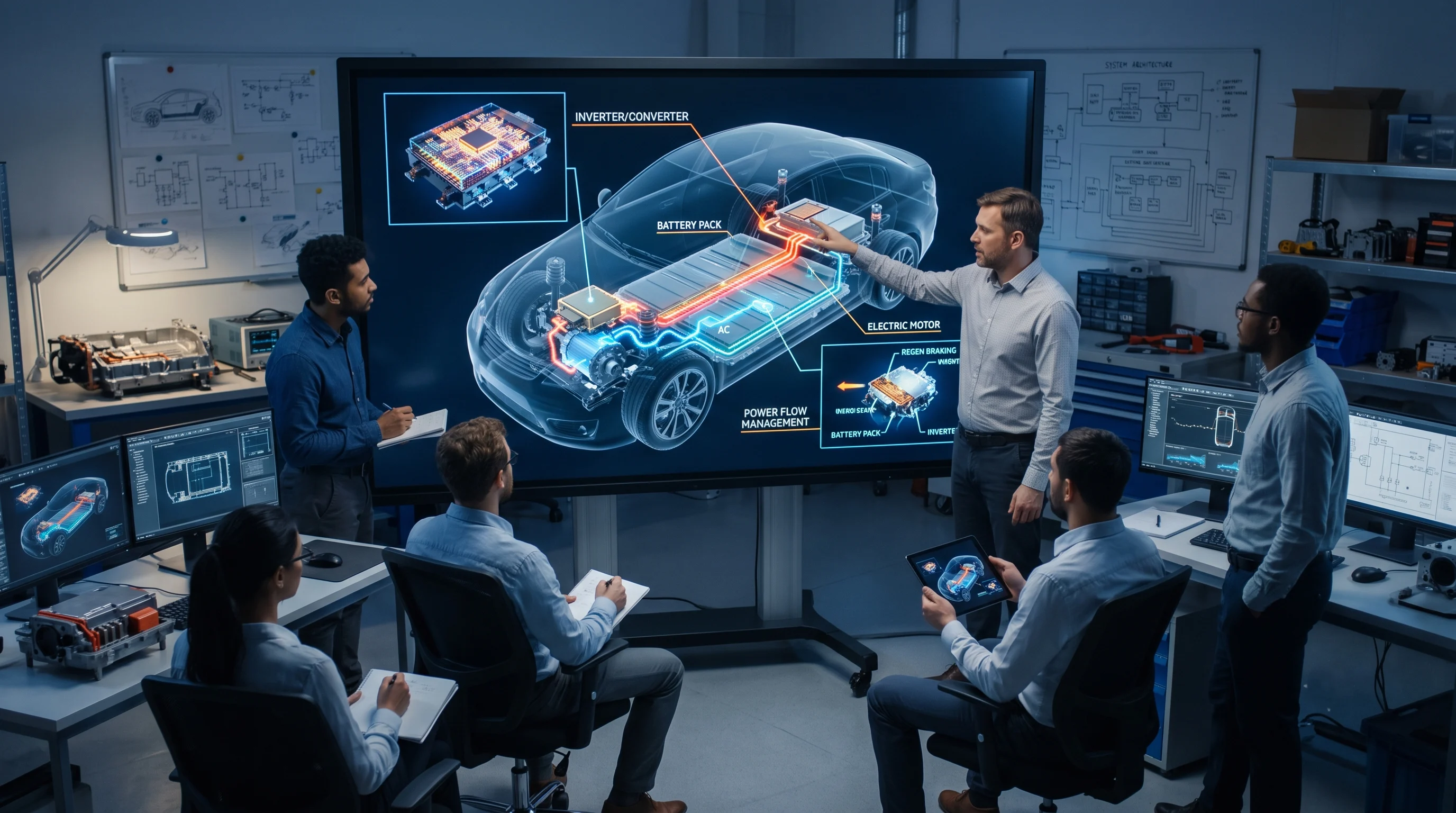
Best suited for: EV manufacturers, battery developers, electric powertrain suppliers, charging technology companies, automotive educators, and EV marketing teams.
6. Improve Automotive Training and Technical Education
Automotive training often requires employees, technicians, or service teams to understand equipment, systems, and procedures consistently. 3D animation can support training by presenting technical concepts and illustrating procedures in a repeatable format.
Automotive training animation can be especially useful when the subject is difficult to demonstrate live or when teams need the same visual explanation across multiple locations. Training effectiveness should be evaluated through knowledge assessments, procedural performance, or other relevant learning outcomes.
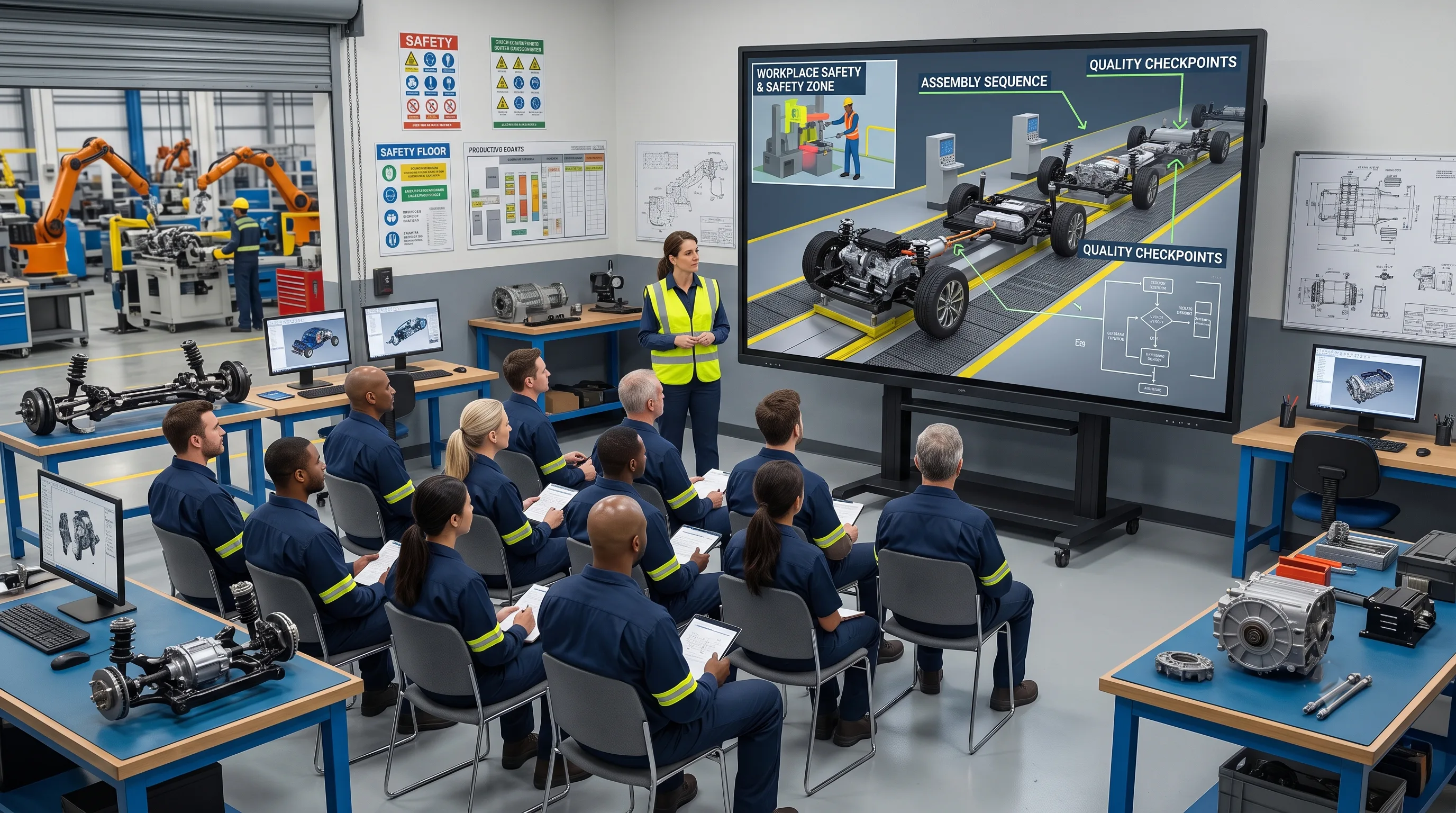
Consider a manufacturer introducing a new vehicle platform across multiple dealership locations. A standardized training animation can help communicate the same approved explanation to teams in different locations without requiring every session to be filmed again.
However, training animation should complement rather than automatically replace supervised practical instruction. Procedures involving hazardous equipment, high-voltage EV systems, or safety-critical maintenance require technically validated content and appropriate hands-on training.
Best suited for: Automotive L&D teams, dealership networks, technical institutes, service departments, manufacturing employees, and automotive equipment suppliers.
7. Communicate Manufacturing and Assembly Processes
Automotive manufacturers may need to explain production processes to employees, suppliers, clients, or other stakeholders. 3D animation can present manufacturing workflows and assembly concepts in a clear, structured visual format.
This supports process communication, helps stakeholders understand how different stages relate to one another, and makes technical presentations easier to follow. The emphasis is on improving understanding of the process rather than explaining the animation production steps.
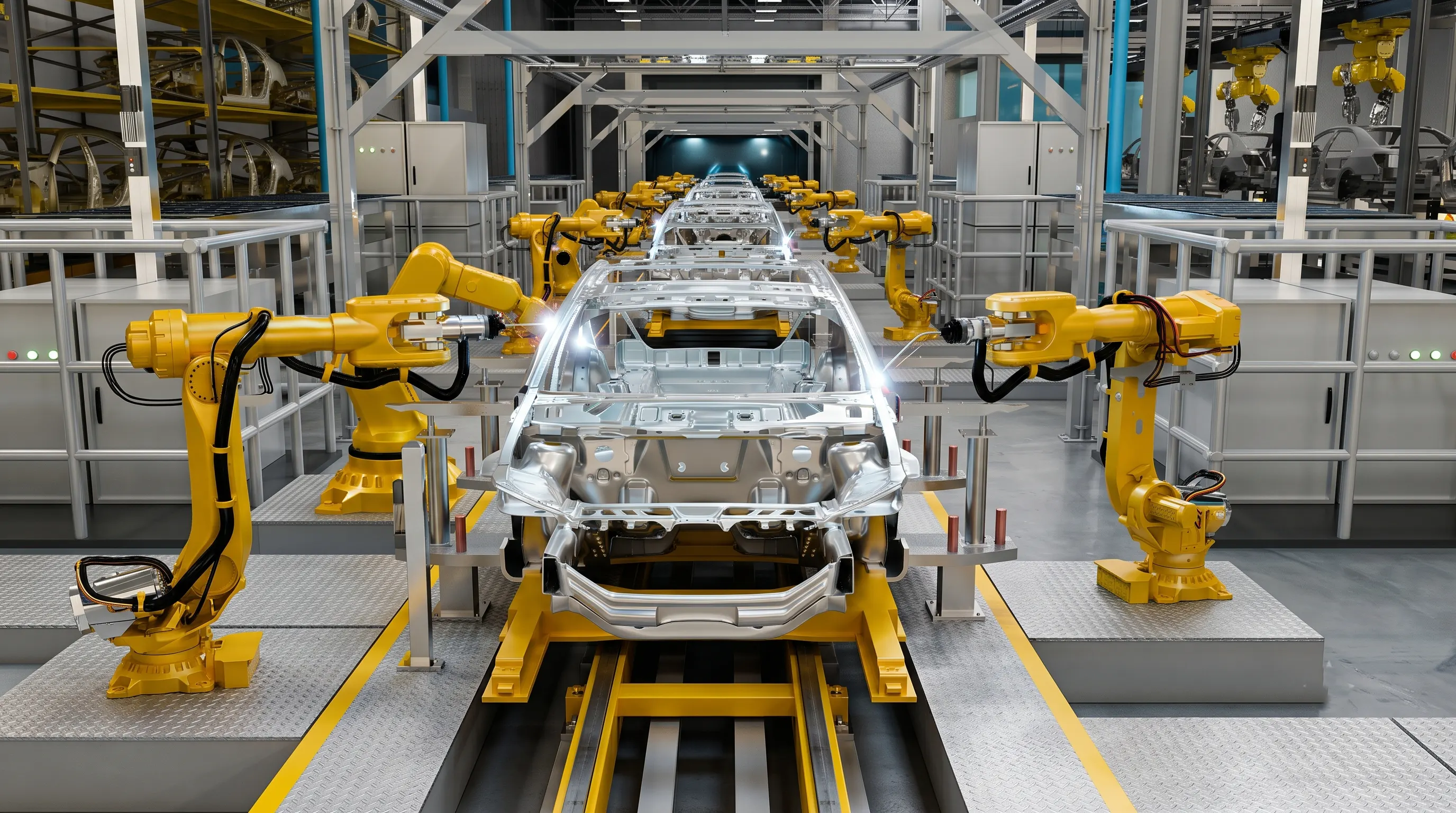
For example, an automotive equipment supplier could create a 3D animation demonstrating how an automated assembly system positions and joins components. This can help prospective customers understand the proposed workflow before visiting the facility or reviewing detailed engineering documentation.
Best suited for: Automotive manufacturers, factory automation companies, industrial equipment suppliers, production engineers, and manufacturing project teams.
8. Support Design Reviews and Cross-Functional Collaboration
Automotive projects involve teams across engineering, design, manufacturing, marketing, and sales. These groups may interpret the same technical information differently, creating communication gaps during reviews and planning.
3D visualizations can give teams a shared reference for discussing vehicle features, design intent, and product functionality. This can make feedback more focused and help stakeholders align their understanding before decisions are finalized.
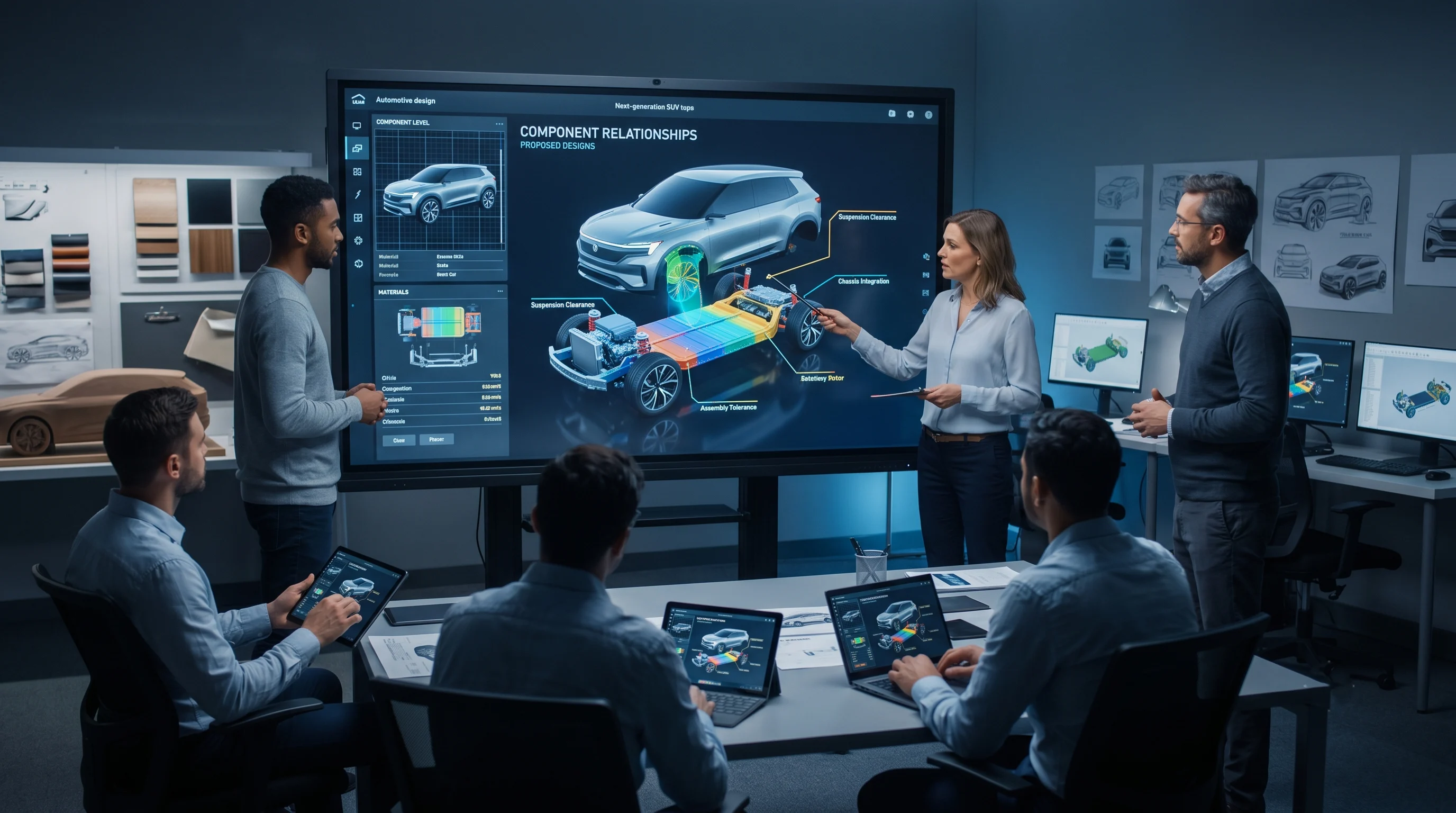
For example, when reviewing a redesigned automotive component, an engineering team could use a 3D visualization to explain its intended placement and relationship with surrounding parts. Manufacturing representatives could then raise questions about assembly access, while procurement teams could review the proposed component configuration.
Best suited for: Automotive design teams, R&D departments, product development managers, engineering consultants, procurement teams, and suppliers.
9. Visualize Features That Are Difficult to Film
Some automotive features cannot be demonstrated effectively through conventional photography or live-action video. They may be located inside an enclosed component, operate at a very small scale, require a controlled environment, or involve a product that has not yet been manufactured.
3D animation allows automotive companies to create controlled visual demonstrations of hidden mechanisms, internal processes, and hypothetical scenarios that are difficult or impractical to capture with a camera.
For example, an automotive engineering team could use a conceptual animation to explain how airflow is intended to move through a redesigned duct. If the objective is to communicate actual aerodynamic performance, however, the visual should be supported by suitable computational fluid dynamics (CFD), wind-tunnel testing, or other relevant engineering evidence.
Best suited for: Automotive R&D teams, component manufacturers, engineering firms, safety educators, and technology developers.
10. Create Reusable Visual Content Across Channels
Automotive 3D animation assets may support multiple business needs beyond their original use. With appropriate planning and permissions, approved visuals can be adapted for product presentations, websites, tarde shows, digital campaigns, dealer materials, product documentation, and training resources.
Reuse can help teams maintain consistent product communication and extend the value of the original content investment. The extent of reuse depends on the asset scope, licensing, technical requirements, and the formats needed for each channel.
A useful planning step is to identify all intended uses before creating the original animation. This allows the production team to consider camera coverage, asset complexity, output formats, and future adaptation requirements from the beginning.
Best suited for: Automotive marketing teams, OEMs, B2B suppliers, training departments, and businesses managing multi-channel product communication.
What are the Key Differences between 3D Animation vs. Photography and live-action video?
Consideration | 3D animation | Photography and live-action video |
|---|---|---|
Product availability | Can visualize products before physical production, using suitable references | Generally requires a physical subject or an existing real-world scene |
Internal components | Can expose and animate hidden parts | Usually requires disassembly, specialized cameras, or other techniques |
Visual environment | Camera, lighting, materials, and scenes can be digitally controlled | Depends on the physical setting and filming conditions |
Mechanical movement | Can illustrate defined operating sequences | Captures actual movement, or requires a separate method for hidden mechanisms |
Authentic real-world use | Represents a designed or simulated scene | Captures actual driving, environments, and human interaction |
Technical accuracy | Depends on source data, modelling, animation, and validation | Captures real events, but does not automatically explain the underlying mechanism |
Updates and revisions | Digital elements can be revised, subject to asset availability and project scope | Changes may require reshoots or additional editing |
Neither approach is universally better.
For example, a vehicle launch campaign could combine live-action driving footage with a 3D cutaway animation that explains the electric powertrain. The live-action footage communicates the driving experience, while the animated sequence explains technology that the camera cannot show directly.
The most effective choice is the one that matches the communication objective, technical requirements, available resources, and intended audience.
When Should Automotive Companies Invest in 3D Animation?
Not every automotive project requires 3D animation. Before investing, businesses should determine whether it solves a specific communication problem that existing formats cannot address as effectively.
Use the following checklist to evaluate your requirements:
Select the requirements that apply to your project.
The vehicle or component is not yet available for filming.
The product contains hidden or technically complex mechanisms.
A process is difficult, hazardous, or impractical to demonstrate physically.
Sales or marketing teams need a clear, repeatable product demonstration.
Training teams need standardized explanations across multiple locations.
The content is expected to be adapted for several platforms or audiences.
Factors to consider before commissioning an animation:
1. Define the communication objective. Determine whether the project is intended to explain engineering, demonstrate a product, support a launch, or train employees.
2. Identify the audience. Consumer-facing animation usually requires a different level of technical detail from engineering or maintenance content.
3. Assess source-data availability. CAD files, technical drawings, reference images, and approved specifications can help establish the required accuracy and modelling scope.
4. Establish deliverables. Decide on duration, resolution, aspect ratios, language versions, camera views, and intended platforms.
5. Plan technical validation. Assign the appropriate engineering or subject-matter experts to review component geometry, operating sequences, labels, and technical claims.
6. Define success measures. Depending on the objective, evaluate viewer comprehension, training assessment results, engagement, qualified leads, or feedback from sales and technical teams.
This process helps businesses evaluate animation as a communication investment rather than simply a visual production expense.
How to Choose an Automotive 3D Animation Partner?
Automotive animation requires more than attractive rendering. A suitable production partner should be able to understand technical references, translate them into clear visual narratives, and manage the review process without compromising the intended engineering message.
Evaluate prospective providers against the following criteria.
1. Automotive and engineering understanding
When choosing a provider for automotive or engineering projects, look for hands-on experience with vehicle systems, mechanical components, CAD-based visualization, and manufacturing processes. Similar project work matters too.
A good provider also knows the difference between a concept that simply looks nice and a demonstration that's technically accurate. That distinction is important, and honestly, not everyone gets it right.
2. CAD and technical-reference handling
Before starting a project, ask how the production team manages CAD data, engineering drawings, component references, and confidential product information. These details matter more than most people realize.
ALSO READ: How the Automotive 3D Animation Process Works
3. Modelling and animation quality
When reviewing a provider's work, take a close look at examples of mechanical movement, cutaway views, exploded assemblies, materials, lighting, and camera work. These elements tell you a lot about the overall quality of their 3D modelling and animation.
4. Storyboarding and technical review
A clear storyboard helps establish the sequence, key messages, and visual emphasis before detailed production begins. Skipping this step usually leads to confusion, rework, and missed deadlines.
5. Revision and delivery process
Before any project begins, clarify the review milestones, revision limits, final output formats, delivery schedules, and whether editable project files or source assets are included. Getting these details in writing upfront prevents a lot of headaches later.
6. Confidentiality and intellectual property
Automotive projects often involve unreleased products, proprietary engineering information, or confidential CAD files. Because of this, it's essential to establish proper confidentiality arrangements, data-handling procedures, and ownership or licensing terms before any work begins.
7. Relevant portfolio and business fit
When evaluating a provider, review work that actually resembles your project. An automotive advertisement, a detailed engineering animation, and a manufacturing training video each require different production capabilities — and a team that excels at one may struggle with another.
If your business needs a partner for technical visualization, product explainers, vehicle animation, or manufacturing content, explore Chasing Illusions Studio's automotive and technical animation portfolio to assess the relevance of its capabilities to your project, or contact us.
Frequently Asked Questions:
1. What are the main benefits of automotive 3D animation?
The main benefits of automotive 3D animation include visualizing vehicles before launch, explaining complex engineering concepts, demonstrating product features, supporting sales and marketing, simplifying electric vehicle technology, improving technical training, and communicating manufacturing processes. It helps automotive businesses present information that may be difficult to explain through static images or conventional video alone.
2. When is pre-launch 3D animation worth the investment for automotive companies?
Pre-launch 3D animation can be worthwhile when a vehicle or component needs to be promoted before a production-ready model is available for filming. It allows automotive companies to prepare product presentations, launch campaigns, website visuals, and dealer materials in advance.
3. How much does automotive 3D animation cost?
The cost of automotive 3D animation depends on various factors such as project's complexity, duration, modelling requirements, technical accuracy, source-data availability, rendering quality, revisions, and final deliverables. However, a CGI Automotive Design cost starts from $650 with delivery time of 2 weeks including 1 concept, 4 revisions. And Full Explainer Video of Automotive cost starts from $3,200 with delivery time of 1 month including 1 concept, 2 revisions. Businesses should request a scope-based quotation rather than relying on a single price per minute.
NOTE: The above cost is based on Behance's market research. The cost is subject to change, make sure to check LIVE cost before proceeding ahead.
4. How can automotive companies measure the effectiveness of 3D animation?
Automotive companies can measure the effectiveness of 3D animation using metrics aligned with the project's objective. Marketing teams can track video completion rates, product-page engagement, qualified inquiries, and campaign conversions. Sales teams can assess prospect feedback and the usefulness of animations during product demonstrations. Results should be compared with an appropriate baseline rather than assuming animation automatically improves business outcomes.
5. How can automotive 3D animation help buyers understand complex products?
Automotive 3D Visualization helps buyers understand complex products by revealing internal components, illustrating mechanical relationships, and demonstrating how features work. Cutaway views, exploded assemblies, and controlled product demonstrations can make technical information easier to follow. For automotive component suppliers and technology manufacturers, this can support clearer product presentations and more informed discussions with prospective customers.
Conclusion:
The benefits of 3D animation for the automotive industry extend from pre-launch vehicle visualization and engineering communication to EV education, manufacturing explanations, marketing, and technical training.
Its greatest value lies in helping people understand information that is difficult to communicate through static imagery or conventional filming alone. By making hidden components visible, illustrating mechanical relationships, and presenting products in controlled digital environments, automotive animation can support clearer communication across technical and commercial teams.
However, animation is not a replacement for every photograph, video, engineering simulation, or hands-on demonstration. The right format depends on the information being communicated, the audience, and the intended outcome.
If your business needs to explain an automotive component, visualize a vehicle before launch, demonstrate an engineering concept, or develop technical product content, explore automotive and technical animation services from Chasing Illusions Studio to determine whether a tailored 3D animation solution fits your requirements.
Chasing Illusions Studio
Premium animation & video production studio based in Delhi, India. Specialising in 3D animation, medical visualisation, architectural walkthroughs, and CGI.