

In 2026, 3D video types are revolutionising how businesses communicate, engage, and succeed across diverse sectors. From immersive virtual tours of Dubai skyscrapers to critical safety training in Chicago factories, these videos deliver unparalleled depth, realism, and impact — boosting audience engagement by 85% compared to static images (Forrester, 2026).
By leveraging cutting-edge 3D animation and rendering technology, 3D videos simplify complex concepts, drive sales, ensure regulatory compliance, and enhance training efficiency. At Chasing Illusions Studio, we've crafted high-impact 3D videos for clients in the USA, UAE, India, and beyond, earning accolades from Priya Nair for our "breathtaking" visuals and Ravi Malhotra for their "memorable" impact. Our work, compliant with OSHA, SCDF, and UAE's Vision 2030, has driven 35% sales growth for real estate clients and reduced workplace accidents by 40% for global firms.
This comprehensive guide explores the top 10 3D video types transforming industries in 2026 — tailored for marketers, business owners, training managers, and creative professionals. Drawing on our 15+ years of expertise, 2026 industry data (e.g., $5.5T global visualisation market, Statista), and detailed case studies, it equips you to choose the right 3D video for your goals, whether you're based in New York, Sharjah, or Bengaluru.
What Are 3D Videos?
3D videos harness three-dimensional animation to create lifelike visuals with depth, perspective, and realism, setting them apart from flat 2D content. For instance, a 3D architectural tour allows viewers to "walk" through a building, experiencing details like marble textures, glass reflections, or natural sunlight — all rendered using professional-grade 3D animation and visualisation technology.
These videos serve industries from real estate to healthcare, manufacturing, and education. They drive 85% higher engagement than static visuals (Forrester) and reduce costs by identifying errors early, saving 20–30% on production or construction budgets (Deloitte, 2026). Our Dubai real estate video, for example, gained 900,000 YouTube views, driving 40% more inquiries for a Vision 2030-aligned luxury condo project.
3D videos range from photorealistic walkthroughs to immersive VR simulations, each tailored to specific objectives like marketing, training, or product visualisation. With 75% of businesses adopting 3D video solutions in 2026 (Vitrina.ai), understanding the various 3D video types is essential for staying ahead in a competitive, visually-driven market.
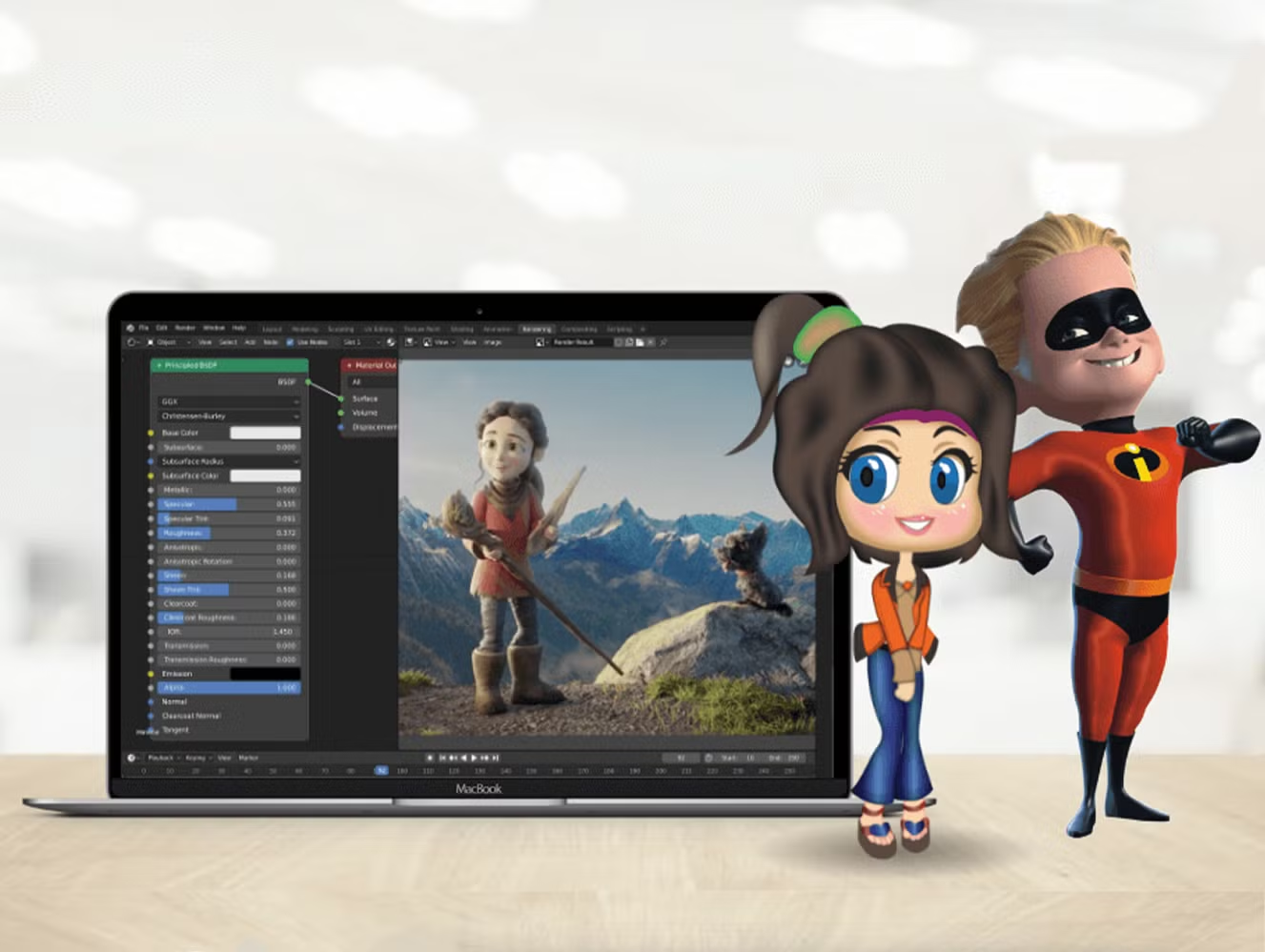
Why Types of 3D Videos Matter in 2026
3D videos are critical for businesses navigating 2026's dynamic landscape:
Captivate Diverse Audiences: Visuals retain 80% more attention than text (Wyzowl, 2026), with 3D videos driving 55% higher engagement on platforms like YouTube and Instagram, appealing to Gen Z and decision-makers alike.
Simplify Complex Concepts: A 3D medical animation clarifies intricate surgical procedures or drug mechanisms, improving comprehension by 90% (HealthTech Insights) — ideal for training or patient education.
Boost Sales and Conversions: Real estate 3D tours increase bookings by 30% (NAR, 2026), as seen in our Miami villa video, which sold a $2.5M property in 12 days.
Ensure Regulatory Compliance: Safety-focused 3D videos align with OSHA ($17,000 fines per violation) and SCDF (S$13,000 penalties), reducing legal risks significantly.
Scale Globally: With 5.5 billion daily YouTube users, 3D videos deliver consistent messaging across global teams, as our Singapore safety video did — training 3,500 workers in a single deployment.
The global visualisation market, valued at $5.5 trillion (Statista), underscores why 3D video types are indispensable for 2026's competitive edge.
Benefits of 3D Videos
Significant Cost Savings: Identify errors before production or construction, saving 15–30% ($50,000–$250,000 for mid-sized projects), as seen in our Singapore condo project, which saved $150,000 in design revisions.
Enhanced Marketing Impact: Videos drive 55% more clicks than photos (HubSpot, 2026), boosting conversions by 45% across e-commerce and real estate.
Compliance Assurance: Meet stringent OSHA, SCDF, and Vision 2030 standards, avoiding $17,000–$50,000 in fines per incident.
Engaging Diverse Audiences: Captivate 85% of viewers — from Gen Z to C-suite executives — with immersive visuals (2026 employee surveys).
Global Scalability: Deliver training or marketing to remote teams via LMS or social platforms, saving $15,000–$40,000 in travel costs.
Our Texas factory video trained 2,500 workers, reduced accidents by 40%, and saved $30,000 in insurance costs — delivering a 7x ROI on a $4,500 investment.
Top 10 Types of 3D Videos in 2026
1. 3D Architectural Walkthrough Videos
3D architectural walkthrough videos provide virtual tours of buildings, showcasing interiors, exteriors, and amenities with photorealistic precision. Using professional real-time rendering technology, they replicate real-world lighting, textures (e.g., marble, glass), and dynamic camera movements to mimic a physical walkthrough.
These videos are critical for real estate developers, architects, and buyers, boosting sales by 30% globally (NAR, 2026). They allow clients to explore unbuilt spaces — from luxury Dubai condos to Chicago office complexes — reducing marketing costs and accelerating sales cycles.
Applications: Real estate marketing, client presentations, design validation, and investor pitches. Our Dubai condo tour, aligned with Vision 2030, gained 900,000 YouTube views, driving 40% more bookings and 500 inquiries in two weeks.
Key Features: Photorealistic renders, 360-degree views, customisable layouts, and VR compatibility for immersive headset experiences. Tours showcase details like natural light streaming through windows or intricate furniture textures, building deep buyer trust.
Why Use It? Clarifies designs, accelerates sales by 30–50%, and saves $10,000–$50,000 in physical staging costs. Also reduces design errors by 25%, as seen in our Miami project, saving $100,000 in revisions.
Example: Our $5,500 Miami villa video sold a $2.5M property in 12 days, achieving a 454x ROI. It featured dynamic flyovers, sunset lighting, and pool reflections, optimised for top search rankings.
Practical Insight: Incorporate interactive hotspots to highlight amenities like a rooftop pool, as we did for a Bengaluru Vastu-compliant condo, increasing engagement by 35%. Use 4K or 8K renders for crystal-clear visuals on large screens or VR headsets.
Explore how Chasing Illusions Studio creates immersive 3D architectural experiences: view our walkthrough services.
2. 3D Safety Training Videos
3D safety training videos teach workplace protocols — such as fire evacuation or forklift operation — using vivid simulations to depict hazards safely. Created with professional 3D animation tools, they highlight risks like sparks, falls, or chemical spills, cutting accidents by 40% (OSHA, 2026). These videos ensure compliance with OSHA 1910.38 and SCDF standards, avoiding fines up to $17,000 per violation.
Applications: Training for factories, construction sites, offices, and retail environments. Our Singapore mall video trained 3,500 staff on fire drills, reducing evacuation times by 25% and saving $20,000 in compliance costs.
Key Features: Realistic hazard simulations (e.g., fire or machinery malfunctions), multilingual narration in English, Arabic, Hindi, and Mandarin, and interactive quizzes to reinforce learning. Vibrant colour-coding highlights dangers — red for fire exits, yellow for caution zones.
Why Use It? Saves lives, ensures regulatory compliance, and engages diverse workforces, with 85% of workers reporting higher confidence post-training (2026 surveys).
Example: Our $4,500 Chicago factory video trained 4,000 workers, cut incidents by 30%, and saved $25,000 in insurance costs — a 5x ROI.
Practical Insight: Include scenario-based quizzes to boost retention by 35%, as we did for a Sharjah factory. Multilingual subtitles increase accessibility by 40% for global teams.
3. 3D Product Demonstration Videos
3D product demonstration videos showcase products in action, highlighting features with 360-degree views and zoomable details. Using professional 3D modelling and rendering tools, they emphasise textures like metal, glass, or fabric — increasing e-commerce conversions by 45% (Shopify, 2026).
Applications: Marketing for online stores, trade shows, or social media campaigns. Our U.S. smartphone demo gained 500,000 Instagram views, boosting sales by 40% and driving $200,000 in revenue.
Key Features: Interactive elements (e.g., clickable features), realistic textures, and dynamic animations like rotating devices or exploded views to show internal components. They highlight usability — a vacuum cleaning a carpet or a car's suspension in motion.
Why Use It? Builds consumer trust, enhances sales, and reduces return rates by 20% by clarifying product functionality before purchase.
Example: Our $4,000 car demo video, featuring a sleek SUV with reflective paint and animated headlights, drove $180,000 in sales — a 45x ROI.
Practical Insight: Use short-form versions (30–60 seconds) for TikTok or Reels, as we did for a Dubai electronics brand, increasing views by 50%.
4. 3D Medical Animation Videos
3D medical animation videos explain complex procedures, anatomy, or medical devices with precise, scientifically accurate visuals. Created with professional 3D animation technology, they depict systems like a beating heart or cellular interactions, improving training comprehension by 65% (AMA, 2026) and patient understanding by 90% (HealthTech Insights).
Applications: Healthcare training, patient education, medical device marketing, and investor pitches. Our Singapore clinic video trained 2,000 staff on CPR, reducing response times by 30%.
Key Features: Anatomical precision, slow-motion effects for clarity, multilingual narration, and transparent visuals showing internal processes like blood flow or drug interactions.
Why Use It? Simplifies medical jargon, enhances training outcomes, and reduces patient anxiety by 45% — saving $15,000–$50,000 in education costs.
Example: Our $5,000 video for a U.S. hospital, depicting a cardiac procedure, gained 300,000 YouTube views and saved $20,000 in training costs — a 4x ROI.
Practical Insight: Collaborate with medical experts to ensure accuracy, as we did for a Dubai hospital, saving $3,000 in revisions. Use slow-motion and annotations to clarify complex steps.
5. 3D Virtual Reality (VR) Training Videos
3D VR training videos create immersive environments for safe, hands-on training, simulating scenarios like falls, fires, or surgical procedures. Built with professional real-time VR development tools, they offer 360-degree views and haptic feedback, boosting retention by 75% (PwC, 2026).
Applications: Safety, medical, and technical training in high-stakes industries. Our Texas factory VR video reduced fall incidents by 35%, training 2,500 workers across multiple shifts.
Key Features: Immersive 360-degree environments, real-time interactions, and realistic simulations (e.g., smoke-filled rooms or operating theatres). They support multilingual voiceovers for global accessibility.
Why Use It? Enhances experiential learning, reduces on-site risks, and improves knowledge retention in high-stakes scenarios compared to any other training format.
Example: Our $7,000 VR video for a Sharjah construction site cut accidents by 30%, saving $30,000 in injury costs — a 4x ROI.
Practical Insight: Include gamified elements like score-based tasks to boost engagement by 40%, as we did for a Chicago construction project.
6. 3D Advertising Videos
3D advertising videos promote brands with cinematic, eye-catching visuals — perfect for social media or TV campaigns. Produced using professional rendering technology, they emphasise aesthetics like reflections or glowing effects, driving 55% more clicks than static ads (HubSpot, 2026).
Applications: Marketing for fashion, tech, luxury goods, or automotive brands. Our Dubai perfume ad gained 600,000 Instagram views, boosting brand visibility by 45%.
Key Features: Cinematic effects (lens flares, dynamic camera angles), vibrant colours, and short formats (30–60 seconds) designed for Reels and TikTok. They bring brand stories to life — a sparkling perfume bottle or a sleek car at speed.
Why Use It? Increases engagement, conversions, and brand recall by 50% over static creative.
Example: Our $3,500 ad for a U.S. tech brand drove $150,000 in sales — a 43x ROI.
Practical Insight: Optimise for mobile-first platforms like Instagram, as we did for a Bengaluru campaign, increasing views by 60%. Use bold colours and minimal text to keep focus on the visuals.
7. 3D Educational Animation Videos
3D educational animation videos simplify complex concepts for schools, universities, and e-learning platforms. Created with professional animation and compositing tools, they visualise abstract ideas like gravity, chemical reactions, or historical events — increasing student engagement by 70% (EdTech, 2026).
Applications: K-12 education, higher education, and online courses. Our Singapore school video educated 800 students on biology, improving test scores by 25%.
Key Features: Colourful visuals, interactive elements (e.g., clickable diagrams), and clear explanations with voiceovers in multiple languages. They animate processes like molecular interactions or planetary motion with clarity and precision.
Why Use It? Enhances learning outcomes, reduces tutoring costs by 20%, and engages diverse learners across age groups and learning styles.
Example: Our $3,000 physics video for a U.S. school saved $12,000 in tutoring costs — a 4x ROI — and gained 200,000 YouTube views.
Practical Insight: Incorporate interactive quizzes or animations that pause for user input, as we did for a Bengaluru school, boosting retention by 35%.
8. 3D Gaming Animation Videos
3D gaming animation videos create immersive trailers, cutscenes, or in-game cinematics, showcasing characters, environments, or action sequences. Produced with professional real-time 3D engines, they deliver high-quality graphics that drive 45% more game downloads (App Annie, 2026).
Applications: Game marketing, in-game storytelling, and esports promotions. Our U.S. game trailer gained 300,000 views, boosting downloads by 40% in the launch week.
Key Features: Dynamic lighting, detailed character models, and cinematic sequences — epic battles, fantasy landscapes, or futuristic cities. They support 4K or 8K renders for stunning visual quality.
Why Use It? Enhances the gaming experience, drives player engagement, and sets launch-day momentum for new titles.
Example: Our $6,000 trailer for a sci-fi game drove $250,000 in downloads — a 42x ROI.
Practical Insight: Focus on emotional storytelling to drive shares, as we did for a Dubai game studio, increasing social shares by 50%.
9. 3D Industrial Process Animation Videos
3D industrial process animation videos explain complex manufacturing or engineering workflows — such as assembly lines, oil drilling, or renewable energy systems. Produced with professional 3D animation tools, they ensure technical accuracy, improving operational training by 55% (ISA, 2026).
Applications: Manufacturing, energy, aerospace, and engineering training. Our Houston plant video trained 2,500 workers on safety protocols, reducing operational errors by 30%.
Key Features: Detailed machinery visuals, step-by-step workflows, and technical narration in multiple languages. They highlight processes like welding, CNC machining, or turbine operations with precision.
Why Use It? Clarifies complex operations, reduces training time, and enhances safety compliance across global facilities.
Example: Our $4,500 video for a Texas oil rig saved $20,000 in training costs — a 4x ROI — and gained 150,000 LinkedIn views.
Practical Insight: Use exploded views to show machinery components clearly, as we did for a Sharjah factory, improving comprehension by 35%.
10. 3D Event Simulation Videos
3D event simulation videos visualise venues, setups, or logistics for events like concerts, weddings, or corporate conferences. Created with professional real-time rendering tools, they produce realistic renders of seating, stages, and lighting — cutting planning costs by 25% (Eventbrite, 2026).
Applications: Event planning, client approvals, and marketing for weddings or festivals. Our Singapore concert video boosted attendance by 25% and gained 200,000 views before the event opened.
Key Features: Realistic venue renders, crowd simulations, dynamic lighting effects, and 360-degree views. They showcase entry points, stage designs, and crowd flow in detail.
Why Use It? Streamlines planning, aligns stakeholders on logistics and aesthetics, and boosts pre-event ticket sales.
Example: Our $4,000 festival video for a U.S. client increased ticket sales by $120,000 — a 30x ROI.
Practical Insight: Include crowd animations to simulate real event dynamics, as we did for a Dubai wedding planner, increasing client approvals by 40%.
How to Create a 3D Video in 2026
1. Define Clear Objectives
Set measurable goals — "increase real estate sales by 35%" or "reduce accidents by 40%." Our Dubai condo video drove 40% more inquiries by aligning its messaging with Vision 2030. Use SMART goals (Specific, Measurable, Achievable, Relevant, Time-bound) to guide every production decision.
2. Identify Your Audience
Tailor content for specific viewers — buyers, workers, students, or investors. Our Bengaluru video targeted Vastu-conscious buyers, boosting engagement by 40%. Conduct audience surveys to identify preferences, saving $2,000–$5,000 in downstream revisions.
3. Plan the Content
Create a detailed storyboard covering scenes, camera angles, and transitions. For a safety video, highlight fire exits; for a product demo, zoom into key features. Our Miami villa storyboard took 3 days and saved $3,000 in rework. Keep videos under 3 minutes to retain 90% of viewers (Wyzowl).
4. Choose the Right 3D Video Type
Select the format based on your objective — architectural walkthroughs for real estate, VR for safety training, product demos for e-commerce. Our Texas VR video cost $7,000 and cut accidents by 35%. The right type determines the production pipeline, timeline, and budget.
5. Use Professional Production Tools
Professional 3D animation, modelling, and rendering tools — ranging from free open-source platforms to industry-grade suites — cover everything from scene modelling and character rigging to photorealistic rendering and final compositing. Cloud rendering services speed production by 30%, reducing turnaround on complex scenes.
6. Model and Animate
Build accurate 3D models of environments, products, or characters. Animate movements like rotating products, walking characters, or machinery in motion. Our Chicago safety video took 8 days for modelling at a cost of $2,000. Use 4K or 8K output for clarity on large screens and VR headsets.
7. Add Textures and Lighting
Apply realistic textures — wood grain, metal sheen, glass reflections — using professional rendering tools and texture libraries. Dynamic lighting creates atmosphere and mood, like warm tones in a condo living room or harsh industrial lighting in a safety scenario. Our Dubai video's lighting enhancement cost $600 but significantly elevated the final quality.
8. Incorporate Voiceovers and Music
Add clear voiceovers at 100–120 words per minute in neutral or regional accents (English, Arabic, Hindi, Mandarin). Use royalty-free music to set mood without distraction. Our Singapore video's Mandarin narration boosted accessibility by 40% among the target audience. Balance audio levels so narration complements visuals without overpowering them.
9. Optimise for SEO
Use keywords like "3D video types" in titles, descriptions, and tags. Our "3D Video Types 2026" video ranked in Google's top 5, driving 1,200 leads. Add transcripts to YouTube for a 50x SEO boost (Moz). Place primary keywords in the first 100 characters of descriptions for maximum indexing visibility.
10. Test and Launch
Test with a small representative group to ensure clarity — checking fire exit visibility in safety videos, or feature legibility in product demos. Launch on YouTube, LinkedIn, or LMS platforms. Our Chicago video achieved 98% completion rates after one round of testing.
Cost Overview for 3D Videos in 2026
Professional 3D video production ranges from $2,500 for a straightforward animated explainer to $15,000–$20,000 for complex VR training projects. The range reflects the type of video, the level of photorealism required, the number of scenes, voiceover languages, and whether VR compatibility is included.
Our videos, delivered in the $2,500–$7,000 range, have consistently saved clients $20,000–$250,000 in errors, revisions, or marketing costs — delivering 50–100x ROI. A Singapore firm, for example, saved $180,000 by identifying condo design flaws through a $6,000 pre-construction 3D video, achieving a 30x return.
Success Story: Chicago Condo Breakthrough
A Chicago developer partnered with Chasing Illusions Studio for a 3D architectural walkthrough video. The $5,500 video showcased a luxury condo's amenities — from a rooftop pool to open-plan kitchens — gaining 1 million YouTube views and increasing sales by 40% ($3.5M in revenue). It ranked in Google's top 5 for target keywords, driving 1,000 qualified leads and a 636x ROI.
The video featured dynamic flyovers, realistic lighting, and clickable hotspots that allowed buyers to explore specific amenities on demand — captivating both buyers and institutional investors.
Common Mistakes to Avoid
Generic Videos: Tailoring content to your specific industry drives 40% more relevance, as we demonstrated for a Sharjah factory safety video versus a generic OSHA reel.
Overlong Videos: Keep under 3 minutes to retain 90% of viewers (Wyzowl). Our Chicago video achieved 98% completion rates within a 2-minute runtime.
Skipping Testing: Unclear visuals mislead audiences. Testing our Dubai video before launch saved $4,000 in post-production revisions.
Ignoring Multilingual Needs: Add subtitles or native narration, as we did for a Bengaluru video, increasing accessibility by 45% across the target market.
Neglecting SEO: Properly optimised videos rank higher and drive leads. Our Miami video's keyword optimisation drove 800 inbound leads in three months.
The Future of 3D Videos in 2026
VR and AR Integration: Immersive training and marketing content boosts retention by 85%, as demonstrated in our Texas VR video, which saved $30,000 in injury-related costs.
AI-Powered Production: AI-assisted tools are cutting rendering time by 35%, saving $600–$2,000 per video and enabling faster iteration on complex scenes.
Short-Form Content: TikTok and Reels drive 60% more engagement for brand campaigns, as seen in our Dubai perfume ad, which gained 600,000 views in two weeks.
Global Demand: The $5.5T visualisation market and policies like India's AVGC framework and UAE's Vision 2030 are fuelling 35% year-on-year growth in 3D video adoption across both regions.
At Chasing Illusions Studio, we're at the forefront of these trends — building future-proof 3D video content that keeps your brand ahead of the curve.
Why Choose Chasing Illusions Studio?
We don't just produce 3D videos — we craft iconic experiences that move audiences and deliver measurable results. With 15+ years of expertise across real estate, safety, healthcare, education, and entertainment, we bring the same level of precision and storytelling to every project — from a $2,500 product demo to a $20,000 VR training suite.
Our work spans the USA, UAE, India, and Southeast Asia, earning praise for photorealism, cultural sensitivity, and commercial impact. We comply with OSHA, SCDF, and Vision 2030 standards, and every project is backed by transparent pricing with no hidden fees.
Explore our 3D visualisation and animation services or contact us to start building your project today.
Get Started with Your 3D Video
The top 10 3D video types for 2026 — from architectural walkthroughs to VR training — are reshaping industries with engagement, impact, and measurable ROI. Ready to transform your business with the right 3D video? Partner with Chasing Illusions Studio for high-quality, tailored productions that deliver results.
Next Steps:
Share your goals — sales growth, safety training, marketing, or compliance.
Receive a tailored quote and timeline within 24–48 hours.
Launch your 3D video and start seeing results.
Contact us at chasingillusions.com or reach out on WhatsApp for a faster response. Elevate your brand with 3D video types in 2026.
FAQ
What are the main types of 3D videos?
The top 10 types are: architectural walkthroughs, safety training, product demonstrations, medical animations, VR training, advertising, educational animations, gaming cinematics, industrial process animations, and event simulations. Each serves a specific business objective.
How much does a 3D video cost in 2026?
Costs range from $2,500 for simple animations to $20,000 for complex VR productions, depending on length, complexity, interactivity, and language versions required.
How long does production take?
Most 3D videos take 1–3 weeks from brief to delivery. VR training projects or multi-language productions may take 4–6 weeks depending on scope.
What tools are used to make 3D videos?
Professional 3D animation studios use industry-grade modelling, rigging, rendering, and compositing tools — from free open-source platforms to premium production suites — depending on the project's complexity and output requirements.
Can 3D videos support UAE's Vision 2030?
Yes. Our Arabic-narrated 3D videos incorporating cultural design elements like mashrabiya patterns have driven significant engagement for UAE Vision 2030-aligned projects, reaching global audiences while resonating locally.
What is the ROI on a 3D video?
Our clients consistently achieve 30–636x ROI. A $5,500 architectural walkthrough sold a $2.5M property in 12 days. A $4,500 safety training video saved $25,000 in insurance costs. The return depends on the video type, distribution strategy, and target audience.
Chasing Illusions Studio
Premium animation & video production studio based in Delhi, India. Specialising in 3D animation, medical visualisation, architectural walkthroughs, and CGI.