Healthcare educators everywhere face the same challenge: how do you help learners truly see and understand complex procedures before they touch a real patient? In overloaded clinical environments, traditional lectures and sporadic bedside teaching often leave gaps in confidence, consistency, and patient safety. Medical animation for clinical skills development bridges this gap by turning invisible mechanisms, intricate anatomy, and step‑by‑step procedures into clear, repeatable visual experiences learners can revisit anytime.
Defining Medical Animation for Clinical Skills Development
According to study, involvement of 2d or 3d animated content in medical education, helped clinical training videos, and interactive medical learning modules to teach procedures, anatomy, decision-making, and patient care workflows to healthcare professionals. It combines visual storytelling, medical instructional design, and evidence-based learning principles to support skills-based learning, continuing medical education (CME), and healthcare workforce training across multiple specialties.
According to a research of 13 studies, 10 studies found good understanding in knowledge, served the content in cartoon animation or 2d/3d animation. Out of, 8 studies showed greater knowledge in animated content. Positive results showed in 3 studies with attitudes and cognitions.
Why Visual Learning Matters in Healthcare?
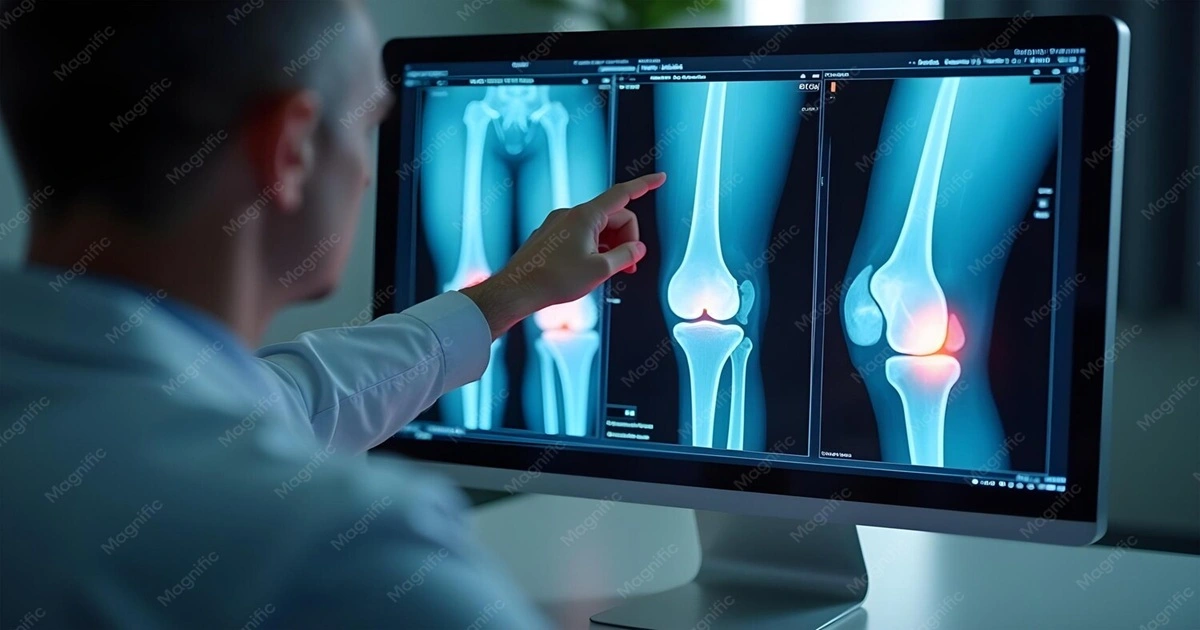
Medicine is inherently visual—diagnosis and treatment depend on recognizing anatomical structures, patterns in imaging, and subtle clinical signs, which makes visual learning in healthcare a natural fit for clinical skills training. Image-based learning has been shown to improve retention, comprehension, and clinical reasoning by helping learners connect theoretical concepts to realistic scenarios, enhancing clinical acumen and patient care improvement.
Evidence Supporting Medical Animation in Clinical Training
Multiple studies report that videos and animated media improve comprehension and procedural adherence in clinical skills teaching, leading to superior performance compared with text-only or lecture-based formats. A systematic review of video animations in healthcare education found that animations often produce better knowledge gains than static images or traditional video demonstrations when carefully aligned with learning objectives. Research in surgical education shows animated videos can significantly improve understanding of anatomic relationships and procedural steps, supporting better learning outcomes in operative training.
Medical Animation for Clinical Skills Development: Core Benefits
Medical animation for clinical skills development simplifies complex procedures and pathophysiology by visualizing them step by step, reducing cognitive load and making abstract concepts more concrete. It boosts learner engagement through dynamic visual cues, narration, and interactivity, which are known to strengthen memory via dual coding (text plus visuals) and improve knowledge retention over time. Well-designed healthcare training animation also supports patient safety by allowing learners to practice mental rehearsal and clinical decision-making in a risk-free environment before working with real patients.
Use Cases Across Clinical Skills Training
Medical animation is versatile and can be applied from undergraduate medical education to in‑service training for experienced clinicians, making it a powerful healthcare education tool. Below are key domains where clinical skills training significantly benefits from medical visualization.
Surgical and Procedural Training
According to a study, 3D medical animation can break down complex surgical procedures into clear phases—pre‑operative preparation, procedural steps, intra‑operative decision points, and post‑operative care—making procedural training more structured and repeatable. Learners can pause, replay, and zoom in on anatomy animation and surgical training sequences, supporting safer skills-based learning before simulation labs or operating room exposure.
Anatomy and Physiology Education
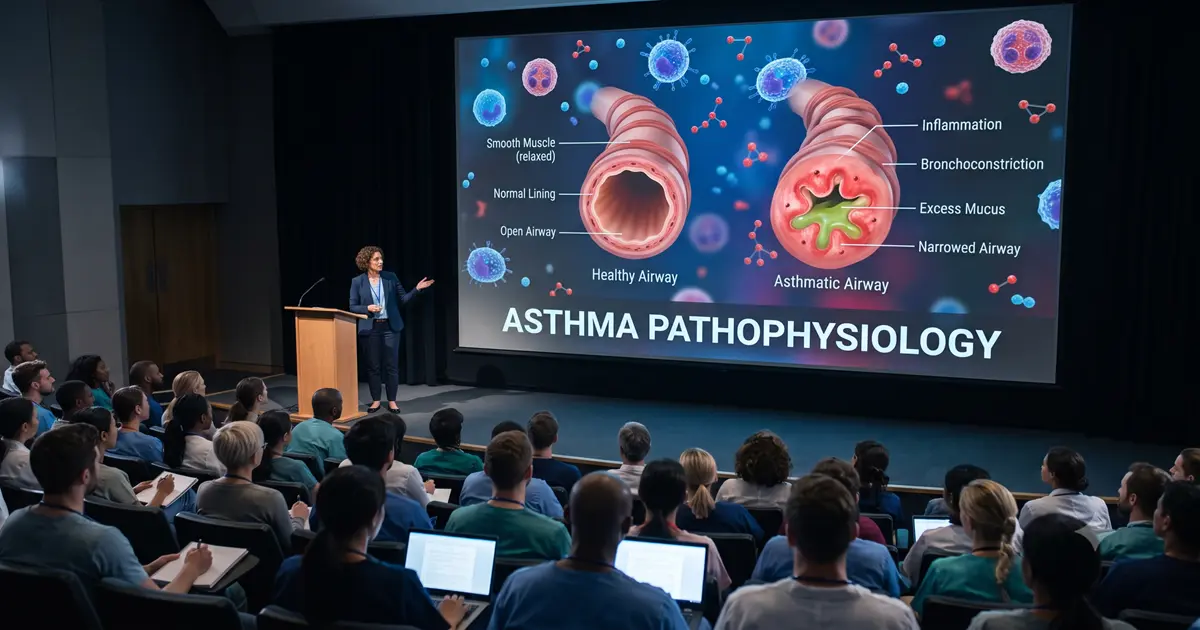
Anatomy education often relies on static diagrams and cadaveric teaching, but medical visualization using high-fidelity anatomy animation allows learners to see structures in motion and in relation to each other. Animated medical learning videos can demonstrate physiology, pathology progression, and pharmacodynamics in ways that text alone cannot, strengthening conceptual understanding for medical students, nursing education programs, and physician training alike.
Emergency and High-Risk Scenario Simulation
Medical simulation and clinical procedure animation are especially valuable in trauma, cardiac arrest, respiratory failure, and other high-risk scenarios where real-life practice is limited and risk is high. Animated emergency workflows and healthcare simulation training modules can guide clinicians through decision trees, team communication, and time-critical interventions, reinforcing clinical competency and patient safety.
Medical Devices and Pharmacology
Medical device companies and pharmaceutical organizations increasingly use medical education animation to explain device operation, injection techniques, or mechanism of action at the cellular level. These medical learning videos support both clinician training and patient education by translating complex mechanisms into intuitive visuals, improving treatment adherence and clinical decision-making.
Explore our 3d medical animation portfolio.
Instructional Design Principles for Effective Healthcare Training Animation
To ensure medical animation truly accelerates clinical skills training, it must follow solid instructional design and evidence-based learning principles rather than simply looking impressive.
Aligning Animations with Learning Objectives
Animations should map directly to clearly defined competencies such as specific procedural skills, clinical decision-making steps, or communication behaviors in patient care. When each segment of a clinical training video is tied to measurable learning outcomes and assessment criteria, educators can better integrate it into curricula and evaluate its impact on clinical education.
Balancing Cognitive Load and Detail
Cognitive Load Theory shows that overloading working memory reduces long-term knowledge retention, especially in complex fields like medicine. Effective medical animation simplifies visuals to focus on key steps, highlights critical anatomy, and sequences information logically, helping learners process new information without being overwhelmed.
Interactivity, Feedback, and Assessment
Interactive medical learning tools—such as clickable hotspots, branching scenarios, or embedded quizzes—prompt learners to interpret visuals, make choices, and receive feedback, transforming passive watching into active learning. When combined with OSCE-style checklists, simulation assessments, or competency-based rubrics, these features strengthen evidence-based learning and support continuing medical education.
Integrating Medical Animation into Clinical Education Programs
For medical animation to deliver maximum value, it should be strategically integrated into broader teaching pathways rather than used as a stand‑alone resource.
For Hospitals and Healthcare Organizations
Hospitals can embed clinical skills training animations into onboarding programs, procedural credentialing, and patient safety campaigns, ensuring consistent standards across multidisciplinary teams. Healthcare workforce training platforms that combine medical animation with simulation, checklists, and team debriefs can reinforce protocols for infection control, device use, and emergency response.
For Medical Schools and Universities
Medical schools can weave medical animation into problem-based learning (PBL), electronic-PBL sessions, and flipped classrooms to illustrate clinical examination techniques, imaging interpretation, and procedural reasoning. Studies show that audiovisual aids embedded in electronic-PBL improve student engagement and perceived learning quality, even if OSCE scores do not always change immediately, making them a valuable complement to traditional rotations.
For Nursing Colleges and Allied Health Programs
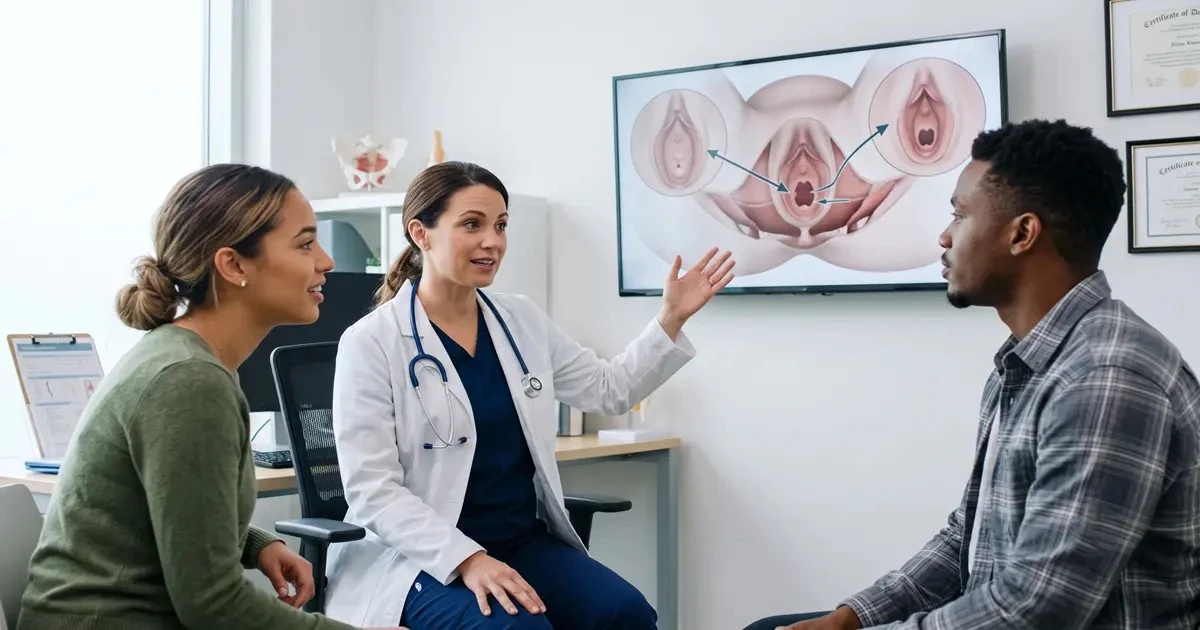
Nursing education and allied health training benefit from clinical procedure animation demonstrating practical skills such as IV insertion, wound care, catheterization, and monitoring workflows. These medical eLearning resources can help standardize skills-based learning across large cohorts, supporting patient safety by reducing variation in technique.
For Pharmaceutical and Medical Device Companies
Pharmaceutical and medical device companies can collaborate with clinical education teams to develop healthcare training animation that explains product use in real-world clinical contexts, not just in marketing language. Such materials support healthcare professional education by clarifying indications, contraindications, and stepwise usage, enhancing clinical decision-making and patient care improvement.
Technology and Production Considerations
Behind effective medical animation lies a combination of visual technology, subject-matter expertise, and rigorous review.
2D vs 3D Medical Animation
2D medical animation is often suitable for conceptual explanations, guidelines overviews, and simple anatomy education, requiring fewer resources while still supporting visual learning in healthcare. According to study, 3D medical animation, though more resource-intensive, is ideal for surgical training, complex anatomy visualization, and realistic simulation training, especially when learners must understand spatial relationships and procedural ergonomics.
Medical Simulation and eLearning Platforms
When medical animation is integrated into simulation platforms—from desktop modules to high-fidelity mannequins—it can serve as a pre‑briefing tool that prepares learners before hands-on practice. Coupled with learning management systems (LMS), medical eLearning modules can track completion, performance, and reflective practice, supporting continuing medical education and regulatory compliance.
Measuring Impact on Clinical Competency and Patient Safety
To justify investment, hospitals and universities must evaluate how medical animation influences clinical competency, clinical reasoning, and patient outcomes.
Studies on image-based e-learning show major gains in diagnostic accuracy—for example, chest radiography accuracy improving from 34.5% to 72.7% after two weeks of structured visual training. Research on digital clinical skills training using videos and animation has demonstrated superior procedural adherence and improved performance compared to traditional methods, suggesting that visual tools can positively influence real-world patient care.
Common Challenges and How to Address Them
Educators sometimes worry that learners may become passive viewers rather than active practitioners if animation is overused or poorly integrated. This risk can be mitigated by pairing medical animation with simulation practice, clinical case discussions, and supervised skills labs, ensuring that visual learning translates into hands-on competence.
Another challenge is ensuring scientific accuracy and avoiding oversimplification that could mislead learners. Effective collaborations between clinicians, medical illustrators, and specialized studios such as Chasing Illusions Studio help maintain fidelity to guidelines, anatomy, and evidence-based protocols while keeping visuals accessible.
Future Trends in Digital Healthcare Education
Advances in digital healthcare education are making medical animation more immersive, personalized, and data-driven. Emerging tools combine interactive visuals with clinical reasoning exercises, adaptive pathways, and analytics dashboards, allowing educators to monitor learner engagement, knowledge retention, and clinical decision-making over time.
As AI and extended reality mature, medical simulation is likely to incorporate real-time feedback, scenario branching, and virtual patients, further embedding medical visualization into everyday clinical skills training.
FAQs on Medical Animation for Clinical Skills Training
What is medical animation in clinical education?
Medical animation in clinical education is the use of scientifically accurate 2D and 3D visuals to explain procedures, anatomy, disease mechanisms, and patient care workflows to healthcare learners. It supports clinical skills training by turning complex, dynamic processes into clear, repeatable visual experiences that can be integrated into medical eLearning and simulation training.
How does medical animation improve knowledge retention?
Medical animation improves knowledge retention by leveraging dual coding—combining text or audio explanations with interactive visuals—which activates multiple memory pathways and strengthens recall. Image-based learning has been shown to significantly enhance diagnostic accuracy and long-term comprehension when learners actively engage with visuals rather than passively viewing them.
Is medical animation useful beyond medical students?
Yes, medical animation for clinical skills development is valuable for doctors and physicians, nurses, allied health professionals, medical students, and clinical education teams across hospitals and industry. It supports continuing medical education and healthcare workforce training by updating clinicians on new procedures, technologies, and guidelines through clear visual narratives.
How does animation fit into simulation-based training?
Animation can serve as a pre‑simulation briefing tool, introducing key anatomy, steps, and decision points before learners enter a simulated scenario. When aligned with simulation objectives and debriefs, medical animation reinforces clinical reasoning, procedural confidence, and patient safety outcomes.
What makes a good healthcare training animation?
Effective healthcare training animation is medically accurate, aligned with specific learning objectives, paced to manage cognitive load, and designed to encourage active interpretation and reflection. It also integrates with assessments, OSCEs, or simulation activities so educators can measure its impact on clinical competency and skills-based learning.
Conclusion:
Clinical skills are built through a combination of knowledge, practice, and reflection—and medical animation accelerates this process by making complex procedures and mechanisms visible, memorable, and repeatable. When grounded in evidence-based learning principles and integrated into medical simulation, PBL, and healthcare education pathways, medical animation for clinical skills development can enhance clinical competency, improve diagnostic accuracy, and support safer patient care across the healthcare system.
What's Next?
If your institution is exploring ways to enrich clinical skills training with high-impact visual learning, consider partnering with best medical educators animation studios like Chasing Illusions Studio. Thoughtfully planned medical animation, combined with structured assessment and simulation, can become a long-term asset in your hospital, medical school, or healthcare organization’s education strategy.
Book a discovery 20-minutes strategy call.
📞 +91-9910911696 | +91-9910660851
📩 info [@] chasingillusions [.] in
Written by Deepak, Healthcare Content Strategist at Chasing Illusions Studio. Our clients include Ambler Surgical, Practo, Bayer, SMT, Novartis, and 100+ healthcare brands across India, USA, Thailand, and the UK.
Last Updated: July 06 2026 | Chasing Illusions Studio
Chasing Illusions Studio
Premium animation & video production studio based in Delhi, India. Specialising in 3D animation, medical visualisation, architectural walkthroughs, and CGI.