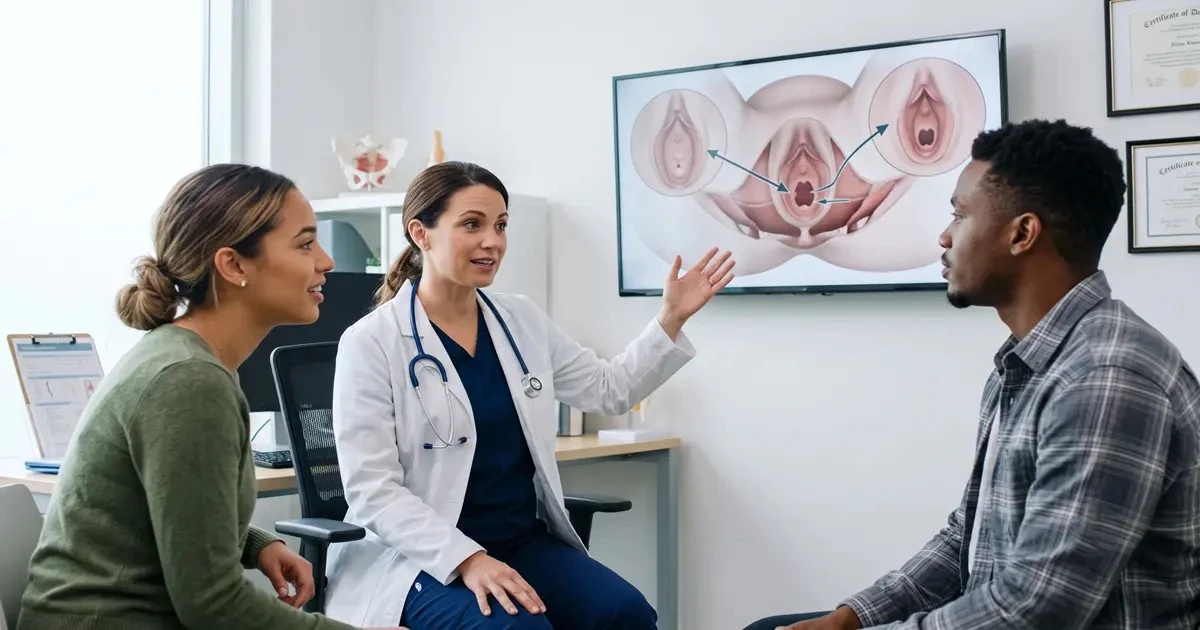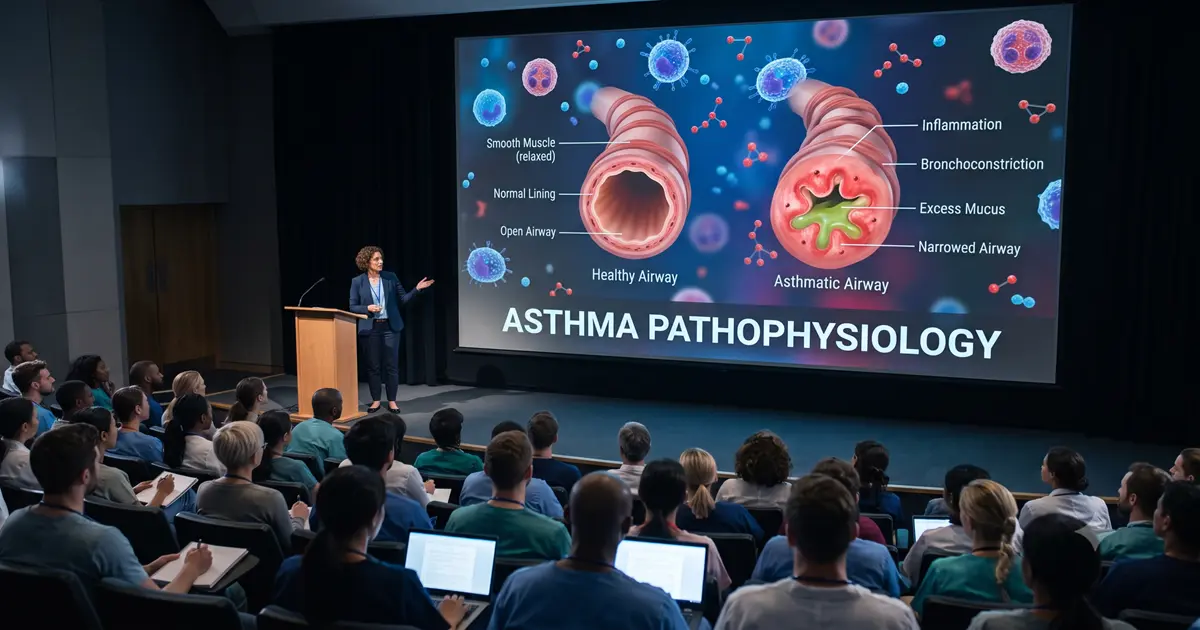
Imagine onboarding 200 new nurses across five hospital campuses simultaneously — same content, same quality, zero scheduling conflicts. That's not a future scenario; it's what modern healthcare training videos make possible today. Yet many healthcare organizations are still spending millions on in-person instructor-led sessions that are difficult to scale, nearly impossible to standardize, and expensive to repeat.
The question isn't whether video-based learning works. The question is: can your organization afford not to adopt it?
This guide breaks down the business case — with real data, strategic reasoning, and practical context — for healthcare executives, L&D managers, HR directors, and clinical education leaders evaluating their next training investment.
According to research, the global healthcare e-learning services market was valued at USD 11.10 billion in 2024 and is projected to grow at a CAGR of 14.58% through 2030, reaching approximately USD 24.45 billion — driven by demand for scalable compliance training, digital skill development, and clinical education across hospitals, pharma firms, and medical device companies.
Why Traditional Healthcare Training Is Failing the Modern Workforce?
Healthcare is one of the most training-intensive industries in the world. Clinical protocols change. Compliance requirements evolve. New medical devices require hands-on understanding. And yet, the dominant training model — instructor-led, classroom-based, time-blocked — was designed for a workforce that no longer exists.
Here's what the data reveals:
The Association for Talent Development (ATD) estimates that healthcare organizations spend an average of $1,200–$1,800 per employee annually on training — much of it on logistics, not learning.
Gallup research shows that disengaged employees — often a product of ineffective training — cost organizations up to $1 trillion per year in lost productivity.
A 2023 Healthcare Learning & Development Benchmark Report found that 68% of healthcare L&D leaders cited scalability as their biggest training challenge.
The real cost isn't just financial. Undertrained staff contributes to medical errors, compliance violations, and higher turnover. In an industry where mistakes can cost lives — and lawsuits — training quality is directly tied to patient outcomes and organizational liability.
What Are Healthcare Training Videos — and Why Do They Work?
Healthcare training videos are professionally produced, instructional video content designed to educate clinical staff, administrators, compliance officers, and support teams. They range from animated explainer videos and medical procedure walkthroughs to compliance training modules and onboarding series.
Unlike static PDFs or PowerPoint decks, video engages multiple senses simultaneously. Cognitive science backs this up:
The dual-coding theory (Paivio, 1971) shows that information presented in both visual and verbal formats improves retention by up to 65% compared to text alone.
Forbes reports that employees are 75% more likely to watch a video than read documentation.
Research published in the Journal of Medical Education found that video-based learning for healthcare professionals resulted in a 23% improvement in procedural accuracy compared to traditional instruction.
The format works because it mirrors how modern learners actually consume information — on-demand, self-paced, and repeatable.
The Measurable ROI of Healthcare Training Videos
Reducing Cost Per Training Hour
One of the most compelling arguments for healthcare eLearning solutions is the dramatic reduction in cost-per-training-hour. A Brandon Hall Group study found that organizations switching from instructor-led to video-based learning reduced training costs by 40–60% — primarily by eliminating venue costs, trainer fees, travel expenses, and scheduling overhead.
For a 500-person hospital, that can translate to $300,000–$600,000 in annual savings — funds that can be redirected toward patient care, equipment, or recruitment.
Standardization Across Locations
Multi-facility healthcare systems face a painful consistency problem: what nurses learn at Hospital A may differ significantly from what's taught at Hospital B. Video-based healthcare training solves this by delivering the same certified content to every employee, every time — regardless of geography.
This standardization directly impacts:
Compliance audit readiness — consistent training records across all locations
Patient safety outcomes — uniform protocol adherence
Accreditation performance — meeting Joint Commission or CMS standards with documented training completion
Faster Time-to-Competency for New Hires
Healthcare onboarding is notoriously slow. The average time for a new registered nurse to reach full clinical competency ranges from 3 to 12 months, depending on the organization. Structured medical training videos embedded into onboarding programs can accelerate this significantly.
A 2022 study by the Healthcare Information and Management Systems Society (HIMSS) found that hospitals using digital video onboarding reduced new hire time-to-competency by 30–35%, directly impacting staff productivity and patient care capacity from day one.
Reducing Compliance Risk and Penalty Exposure
In 2024, CMS imposed over $2.3 billion in fines and penalties on U.S. healthcare facilities — many related to documentation failures, protocol non-compliance, and inadequate staff training. Healthcare compliance training delivered via video provides:
Trackable completion certificates
Timestamped learning records
Quiz-based knowledge verification
Automated re-certification reminders
These aren't just training benefits — they're legal safeguards.
How Healthcare Training Videos Improve Workforce Performance?
Clinical Skill Development Through Medical Animation
Complex procedures — catheter insertions, medication titration, surgical prep protocols — are notoriously difficult to teach through text or static imagery. Medical animation and 3D visualization translate these procedures into visually precise, repeatable training assets.
Chasing Illusions Studio has helped healthcare organizations develop animated clinical training content that enables staff to visualize internal anatomical processes, device mechanisms, and procedural sequences with a level of clarity that no classroom whiteboard can match.
The performance outcome is measurable: nurses who trained on animated procedure walkthroughs demonstrated 28% fewer procedural errors in controlled observation studies (source: BMJ Simulation & Technology Enhanced Learning).
Microlearning for Busy Clinical Schedules
Healthcare professionals don't have hours to dedicate to training during a shift. Video-based learning designed in 3–7 minute microlearning modules fits naturally into the workflow — a brief module between patient rounds, during a break, or before a shift starts.
This format aligns with spaced repetition learning science: frequent, short bursts of training are more effective for long-term retention than marathon sessions. For nursing education directors and clinical education managers, this means training actually sticks — not just gets completed.
See our medical animation portfolio
Boosting Healthcare Employee Engagement and Retention
High turnover is one of healthcare's most expensive problems. The average cost to replace a registered nurse ranges from $40,000 to $60,000, according to NSI Nursing Solutions. Training quality plays a direct role in retention — employees who feel well-prepared and supported are significantly less likely to leave.
Healthcare workforce training delivered through engaging, well-produced video content signals organizational investment in staff development. It's not just an operational tool — it's a retention strategy.
Video-Based Learning vs. Traditional Training: A Strategic Comparison
Factor | Traditional Instructor-Led | Video-Based Healthcare Training |
Cost per learner | High ($800–$1,800/yr) | Low ($80–$300/yr after production) |
Scalability | Limited by trainer availability | Unlimited, instant deployment |
Consistency | Variable by instructor | 100% standardized |
Flexibility | Fixed schedule | On-demand, 24/7 access |
Tracking & compliance | Manual, error-prone | Automated, audit-ready |
Engagement rate | 30–50% knowledge retention | 60–80% knowledge retention |
Time-to-competency | Longer | 30–35% faster |
Clinical Error/Risk Rate | Higher variance due to inconsistent delivery | Significantly reduced through standardized, repeatable content |
The numbers are not ambiguous. For healthcare organizations operating under budget pressure, staffing shortages, and regulatory scrutiny, video-based learning is not a luxury — it's an operational imperative. |
Key Use Cases: Where Healthcare Training Videos Deliver the Most Value
Hospital staff training videos are not one-size-fits-all. The highest-impact applications include:
New hire onboarding — Consistent, engaging orientation that accelerates readiness
Compliance and regulatory training — HIPAA, OSHA, infection control, workplace safety
Medical device training — Step-by-step animated product walkthroughs for clinical staff
Pharmaceutical training — MOA (mechanism of action) explainers, dosing protocols for sales and clinical teams
Soft skills and patient communication — De-escalation training, empathy frameworks, cultural competency
Leadership development — Management training for charge nurses, department heads, and clinical supervisors
EHR and technology adoption — Software walkthroughs that reduce IT support load
Each of these categories represents a defined, measurable ROI opportunity that healthcare procurement decision-makers and L&D leaders can take directly to the CFO.
Pharmaceutical & Medical Device Training: A Special Case
Pharmaceutical companies and medical device manufacturers face a unique dual challenge: they must train both internal sales/clinical teams AND hospital-side users on complex product mechanisms, contraindications, and device operation — often across geographies, languages, and regulatory jurisdictions.
Video-based Mechanism of Action (MOA) animations, device operation walkthroughs, and compliance training modules allow pharma and medtech companies to:
Deploy consistent product training globally without sending field trainers to every account
Meet FDA, CE Mark, and ISO 13485 training documentation requirements
Reduce the dependency on printed IFUs (Instructions for Use) that have low engagement rates
Accelerate new product launches by training sales teams before launch day, not after
A 1,200-bed multi-facility hospital system in the Midwest replaced its annual HIPAA compliance classroom session with a 12-module video-based eLearning program. Within the first year, training completion rates rose from 64% to 97%, audit documentation time dropped by 40%, and the organization passed its Joint Commission review with zero compliance training deficiencies — for the first time in six years.
What to Look for in a Healthcare Training Video Partner?
Not all healthcare education technology vendors deliver equal results. When evaluating a heathcare video production studio, healthcare organizations should prioritize:
Clinical accuracy and compliance review — Does the vendor work with clinical advisors or subject matter experts?
Medical animation capability — Can they visualize complex procedures, anatomy, and device mechanisms with precision?
LMS integration — Does the content work with your existing learning management system (SCORM, xAPI)?
Measurable outcomes framework — Do they help you define and track training KPIs?
Scalability of production — Can they support enterprise-scale content libraries?
Regulatory sensitivity — Do they understand FDA, HIPAA, and Joint Commission context?
The right partner doesn't just produce videos — they help you build a healthcare digital learning ecosystem that delivers returns year after year.
Future-Ready Technology: AI, VR, and Mobile Learning
The healthcare eLearning market is rapidly integrating AI-driven adaptive learning paths, VR-based clinical simulations, and mobile-first microlearning — technologies that allow content to be personalized by role, knowledge gap, and performance history. When selecting a training video partner, ask whether their content architecture can support these formats as your program scales. A production partner investing in emerging healthcare education technology today protects your training ROI for the next 5–10 years.
How to Build Your First Healthcare Training Video Program?
Starting doesn't require overhauling your entire L&D infrastructure. Most organizations begin with one high-priority use case — typically compliance training, new hire onboarding, or a medical device walkthrough — and scale from there.
A practical starting framework:
Audit your current training content — Identify which modules have the lowest completion rates or highest re-training costs Define your learning objectives — What must staff know or do differently after watching?
Choose your format — Live-action, 2D animation, 3D medical animation, or screen-recorded eLearning
Select an LMS-compatible production partner — Ensure content is delivered in SCORM/xAPI formats for tracking
Pilot with one department — Measure completion rates, knowledge retention scores, and error reduction before enterprise rollout
Scale with data — Use pilot results to justify full budget allocation
Conclusion: Training Is a Cost Center Until You Measure It Right
The traditional healthcare training as a compliance checkbox or onboarding formality is costing organizations dearly — in turnover, errors, regulatory penalties, and lost productivity. When measured properly, healthcare training videos are not an expense. They are one of the highest-ROI investments a healthcare organization can make.
The math is clear. The science supports it. And the operational evidence — from hospitals, pharmaceutical companies, and medical device firms — confirms it: organizations that invest in structured, video-based workforce training outperform those that don't on virtually every metric that matters.
The workforce is ready to learn differently. The question is whether your organization is ready to lead.
Frequently Asked Questions (FAQs)
Q1: How much do healthcare training videos typically cost to produce?
Production costs vary based on complexity, length, and animation requirements. Basic explainer videos can range from $3,000–$8,000, while full medical animation or multi-module eLearning programs may range from $15,000–$80,000+. The ROI, however, typically recovers production costs within 6–18 months through savings in instructor fees, logistics, and reduced errors.
Note: Get complete healthcare video cost sheet + customized quotation within 24 hours, contact us.
Q2: Can healthcare training videos be used for compliance certification?
Yes. When integrated with a learning management system (LMS), healthcare compliance training videos can generate completion certificates, track quiz scores, and produce audit-ready reports — satisfying requirements from CMS, OSHA, The Joint Commission, and other regulatory bodies.
Q3: How do healthcare training videos compare to traditional classroom training in terms of effectiveness?
Research consistently shows video-based learning produces 60–80% knowledge retention versus 30–50% for traditional instruction. The combination of visual, auditory, and self-paced learning elements makes video significantly more effective, particularly for procedural and technical content.
Q4: What types of healthcare staff benefit most from video-based training?
Clinical staff (nurses, physicians, technicians), administrative teams, compliance officers, and pharmaceutical sales representatives all benefit significantly. Medical device companies also use video training to onboard both internal teams and hospital-based clinical users.
Q5: How long does it take to develop a healthcare training video?
Timelines depend on scope. A 5–10 minute animated module typically takes 4–8 weeks from script to delivery. Multi-module programs or complex medical animation projects may require 3–6 months, particularly when clinical review and compliance approval are involved.
Q6: Can existing training content be converted into video format?
Absolutely. Many organizations convert legacy PowerPoint presentations, SOPs, and instructor guides into engaging video modules — dramatically increasing engagement and retention without starting from scratch.
Q7: How do we measure the ROI of healthcare training videos after deployment?
Track four primary KPIs:
(1) Training completion rate vs. baseline,
(2) Pre/post knowledge assessment score improvement,
(3) Reduction in clinical errors or compliance violations,
(4) Cost-per-trained-employee compared to prior year.
Most LMS platforms can generate these reports automatically, giving L&D leaders a clear business case to present to CFOs and executives.
Q8: Can healthcare training videos be produced in multiple languages for international or diverse workforces?
Yes. Professional healthcare video production partners can deliver multilingual versions through voiceover dubbing, subtitling, or on-screen text localization — making the same content usable across global hospital networks, international pharmaceutical teams, and diverse domestic workforces without re-producing the core animation.
What's Your Next Step?
Ready to build a video-based training program that delivers measurable results for your healthcare organization?
Chasing Illusions Studio specializes in healthcare training videos, medical animation, and eLearning content designed specifically for hospitals, pharmaceutical companies, and medical device firms.
Book a discovery 20-minutes strategy call.
📞 +91-9910911696 | +91 9910660851
📩 info [@] chasingillusions [.] in
Written by Deepak, Healthcare Content Strategist at Chasing Illusions Studio. Our clients include Ambler Surgical, Practo, Bayer, SMT, Novartis, and 100+ healthcare brands across India, USA, Thailand, and the UK.
Last Updated: June 23 2026 | Chasing Illusions Studio.
Chasing Illusions Studio
Premium animation & video production studio based in Delhi, India. Specialising in 3D animation, medical visualisation, architectural walkthroughs, and CGI.