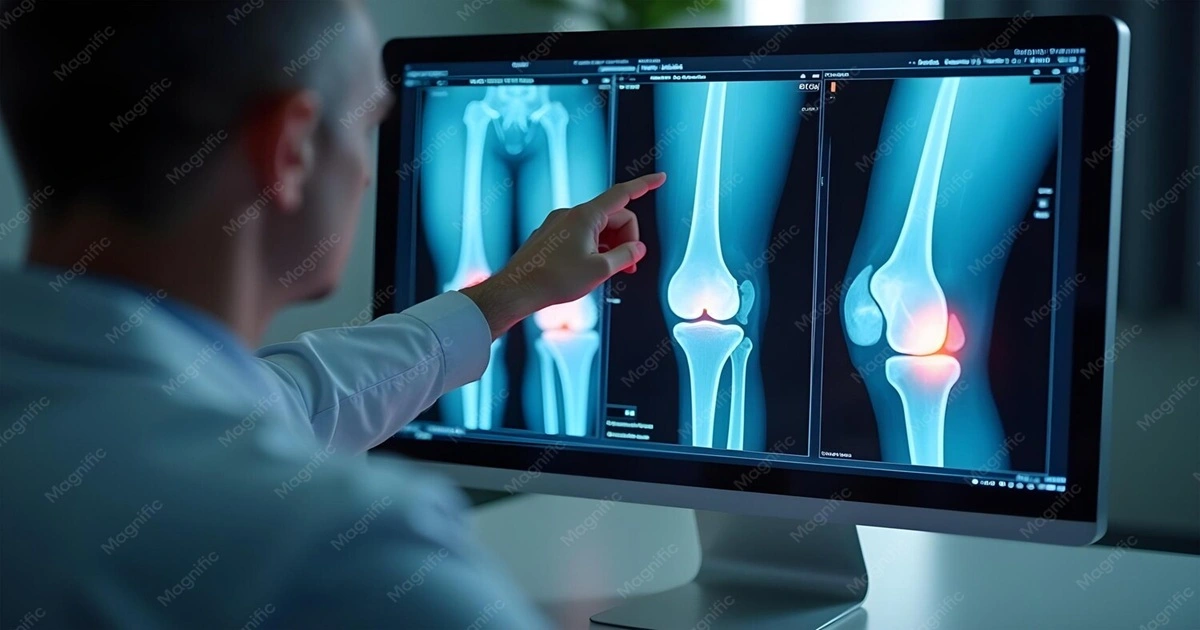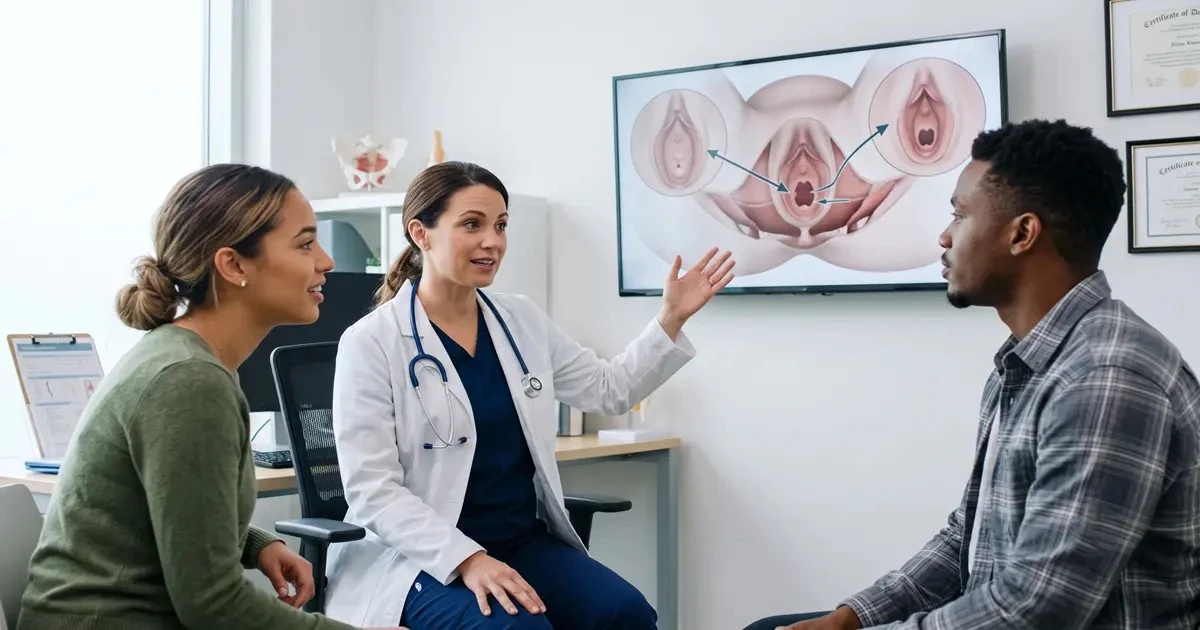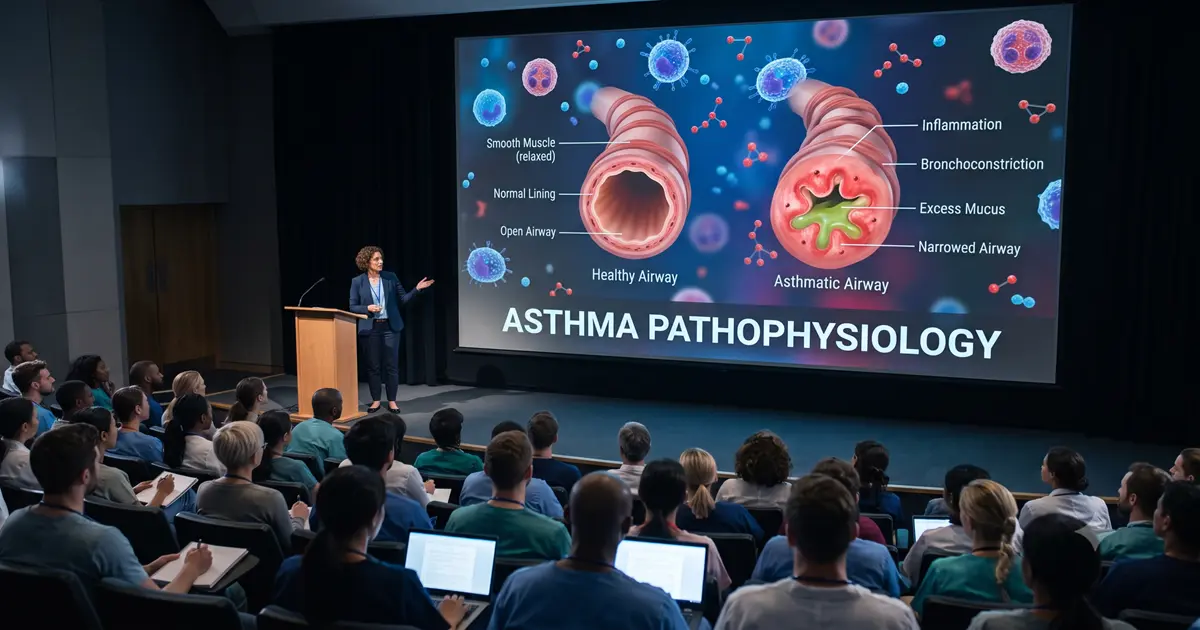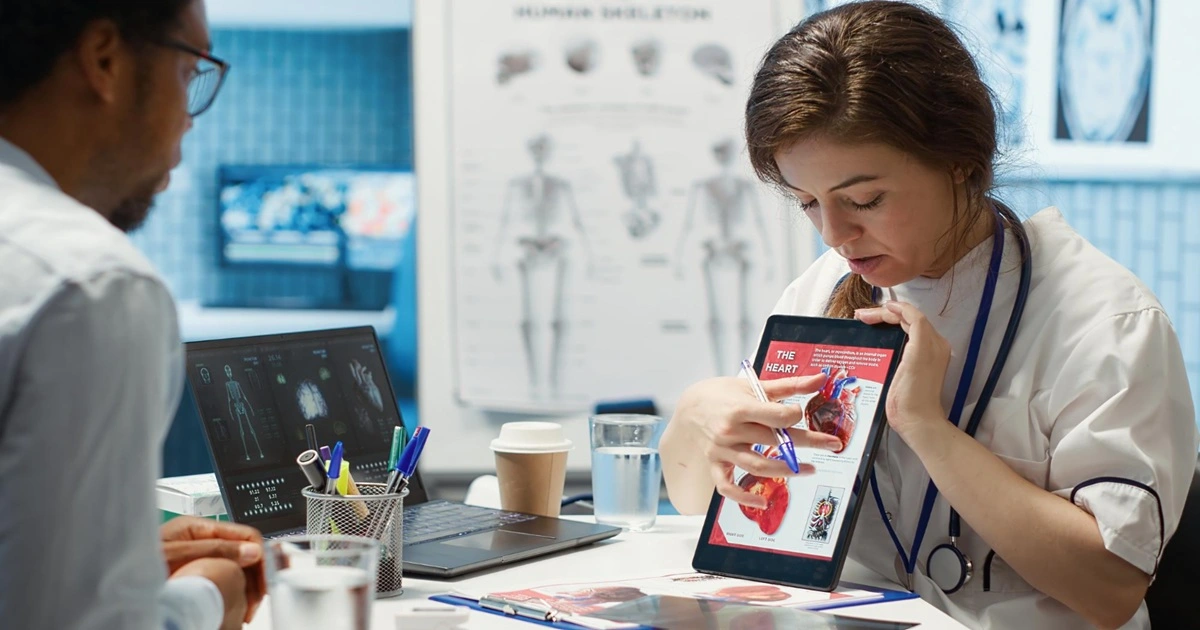
The biggest medical eLearning trends in healthcare are AI-driven adaptive learning, microlearning, video-based learning and medical animation, VR/AR clinical simulation, gamified interactive training, competency-based personalization, and unified LMS platforms. Together they replace static, one-size-fits-all training with faster, measurable, and more engaging clinical education — directly improving compliance rates, staff retention, and patient safety outcomes.
Key Takeaways:
Healthcare organizations using AI-adaptive technology like advance learning platforms reported 30% faster skill acquisition with 25% higher exam scores also use of ai-powered chatbots (e.g., ChatGPT) has improved diagnostic reasoning skills with 20% reduction in response time for queries.
Microlearning modules under 5 minutes are associated with better knowledge retention than single long-form sessions, largely due to spaced repetition
VR/AR simulation lets clinical staff rehearse high-risk procedures with zero patient risk before applying skills live. According to study virtual reality simulations reported 40% improvement in procedural success rates in surgical training, clinical skills, and anatomy education.
Modern Intelligent Tutoring Systems for procedural skill training, and diagnostics reported 35% higher knowledge retention in radiology/surgery.
Competency-based tracking (skills demonstrated) is replacing seat-time tracking (hours completed) as the primary training KPI
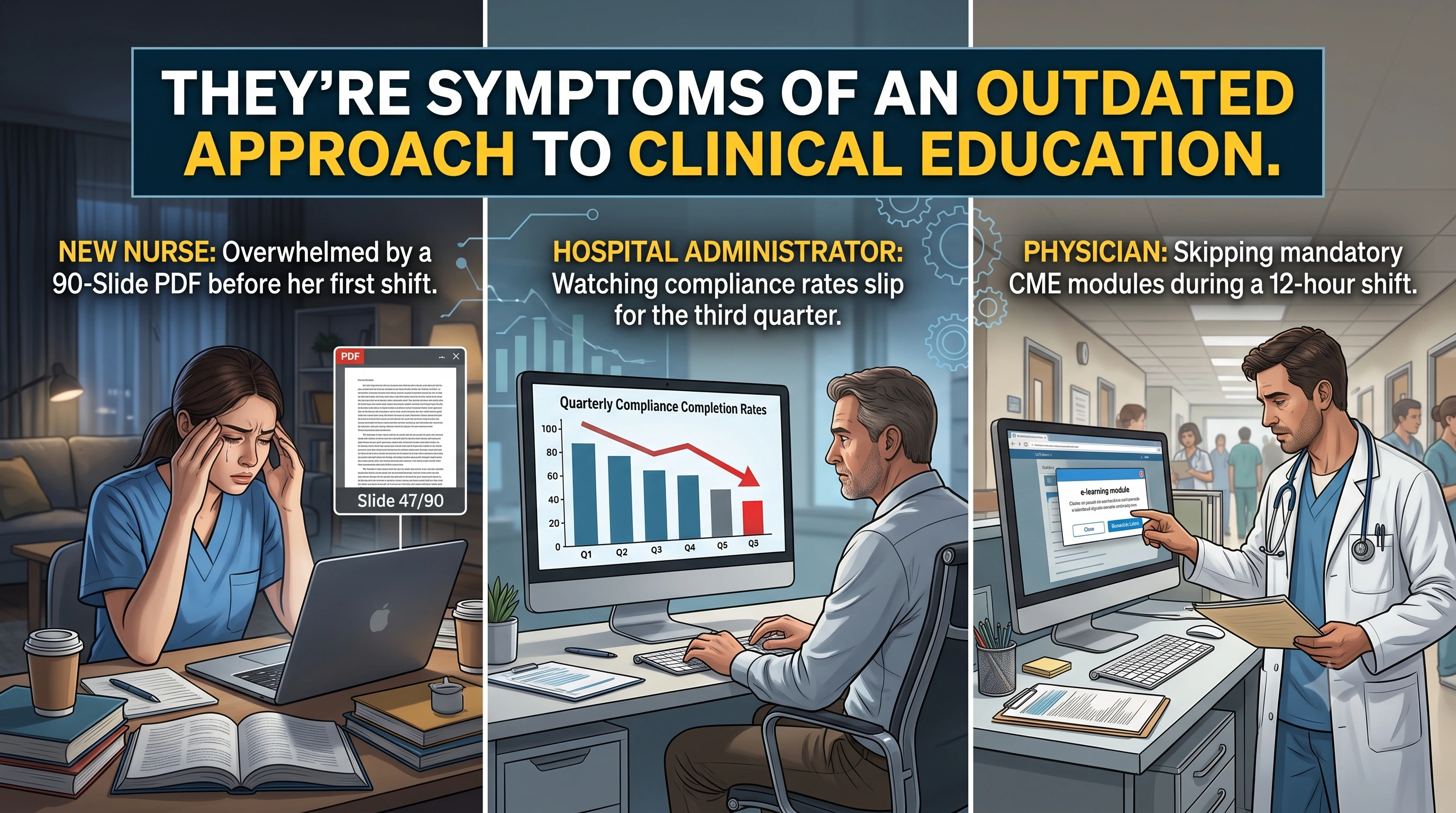
A new nurse fumbles through a 90-slide PDF the night before her first shift. A hospital administrator watches compliance completion rates slip for the third quarter in a row. A physician skips yet another mandatory CME module because it doesn't fit into a 12-hour shift. These aren't isolated frustrations — they're symptoms of an outdated approach to clinical education.
For hospital executives, medical educators, and L&D teams, understanding where healthcare learning technology is headed isn't optional anymore — it's a competitive and clinical necessity. This guide breaks down the trends defining the next era of healthcare eLearning, why they matter, and how organizations can act on them.
Why Medical eLearning Trends Matter Right Now?
Healthcare organizations are under simultaneous pressure from workforce shortages, rising compliance demands, and rapid clinical advancement — and static, text-heavy training can no longer keep pace with how fast medical knowledge changes or how thin staff bandwidth has become.
Modern medical education technology directly affects three outcomes every healthcare leader is accountable for:
Outcome | What It Means | Why It's at Risk With Legacy Training |
Clinical competency | How well staff apply what they've learned at the bedside | Static modules test recall, not applied skill |
Compliance & risk management | Timely, verifiable, auditable training completion | Manual tracking creates audit gaps and blind spots |
Workforce readiness & retention | Staff stay engaged, confident, less likely to burn out | Disengaging training accelerates turnover |
Explore our 3D Medical Animation Portfolio
What Are the Top 7 Medical eLearning Trends in Healthcare?
The seven trends reshaping clinical and healthcare workforce education are: AI-powered adaptive learning, microlearning, video-based learning and medical animation, healthcare simulation (VR/AR), gamification and interactive learning, personalized competency-based education, and integrated learning management systems (LMS). Each is detailed below.
1. How Is AI Changing Medical Education?
AI is shifting from a novelty feature to core infrastructure — powering adaptive learning paths, automating content creation and assessment, and giving administrators predictive visibility into compliance and competency gaps before they become risks.
Adaptive Learning Paths: AI-powered platforms analyze a learner's real-time performance and adjust content difficulty, pacing, and remediation. Instead of every nurse or resident working through an identical fixed curriculum, adaptive learning tailors the path to demonstrated competency — accelerating strong performers and flagging struggling learners before gaps become patient safety risks.
AI-Assisted Content Creation and Assessment: AI tool like ChatGPT is used to generate case studies, simulate patient scenarios, and automatically predictes analytics for learning gaps, and scores open-ended clinical reasoning responses, while reported reducing the grading time by 35% with real-time feedback system.
Predictive Analytics for Workforce Readiness AI-driven dashboards can flag departments or individuals falling behind on compliance training before an audit reveals it — turning training data into a proactive risk-management tool rather than a retroactive report.
2. Why Does Microlearning Work for Clinical Training Schedules?
Microlearning breaks training into short, focused lessons (typically five minutes or less) that fit into gaps in a clinical shift, and spaced repetition across these bite-sized lessons improves knowledge retention by 35% in radiology/surgery compared to single long training sessions.
Instead of one long course on infection control, microlearning breaks it into digestible units — hand hygiene, PPE protocol, isolation procedures — each completable during a break or between patients. This pairs naturally with mobile learning, letting staff train from a phone or tablet at the point of care rather than being tied to a desktop workstation.
Definition: Microlearning is a training format that delivers content in short, single-concept units (usually under five minutes), designed for retention through repetition rather than long-form coverage.
3. What Role Does Video-Based Learning and Medical Animation Play in Healthcare Training?
Medical animation visually explains physiological processes, surgical techniques, and pharmacological mechanisms that are difficult to teach through text alone — building genuine understanding of mechanisms of action, disease progression, and procedural steps that would otherwise require imagination or a cadaver lab.
This is especially valuable for pharmaceutical companies and medical device manufacturers training sales teams, clinicians, and patients on how a product or intervention actually works. Studios like Chasing Illusions Studio specialize in translating dense clinical and scientific content into animation that is both medically accurate and easy to follow.
Video content also supports remote healthcare training, letting geographically distributed teams — from rural clinics to multi-site hospital systems — access consistent, standardized instruction without travel costs or scheduling conflicts.
4. How Do VR and AR Improve Clinical Skills Training?
VR and AR let learners rehearse high-stakes procedures — surgeries, emergency response, difficult patient conversations — in a repeatable, risk-free environment, validating readiness before skills are applied to real patients. It is reported that use of virtual reality simulations for surgical training, clinical skills, and anatomy education has achieved 40% improvement in procedural success rates along with enhanced 3d visualization for diagnostic accuracy.
VR training — immersive rehearsal of surgical procedures, emergency protocols, or difficult conversations
AR in healthcare — overlays digital guidance onto physical spaces, such as anatomy identification on a mannequin or step-by-step procedural prompts
Definition: Healthcare simulation refers to training methods — including VR and AR — that recreate clinical scenarios in a controlled environment, allowing practice without risk to real patients.
5. How Does Gamification Improve Engagement in Healthcare Training?
Gamification — points, badges, leaderboards, and scenario-based challenges — addresses the biggest obstacle in mandatory training: motivation. When compliance modules feel like a checkbox exercise, both completion rates and retention suffer.
Interactive formats, like branching clinical scenarios where a learner's choices determine the outcome, mirror real decision-making under pressure and reinforce critical thinking over rote memorization. This is particularly effective for continuing medical education (CME), where engagement — not just completion — determines whether training changes clinical behavior.
6. What Is Competency-Based Education and Why Does It Matter?
Competency-based education measures whether a learner can actually demonstrate a skill or piece of knowledge — rather than measuring success by hours completed — allowing training pace and sequence to match individual need rather than a fixed schedule.
A new graduate nurse and a 15-year veteran shouldn't necessarily move through training at the same pace. Personalized pathways, often powered by the same AI systems described above, let each professional focus time where it's genuinely needed, supporting continuous professional development rather than one-time certification events.
Related reading: Healthcare Workforce Readiness in the Digital Age
7. Why Do Healthcare Organizations Need a Unified LMS?
A modern LMS ties every other trend together — tracking competency data, automating compliance reporting, integrating with HR and credentialing systems, and supporting multiple content formats (video, simulation, microlearning) in a single learner experience.
Without it, individual eLearning tools remain a scattered collection rather than a cohesive, auditable training strategy.
Trend Comparison at a Glance: Medical eLearning
AI-Adaptive Learning | Personalized pacing, predictive risk flagging | Large staff with mixed experience levels |
Microlearning | Fits into short shift gaps, boosts retention | Recurring compliance topics (hand hygiene, PPE) |
Video & Medical Animation | Explains complex mechanisms visually | Pharma/device training, procedural education |
VR/AR Simulation | Risk-free rehearsal of high-stakes scenarios | Surgical training, emergency response |
Gamification | Increases motivation and engagement | Mandatory CME, compliance modules |
Competency-Based Education | Measures actual skill, not seat time | Credentialing, clinical skills validation |
Unified LMS | Centralizes tracking and reporting | Multi-site systems, audit-heavy environments |
How Can Healthcare Leaders Act on These Trends?
Audit your current training stack. Identify where static, text-heavy modules are creating disengagement or compliance gaps.
Prioritize by risk and impact. Compliance training and high-stakes clinical skills should be first in line for simulation, video, or interactive upgrades.
Invest in content quality, not just technology. A well-designed LMS with poorly made content won't move the needle — clear, medically accurate video and animation matter as much as the delivery platform.
Measure competency, not just completion. Shift KPIs from "modules finished" to "skills demonstrated."
Plan for scalability. Whether you're a single hospital system or a multi-site pharmaceutical training program, choose tools and content partners that can grow with you.
Conclusion:
The nurse overwhelmed by a static PDF, the administrator chasing compliance numbers, the physician skipping CME — each scenario points to the same underlying issue: healthcare education hasn't kept pace with how people actually learn and work today. AI-driven personalization, microlearning, immersive simulation, and high-quality video and animation aren't isolated innovations — together they represent a fundamental shift toward training that's faster to deliver, easier to engage with, and more directly tied to real clinical competency and patient outcomes.
If your organization is exploring how medical animation and visual storytelling can strengthen your training or educational content, Chasing Illusions Studio works with healthcare, pharmaceutical, and medical device organizations to turn complex clinical concepts into clear, accurate, and engaging visual learning experiences.
Frequently Asked Questions:
What are the biggest medical eLearning trends in healthcare right now?
The leading trends include AI-powered adaptive learning, microlearning, video-based learning and medical animation, healthcare simulation with VR/AR, gamified interactive learning, and competency-based personalized education — all unified through modern LMS platforms.
How does AI improve medical education?
AI personalizes learning paths based on individual performance, assists in content creation and assessment, and provides predictive analytics that flag compliance or competency gaps before they become risks.
Why is microlearning effective for healthcare workforce training?
Microlearning breaks complex topics into short, focused lessons that fit into busy clinical schedules, improving knowledge retention through spaced repetition without requiring long blocks of dedicated training time.
What role does medical animation play in healthcare training?
Medical animation visually explains complex physiological, pharmacological, or procedural concepts that are difficult to convey through text, improving comprehension for clinicians, sales teams, and patients alike.
How do VR and AR support clinical skills development?
VR and AR allow learners to practice procedures and decision-making in realistic, risk-free simulated environments, helping validate clinical competency before skills are applied to real patients.
What's the difference between microlearning and traditional eLearning modules?
Traditional modules are typically 30–60+ minutes and cover broad topics in one sitting. Microlearning delivers single concepts in under five minutes, designed to be repeated over time rather than completed once.
Book a discovery 20-minutes strategy call.
📞 +91-9910911696 | +91-9910660851
📩 info [@] chasingillusions [.] in
Written by Deepak, Healthcare Content Strategist at Chasing Illusions Studio, who leads content for clients including Ambler Surgical, Practo, Bayer, SMT, Novartis, and 100+ healthcare brands across India, USA, Thailand, and the UK.
Last Updated: Aug 03 2026 | Chasing Illusions Studio
Chasing Illusions Studio
Premium animation & video production studio based in Delhi, India. Specialising in 3D animation, medical visualisation, architectural walkthroughs, and CGI.