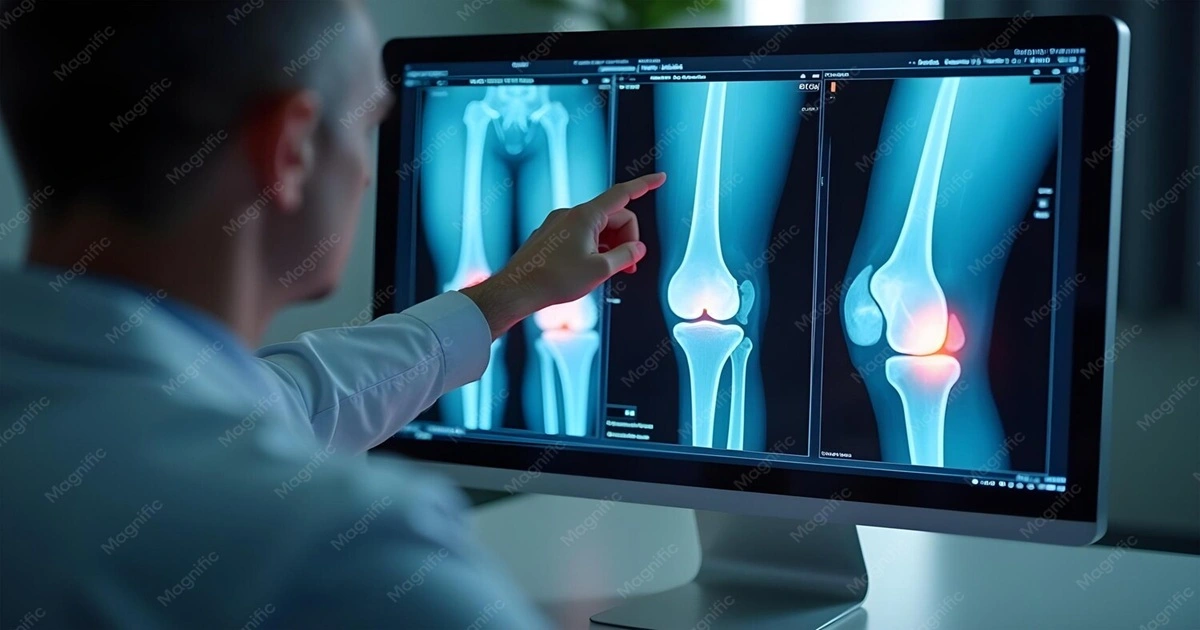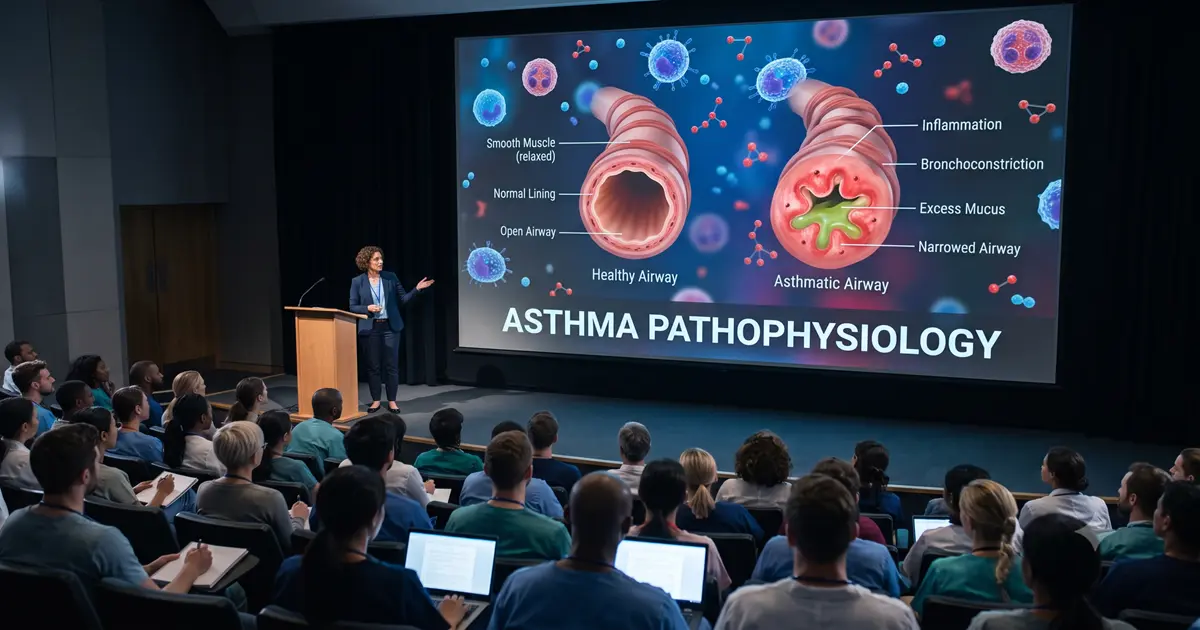
A doctor explains a complex treatment plan. The patient nods. But the moment they step out of the clinic, confusion sets in — they can't recall the dosage, the process, or even the diagnosis. This is not a communication failure unique to one clinic; it is a systemic challenge across the entire healthcare industry. Healthcare explainer videos are changing that reality — translating dense medical information into clear, visual narratives that patients, professionals, and stakeholders can actually absorb and act on.
For hospitals, pharmaceutical companies, medical device manufacturers, and healthcare startups, the question is no longer whether to invest in video. The question is how strategic that investment should be.
What Are Healthcare Explainer Videos?
Healthcare explainer videos are short, structured visual assets — animated or live-action — designed to communicate medical information with clarity and precision. They simplify complex diagnoses, treatment pathways, drug mechanisms, medical device functionality, and clinical protocols for audiences ranging from lay patients to trained healthcare professionals (HCPs).
The format spans several distinct categories:
Healthcare animated explainer videos — 2D or 3D animation used to depict biological processes, drug action, or procedural workflows
3D medical explainer videos — photorealistic or stylized 3D animation for surgical procedures, device mechanisms, or anatomical education
Patient education videos — simplified explainers aimed at improving comprehension, compliance, and informed consent
Healthcare eLearning solutions — modular video-based training for clinical staff, sales teams, and medical educators
Pharmaceutical explainer videos — mechanism of action (MoA) animations, drug interaction visualizations, and regulatory-compliant promotional content
Explore our healthcare explainer videos portfolio
Each type serves a distinct audience and objective — but all share a common purpose: making the complex, comprehensible.
Why Visual Communication Is Critical in Healthcare?
Healthcare is, by nature, a high-stakes communication environment. Research indicates that 57% of medical professionals identify delays in receiving information as the most frustrating aspect of healthcare communication — and when information is delayed or misunderstood, patient outcomes suffer.
This is where medical healthcare videos provide measurable value. The human brain processes visuals significantly faster than text, and visual content dramatically improves information retention. Video patient education has been shown to boost appointment request rates by 33%, while video content on landing pages can raise conversions by 34%.
Animated content that integrates engaging visuals and clear audio explanations is an effective way to make complex medical concepts easier to understand, while also improving patient engagement and comprehension.
For healthcare organizations competing in increasingly digital patient journeys, this is not a marginal advantage — it is a strategic necessity.
The Business Case: Who Benefits from Healthcare Animation Videos?
Hospitals and Healthcare Organizations
Hospitals face a persistent challenge: patients arrive for procedures underprepared, appointments run over, and post-discharge non-compliance drives readmissions. When patients are given access to healthcare video content explaining treatment options, risks, and procedures in easy-to-understand formats, they arrive fully educated — leading to more efficient appointments and higher satisfaction rates.
Beyond patient-facing applications, internal communication also benefits. Animation can standardize protocols, communicate policy changes across departments, and reduce the information gaps that lead to clinical errors.
Pharmaceutical Companies
3D animation allows the mechanism of action of drug preparations, implants, and other medical technologies to be visualized with significantly greater accuracy than traditional illustrations or live-action footage.
One of the biggest challenges in the pharmaceutical industry is explaining complex medical information in a way that is easy to understand — whether it's how a new drug works, potential side effects, or treatment protocols. Animated explainer videos simplify complex topics by breaking them into digestible, engaging visual content using whiteboard animation, motion graphics, or 3D animation, making it easier for patients and healthcare providers to grasp the information.
Compliance training is another high-value use case. Animated training videos can transform compliance training into engaging, memorable experiences, including interactive elements, quizzes, and real-life scenarios to reinforce key messages.
Medical Device Manufacturers
Launching a new device without clear visual communication is a missed opportunity. Medical device animations demonstrate the work of implants, stents, robotic surgical systems, and other complex mechanisms — including procedures in complex anatomical environments — in ways that no brochure or static slide can replicate.
Animation also offers total control over every visual element — unlike live-action footage, where unintended backgrounds or movements may cause ambiguity. This ensures every label, symbol, and claim is precisely aligned with approved medical and legal documentation, reducing the risk of misinterpretation.
Healthcare Startups and Biotechnology Companies
For early-stage companies, the challenge is getting stakeholders to understand complex science quickly. When investors can see a drug mechanism or a novel therapy unfold visually, clarity improves dramatically — the same concept that caused eyes to glaze over a slide deck becomes a compelling, attention-holding narrative.
A well-produced healthcare 3D explainer is often the single most effective asset a biotech startup can take into an investor meeting or a KOL engagement session.
Healthcare Explainer Videos by Audience: What Each Segment Actually Needs?
Hospitals and Diagnostic Centers
Core problem: patients arrive uninformed, procedures take longer, and readmission rates stay high. A 90-second animated pre-procedure explainer sent via WhatsApp or patient portal changes that dynamic immediately. After implementing 3D animated healthcare videos, hospitals typically see content engagement increase by 2–3×, patient understanding improve by 60–70%, and website conversion rates rise by up to 40%.
Pharmaceutical Companies
Core problem: field teams cannot explain drug mechanisms in five-minute windows with dense slide decks. A 2-minute MoA animation replaces ten slides and stays consistent across 500 reps in three countries. A single explainer video ensures every sales representative understands the product's science identically — leading to consistent messaging and faster onboarding.
Medical Device Manufacturers
Core problem: surgeons and procurement committees need to see how a device works before they approve it. A 3D procedural animation answers every technical objection before the sales meeting begins.
Healthcare Startups and Biotech Companies
Core problem: investor decks rely on static slides for concepts that require motion to be understood. When stakeholders can see a drug mechanism or novel therapy unfold visually, the same concept that caused eyes to glaze over a slide deck becomes a compelling, attention-holding narrative.
Healthcare eLearning and Training Teams
Core problem: onboarding, protocol updates, and compliance training are time-consuming, inconsistent, and expensive when delivered live. Modular video-based training solves all three simultaneously — and is reusable across cohorts.
Clinics and Public Health Organizations
Core problem: disease awareness campaigns fail to reach and retain lay audiences when delivered as text or static infographics. Short, shareable animation significantly extends reach on digital and social channels.
Key Use Cases: Where Healthcare Explainer Videos Deliver the Most Value
1. Patient Education and Informed Consent
Patients who understand their condition are more likely to adhere to treatment plans, ask informed questions, and follow post-care instructions. Healthcare patient explainer education videos address the root problem: the gap between what clinicians communicate and what patients retain.
Animation bridges health literacy gaps, making medical information more accessible while simultaneously reducing patient anxiety and promoting better treatment adherence. This is particularly critical in chronic disease management, where long-term compliance determines outcomes.
2. Mechanism of Action (MoA) Animations for HCP Engagement
Medical 3D animation gives shape to what people cannot see on their own — receptor interactions, delivery routes, immune responses, tissue-level changes, and cell signaling sequences — in ways that brochures and five-minute sales presentations cannot achieve.
For pharma brands deploying medical sales teams or conducting KOL outreach, MoA animations are now considered standard assets in commercial launch planning.
3. Healthcare eLearning and Staff Training
Healthcare animation videos help train staff efficiently by breaking down standard operating procedures, emergency protocols, and product handling instructions into engaging animated sequences.
A single explainer video ensures that every sales representative or clinical team member understands the product's science and benefits identically — leading to consistent messaging and faster onboarding for new hires.
This is especially valuable for organizations operating across multiple geographies or managing high staff turnover in clinical settings.
4. Disease Awareness Campaigns and Public Health Communication
Public health organizations and hospital marketing teams use healthcare animation videos to drive disease awareness — explaining risk factors, prevention measures, and screening protocols to general populations. Visual metaphors and simplified storytelling make health communication campaigns more shareable, more memorable, and more effective across digital and social channels.
Videos receive ten times more engagement than text posts, and condition explainer content consistently ranks as the top content type for new patient traffic.
5. Medical Device and Product Launches
Healthcare video production for product launches allows manufacturers to showcase device functionality, surgical integration, and patient outcomes within a controlled, visually precise environment. Medical animations work well for patient education, marketing, and internal training simultaneously — making them one of the most versatile assets in a healthcare brand's content library.
Where Should Healthcare Companies Deploy Explainer Videos?
A single well-produced video is not a one-time asset — it is a content engine deployable across multiple channels simultaneously:
Website and Landing Pages — Video on a healthcare landing page directly improves time-on-site and conversion rates. Conversion rates on landing pages can be increased by 86% by adding visual content such as videos, while video-enriched pages attract two to three times more monthly visitors.
Patient Portals and Pre-Appointment Emails — Sending a procedure explainer before appointment day reduces no-show rates, shortens consultation time, and arrives patients in a better-prepared state.
Medical Conferences and KOL Presentations — A 3D MoA animation is more persuasive than any slide deck in an HCP engagement session. It standardizes the message regardless of which team member presents.
Internal LMS and Staff Training Platforms — Modular video modules integrate with existing learning management systems, enabling self-paced training with trackable completion rates and assessments.
Social Media and Disease Awareness Campaigns — Short-form versions (30–60 seconds) of patient education videos drive organic reach on platforms where healthcare consumers actively seek health information.
Sales Enablement and Investor Decks — Embedded videos in presentations keep stakeholders engaged and communicate complex science without requiring the presenter to carry all explanation weight.
The Role of 3D Medical Animation in Modern Healthcare Communication
Not all healthcare explainer video formats are equal. For content where anatomical accuracy, molecular-level visualization, or procedural realism is essential, 3D medical animation is the standard of choice.
Medical animation explains the parts that are hardest to picture with words alone — mechanisms of action, disease progression, administration steps, device use, and treatment pathways. This is exactly the kind of visual support that health literacy guidance identifies as effective for helping people understand complex health information well enough to use it in real decisions.
Healthcare organizations investing in medical animation services gain an asset with longevity. A single 3D explainer can be repurposed across clinical training, investor presentations, HCP conferences, patient portals, and social media — delivering value across multiple touchpoints from a single production investment.
Healthcare Video Marketing: Building Brand Authority Through Visual Storytelling?
Beyond clinical and educational applications, healthcare explainer videos are a powerful healthcare marketing strategy tool. Healthcare can leverage video as a medium to form meaningful relationships with patients — simplifying complex medical topics, sharing patient stories, and offering virtual walkthroughs of facilities. When a medical professional appears on screen to discuss a health concern or treatment option, it is personal and relatable, making patients feel more connected and engaged.
For healthcare brands, this translates directly into brand differentiation. In a sector where trust is the primary purchase driver — with 70% of healthcare consumers relying on patient testimonials when searching for healthcare providers and institutions — explainer videos that communicate competence, empathy, and clinical credibility carry significant commercial weight.
Healthcare digital marketing strategies that incorporate video see measurable gains across every key performance indicator: organic search visibility, dwell time, conversion rates, and patient retention.
What Makes a Great Healthcare Explainer Video?
Effective medical animation services are defined by more than production quality. The following elements distinguish high-performing healthcare videos from generic content:
Scientific Accuracy — Every claim, visual representation, and clinical narrative must be grounded in verified medical evidence. Inaccuracy in healthcare content carries regulatory and reputational risk.
Audience-Appropriate Language — A patient education video and an HCP-facing MoA animation require fundamentally different approaches to language, pacing, and visual complexity.
Regulatory Compliance — Medical animations must adhere to guidelines set by regulatory bodies such as the FDA or EMA, ensuring that all medical claims are scientifically accurate, non-misleading, and suitable for their intended audience.
Narrative Structure — Clinical information presented without a story arc will lose viewers. Effective healthcare video production applies storytelling principles — a clear problem, a visual journey, and a resolution.
Multichannel Adaptability — A great healthcare explainer is built from the start to work across websites, patient portals, conference presentations, and social media — not retrofitted for each channel.
Studios like Chasing Illusions Studio specialize in precisely this intersection of clinical accuracy and visual storytelling — producing medical healthcare videos that meet the standards of both scientific rigor and audience engagement across verticals including pharmaceutical, hospital, medical device, and biotech.
Measuring ROI: The Financial Case for Healthcare Video Investment
The return on healthcare explainer videos is measurable across three dimensions: patient outcomes, operational efficiency, and commercial performance.
Patient Outcome Returns
Video patient education boosts appointment request rates by 33%, and providers with patient education content see 34% higher patient retention rates. Higher retention means higher lifetime patient value — a compounding return that grows year over year.
Operational Efficiency Returns
Explainer videos reduce the time clinical staff spend re-explaining procedures, dosing instructions, and post-care protocols in every consultation. Hospitals report 32% savings on patient education operational costs after implementing medical video content. For high-volume facilities, this is a material figure.
Commercial and Marketing Returns
Video content on landing pages raises conversions by 34%. Hospitals using video-led marketing report 30–50% higher patient inquiries and significantly stronger brand credibility — with most institutions seeing positive ROI within 6–12 months of implementation.
At the enterprise level, the numbers are compelling: A healthcare clinic's investment in comprehensive video production capabilities delivered a 412% return on investment within 18 months, with measurable improvements in patient satisfaction scores, operational efficiency, and revenue growth.
Healthcare video production typically delivers 300–500% ROI overall — a figure that makes the conversation about production budget straightforward for any CFO or marketing director with access to baseline patient acquisition and retention data.
How Much Do Healthcare Explainer Videos Cost?
Budget ranges vary significantly based on animation style, video length, medical complexity, and compliance requirements. Here is a realistic framework for 2025–2026:
Video Type | Typical Range | Best For |
2D Animated Explainer | $3,000 – $8,000 | Patient education, awareness campaigns, eLearning |
Advanced 2D / Motion Graphics | $8,000 – $15,000 | HCP-facing content, pharma marketing |
3D Medical Animation | $15,000 – $30,000+ | MoA videos, device explainers, surgical walkthroughs |
Full Healthcare eLearning Module | $10,000 – $40,000 | Staff training, compliance, onboarding |
Professional animated explainer videos typically cost $7,000 to $28,000, depending on complexity — with prices above $15,000 usually involving 3D animation, live-action hybrids, or heavy compliance requirements in healthcare and enterprise contexts.
Note: This is market research cost. Get the complete cost sheet + healthcare explainer video customized quotation within 24 hours, contact us.
The more important number is return, not spend. Healthcare video production typically delivers 300–500% ROI through increased patient engagement (87% higher), reduced operational costs (32% savings on patient education), and improved revenue (23% increase in patient acquisition). Most hospitals see positive returns within 6–12 months of implementation.
The cost of not having a video — in missed patient conversions, non-compliant patients, undertrained staff, and failed product launches — almost always exceeds the cost of production.
What Does the Healthcare Explainer Video Production Process Look Like?
For first-time buyers, understanding the workflow removes hesitation. A professional medical animation project typically follows these stages:
Stage 1 — Discovery and Brief (Week 1)
Defining clinical objectives, target audience, regulatory constraints, key messages, and distribution channels. A clear brief at this stage prevents expensive revisions later.
Stage 2 — Script and Medical Review (Weeks 1–2)
The script is the most critical document in the process. It must be medically accurate, audience-appropriate, and narratively structured. This stage typically involves one or two review rounds with internal medical or compliance teams.
Stage 3 — Storyboard and Style Frame Approval (Week 2–3)
Visual direction is established before animation begins — characters, environments, color systems, and scene sequencing. Approving at this stage avoids rework in production.
Stage 4 — Animation Production (Weeks 3–6)
The core production phase. Timeline depends on complexity: a 90-second 2D explainer may take 3–4 weeks; a 3D medical animation of comparable length may require 6–10 weeks.
Stage 5 — Voiceover, Sound Design, and Final Delivery (Week 5–8)
Professional voiceover in the required language(s), background score, and final export in all required formats — web, mobile, LMS-compatible, conference-ready.
Final approval at each stage confirms HIPAA compliance, clinical accuracy, and regulatory adherence before content reaches audiences. Medical professionals must review final cuts to prevent misinformation and potential liability.
Frequently Asked Questions (FAQs)
What types of companies benefit most from healthcare explainer videos?
Any organization in the healthcare ecosystem stands to gain — including hospitals and clinic networks, pharmaceutical companies, medical device manufacturers, biotech startups, public health bodies, healthcare insurers, and digital health platforms. The format scales from patient-facing education to HCP engagement to internal training.
What is the difference between a 2D and a 3D medical explainer video?
2D animation is well-suited for process flows, infographic-style education, and patient-facing content where approachability matters. 3D medical animation is preferred when anatomical realism, molecular-level visualization, or procedural accuracy is essential — such as MoA videos, surgical walkthroughs, or medical device demonstrations.
How long should a healthcare explainer video be?
For healthcare professionals and B2B stakeholders, the ideal length is typically between 90 seconds and three minutes. For patient-facing educational content, shorter formats of 60–90 seconds tend to perform best on digital and mobile channels.
Can healthcare explainer videos be used for regulatory submissions or medical conferences?
Yes, but only when produced with strict regulatory compliance in mind. The content must be scientifically accurate, free from misleading claims, and aligned with applicable guidelines (FDA, EMA, CDSCO, etc.). Working with an experienced medical animation studio that understands regulatory frameworks is essential.
How do we ensure the animation is medically accurate for our specific indication or product?
A professional medical animation studio works directly with your medical affairs, clinical, or product team during script development and storyboard review. Every visual element — receptor behavior, device placement, anatomical reference — goes through a structured SME review process before production begins. The final output reflects your approved claims, not the studio's interpretation.
How do healthcare animated explainer videos improve patient compliance?
Animation reduces patient anxiety, bridges health literacy gaps, and makes dosing instructions and treatment protocols easier to follow — all of which directly improve medication adherence and treatment compliance. Patients who understand why a treatment matters are significantly more likely to follow through.
Can the same video be used across India, the UK, and the US?
Yes, with localization. A master animation can be adapted with localized voiceover, text overlays, and culturally appropriate visual elements for different markets. For multinational organizations, it is important to ensure animation complies with the regulations of each country in which it will be distributed. Plan for localization from the outset rather than retrofitting it after delivery.
What should healthcare organizations look for when choosing a medical animation studio?
Key criteria include demonstrated healthcare expertise, scientific review processes, regulatory awareness, a portfolio of medically accurate work, and the ability to adapt content across formats and audiences. Production quality matters, but clinical credibility matters more.
How do we measure whether the video is actually working?
Track completion rates (what percentage of viewers watch to the end), dwell time on pages where the video is embedded, downstream conversion events (appointment bookings, form fills, demo requests), and — for patient education content — post-video quiz scores and recall assessments. Financial ROI from healthcare explainer videos is measurable through increased conversion rates, reduced patient acquisition costs, increased patient retention and lifetime value, and cost savings from operational efficiency gains.
How to Get Started with a Healthcare Explainer Video?
If you are evaluating whether to invest in healthcare video production, here is a practical starting point:
Step 1 — Define the problem you are solving. Are you trying to improve patient compliance, reduce pre-procedure anxiety, accelerate HCP adoption of a new product, or train clinical staff faster? The objective determines the format, length, and distribution strategy before any brief is written.
Step 2 — Identify your primary audience. A patient-facing video and an HCP-facing MoA animation have different scripts, visual styles, regulatory implications, and success metrics. Clarifying audience first prevents costly repositioning later.
Step 3 — Gather your technical reference materials. For pharmaceutical or device animations, this means clinical data, approved claims, brand guidelines, and any regulatory submission documents that define what can and cannot be stated visually. Having these ready significantly accelerates the production timeline.
Step 4 — Shortlist studios with verified healthcare experience. General animation studios and healthcare animation studios are not the same. The difference shows in the quality of anatomical accuracy, regulatory awareness, and medical review processes — not just visual polish.
Step 5 — Request a scope call, not a quote. The most productive first conversation with a medical animation studio is a scoping discussion, not a pricing request. A thorough brief produces a more accurate quote and a better final product.
Conclusion:
The case for healthcare explainer videos is not rooted in trend — it is rooted in communication science, patient outcomes data, and commercial performance metrics. Across every segment of the healthcare industry, the ability to translate complex clinical information into clear, engaging visual content is now a core strategic competency.
Whether the goal is reducing patient anxiety before a procedure, accelerating HCP understanding of a novel drug mechanism, standardizing clinical training across a hospital network, or differentiating a medical device at launch — the right healthcare animated explainer video delivers measurable results.
Healthcare companies that treat video as a strategic communication asset — not an afterthought — will consistently outperform those that rely on static brochures, dense PDFs, and one-directional clinical monologues.
Ready to Communicate Complex Healthcare Concepts with Clarity?
If your organization is looking to produce medically accurate, visually compelling, and commercially effective healthcare explainer videos — from patient education content to pharmaceutical 3D animation — Chasing Illusions Studio brings together clinical knowledge, production expertise, and strategic storytelling to deliver assets that work across every channel and every audience.
Book a discovery 20-minutes strategy call.
📞 +91-9910911696 | +91-9910660851
📩 info [@] chasingillusions [.] in
Written by Deepak, Healthcare Content Strategist at Chasing Illusions Studio. Our clients include Ambler Surgical, Practo, Bayer, SMT, Novartis, and 100+ healthcare brands across India, USA, Thailand, and the UK.
Last Updated: June 24 2026 | Chasing Illusions Studio.
Chasing Illusions Studio
Premium animation & video production studio based in Delhi, India. Specialising in 3D animation, medical visualisation, architectural walkthroughs, and CGI.