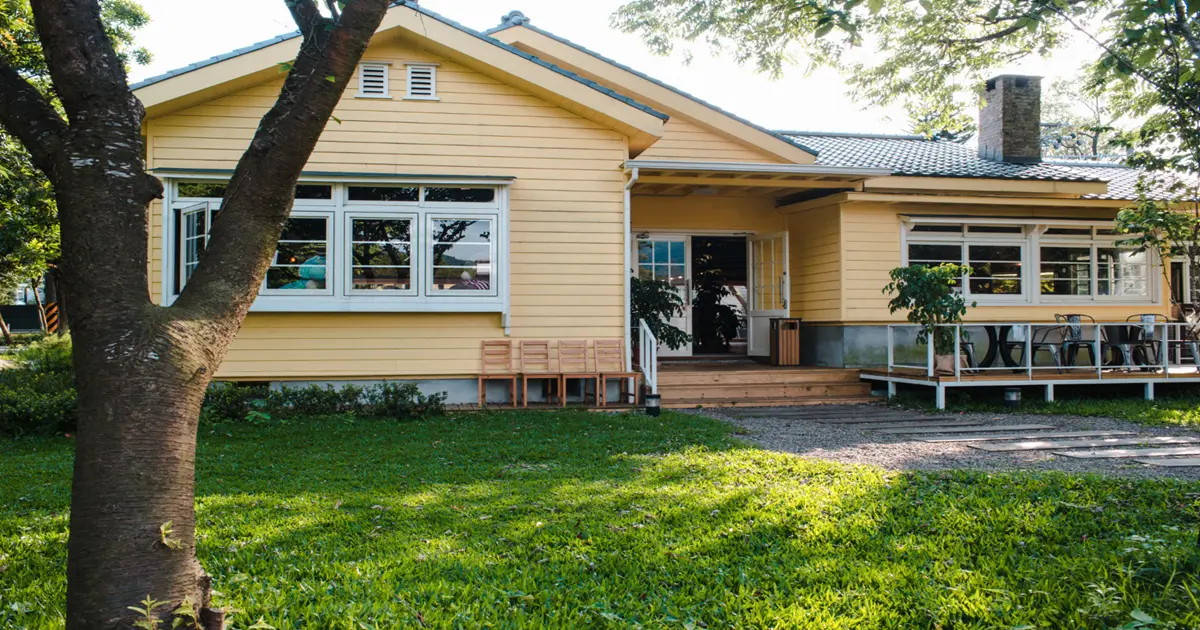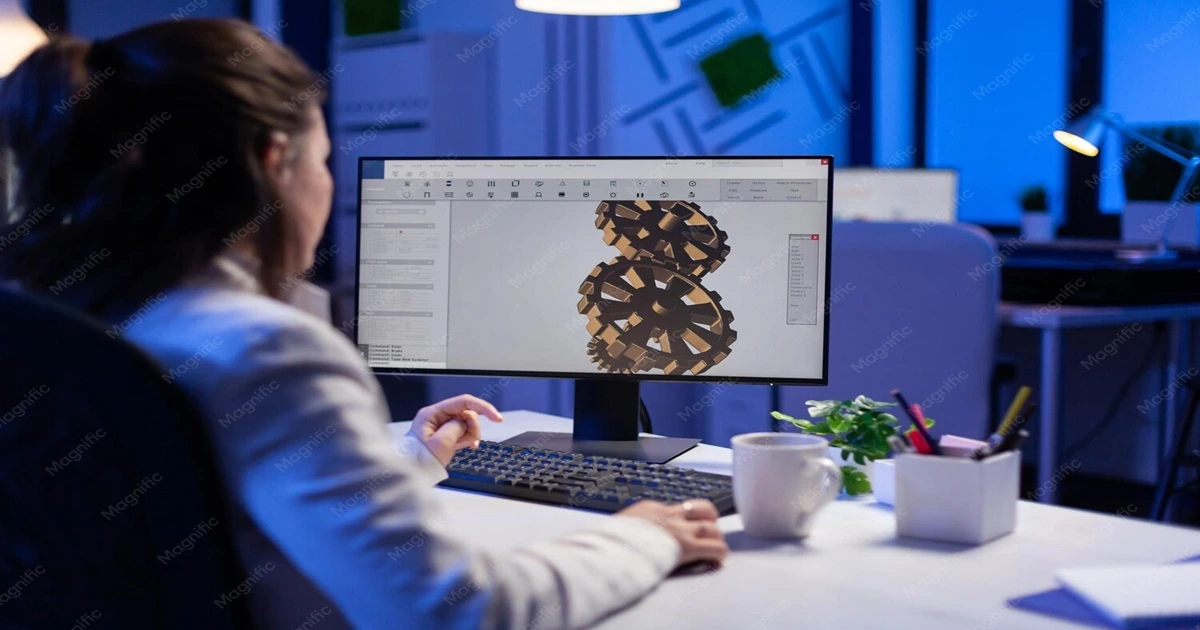
3D visualization is the process of creating three-dimensional digital models to represent objects, spaces, or data with realistic depth, texture, and lighting — allowing viewers to see a design from any angle before it physically exists. It's used across architecture, product design, manufacturing, and healthcare to communicate ideas that are hard to convey through photos, drawings, or text alone.
Key Takeaways
3D visualization creates realistic, explorable 3D models — it's a broader category that includes 3D rendering, 3D animation, and real-time/VR visualization as sub-types.
The three main types are architectural, product, and data visualization, each serving a different industry need.
A typical project moves through five stages: modeling, texturing, lighting, rendering, and revisions.
Costs and timelines vary significantly by complexity — The cost of 3D Product Modeling, Rendering and Visualization starts from Rs. 50,000 and can go even Rs. 1,50,000 with the delivery time within 2 weeks which also includes 3 concepts & 3 revisions.
Common tools include Blender, Autodesk Maya, 3ds Max, and Unreal Engine, chosen based on whether real-time interactivity is needed.
From showing an unbuilt building to demonstrating how a piece of equipment works, 3D visualization has become a standard communication tool across architecture, product design, industrial training, and marketing.
Is 3D Visualization the Same as 3D Rendering or 3D Animation?
No — the terms are related but distinct, and are often confused:
Term | What It Is | Output |
|---|---|---|
3D Visualization | The umbrella process of building and presenting a 3D digital model of an object, space, or data set | Still images, animations, or interactive/real-time experiences |
3D Rendering | The specific technical step of converting a 3D model into a final 2D image, using calculated lighting and materials | A single still image or frame |
3D Animation | Adding movement to a 3D model over time — a camera fly-through, a moving mechanical part | A video or sequence |
CGI (Computer-Generated Imagery) | The broadest term, covering any computer-generated visual, 2D or 3D, often blended with live-action footage | Images, video, or hybrid footage |
Real-Time / VR Visualization | A 3D visualization built to run interactively (e.g., in a game engine), letting a user navigate it live rather than watch a fixed render | Interactive experience, navigable in VR/AR or on-screen |
In short: rendering is a step within visualization, animation adds motion to it, and real-time/VR is a delivery format for it.
What Are the Main Types of 3D Visualization?
Type | What It Shows | Typically Used By |
|---|---|---|
3D Architectural Visualization | Buildings, interiors, and urban spaces before construction | Architects, developers, real estate marketers |
3D Product Visualization | Products from any angle — design, function, materials | E-commerce brands, industrial equipment manufacturers, technical documentation teams |
3D Data Visualization | Complex statistics, scientific processes, or engineering simulations rendered as 3D models instead of flat charts | Researchers, engineers, healthcare and pharma communicators |
3D Architectural Visualization helps developers and real estate marketers show a design before it's built, support planning submissions, and market properties to buyers who can't visit the physical site.
3D Product Visualization lets a company market and iterate on a product before physical manufacturing — showing design, functionality, and materials from any angle without repeated physical photography.
3D Data Visualization turns statistics, scientific processes, or engineering simulations into three-dimensional models, making patterns and relationships easier to grasp at a glance — particularly useful for audiences without deep technical background in the underlying data.
Why Do Businesses Use 3D Visualization?
Clarity — Complex designs, products, or processes are often genuinely hard to communicate through text, photos, or flat diagrams. 3D visualization lets an audience see how something works or looks, rather than imagining it from a description.
Faster decision-making — When stakeholders see an accurate representation instead of interpreting a technical drawing, approval and feedback cycles move faster because everyone reacts to the same shared reference.
Marketing and sales support — For a pre-construction building or a product still in development, 3D visualization is often the only way to give an audience a real sense of the finished result before it's built or manufactured.
Training and safety — In industrial and manufacturing contexts, 3D visualization lets workers see how equipment or processes function in a controlled, safe format — a useful supplement to, not a replacement for, hands-on training.
Design validation — Seeing a design in three dimensions often reveals issues invisible in 2D — proportion problems, awkward transitions, sightline issues — while they're still cheap to fix.
How Is a 3D Visualization Created?
A typical project moves through five stages:
Modeling — building the digital 3D structure of the object, space, or data set, usually from technical drawings, CAD files (computer-aided design files used by engineers and architects), or raw data.
Texturing and materials — applying realistic surfaces so the model behaves believably under light.
Lighting — setting up the scene's lighting to match the intended context and mood.
Rendering — converting the finished 3D scene into a final still image or animation (a photorealistic render aims to look indistinguishable from a photograph).
Revisions — most projects include at least one round of feedback-based adjustment before final delivery.
How long does this take?
The 3d visualization depends on various factors like project type, budget, revisions & concepts, and additional requirements, etc. A single product still vs. a full architectural walkthrough vs. an interactive VR build typically differ by weeks, not days. Let's take a look at the given below table what it takes to complete the following projects.
Type | Details | Delivery | Cost (₹) |
3D Product Visualization | Accurate 3D models that showcase your product’s design, form, and functionality | Within 1-2 weeks | 30,000 to 1,00,000 |
High-End Exterior & Interior Architectural Visualization | Immersive, high-quality architectural films that guide your clients through the space and tell a compelling visual story | Within 1-2 weeks | 50,000 to 4,00,000 |
Interactive Experiences | VR/AR & Configurators | Interactive 3D experiences to explore products & walkthroughs. Get high-quality VR, AR and real-time configurators. | Within 1 month | 1,00,000 to 5,00,000 |
ALSO READ: 3D Walkthrough Animation for Real Estate: What It Does and What It Costs
Common Software Used
Software | Best For | Real-Time Capable? |
|---|---|---|
Blender | General-purpose modeling and rendering, open-source flexibility | Limited |
Autodesk Maya | Character and product modeling, animation-heavy work | No |
3ds Max | Architectural and product visualization, strong in archviz pipelines | No |
Unreal Engine | Interactive, real-time, and VR/AR visualization | Yes |
The right tool depends on the type of visualization and whether real-time interactivity — like a walkthrough a client can navigate live — is needed.
How Much Does 3D Visualization Cost?
Pricing depends on scene complexity, level of photorealism, number of revisions, and whether the output is a still image, animation, or interactive build.
Type | Details | Delivery | Cost (₹) |
2D/3D Product Demo Video For SaaS, Finance & Healthcare | Get compelling SaaS product demo animations, fintech explainer videos, and healthcare product visualizations. | Within 1 month | 1,00,000 to 3,00,000 |
1 Single Spot (Architectural) | Get immersive 360° virtual spots, high-quality architectural films that let your clients explore a space in full detail. | Within 1-2 weeks | 50,000 to 3,50,000 |
Interactive 3D Virtual Tours & Cinematic Walkthroughs | VR tours and real-time walkthroughs that allow clients to experience spaces before they exist or are fully built. | Within 1 month | 1,00,000 to 5,00,000 |
NOTE: This is the market research based cost for 3d visualization in Delhi NCR . Get exact cost sheet + customized quotation within 12 hours, contact now.
Which Industries Use 3D Visualization?
Architecture and real estate — pre-construction marketing, planning submissions, interior design presentations
Product design and e-commerce — showing products from any angle without physical photography for every variation
Manufacturing and industrial — equipment training, plant layout planning, safety simulations
Healthcare — visualizing medical devices, procedures, or anatomical processes for training or patient education
Retail — virtual store environments and interactive product displays
Frequently Asked Questions:
Is 3D visualization the same as VR?
No. VR (virtual reality) is one delivery format for a 3D visualization — specifically, a real-time, immersive one viewed through a headset. A 3D visualization can also be delivered as a static image or a pre-rendered animation, with no VR involved at all.
Do I need CAD files to get a 3D visualization made?
Not always, but they help significantly. CAD files or technical drawings give a studio precise dimensions to build from; without them, the project usually starts with reference photos, sketches, or detailed specifications, which can add time to the modeling stage.
What's the difference between a 3D rendering and a 3D visualization?
A rendering is a single output — the final image produced from a 3D scene. Visualization is the broader process that includes modeling, texturing, lighting, and rendering to produce that image, animation, or interactive experience.
How long does a 3D visualization project usually take?
The 3d visualization varies by output type, from a single product still to a full interactive walkthrough. It depends on serval factors like project type, budget, no. of revisions, etc. However, 3d visualization of a product usually takes around 1-2 weeks.
Can 3D visualization be used before a product or building physically exists?
Yes — this is one of its primary use cases. Architectural visualization is routinely used to market pre-construction buildings, and product visualization is used to market items still in development or manufacturing.
What file formats are typically delivered?
The final file format is offered — e.g., MP4/animation, JPG/PNG stills, interactive web builds.
What's Next?
If you're considering 3D visualization for a project, the fastest way to get an accurate sense of scope and cost is to have your technical drawings, CAD files, or product specifications ready, along with a clear sense of what the visualization needs to communicate — internal design review, buyer-facing marketing, and training material each call for a different approach.
Ready to discuss your 3D visualization project?
Book a discovery 20-minutes strategy call.
📞 +91-9910911696 | +91-9910660851
📩 info [@] chasingillusions [.] in
Written by Deepak, Architectural Walkthrough content strategist at Chasing Illusions Studio. Our clients include DLF, Emaar, Ganga Reality, Banner Boswell, Shapoorji Pallonji, EC World, Taj, Florida Hospital, etc., 100+ architectural companies across India, USA, Thailand, and the UK.
Last Updated: Aug 13 2026 | Chasing Illusions Studio
Chasing Illusions Studio
Premium animation & video production studio based in Delhi, India. Specialising in 3D animation, medical visualisation, architectural walkthroughs, and CGI.