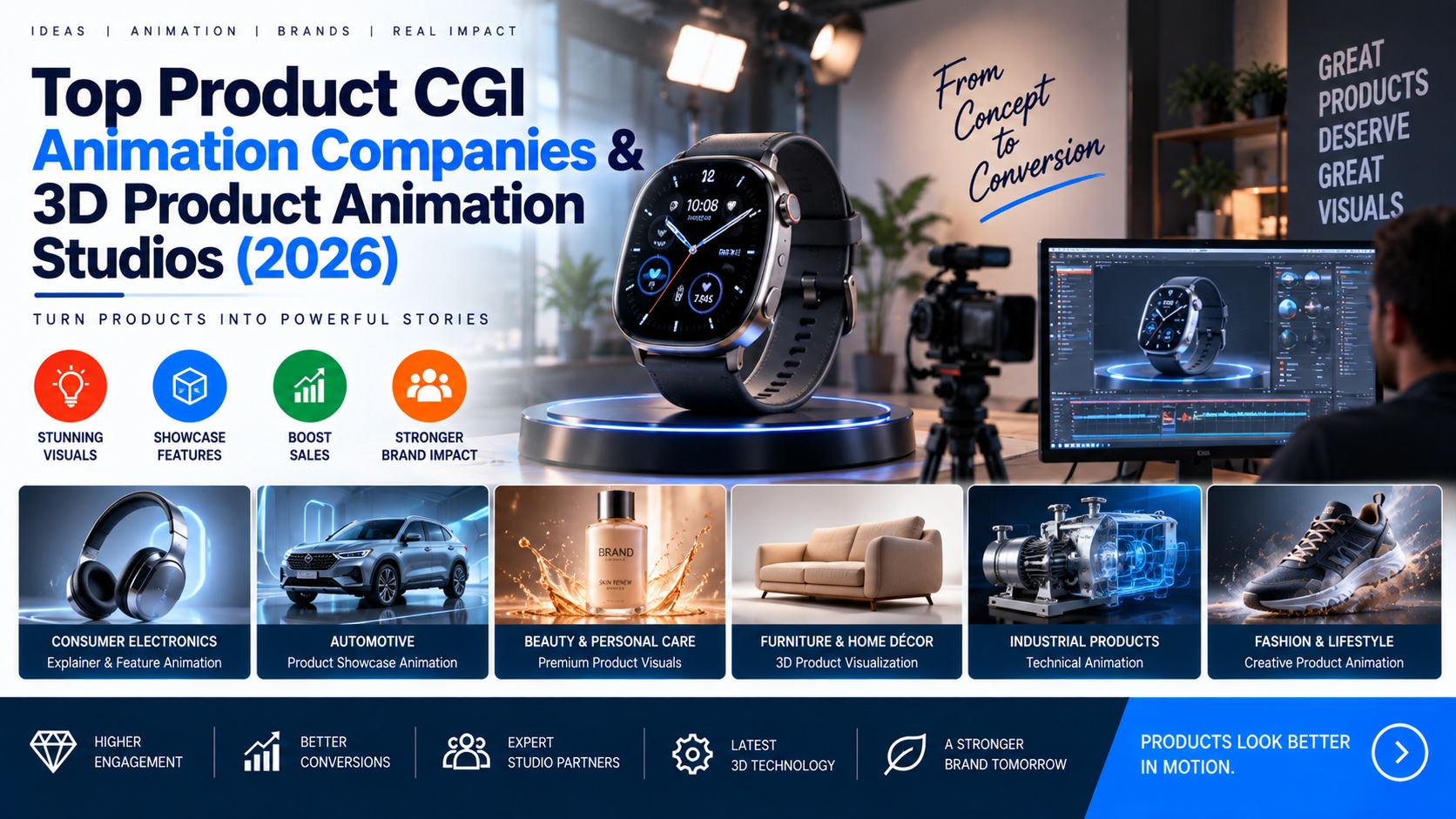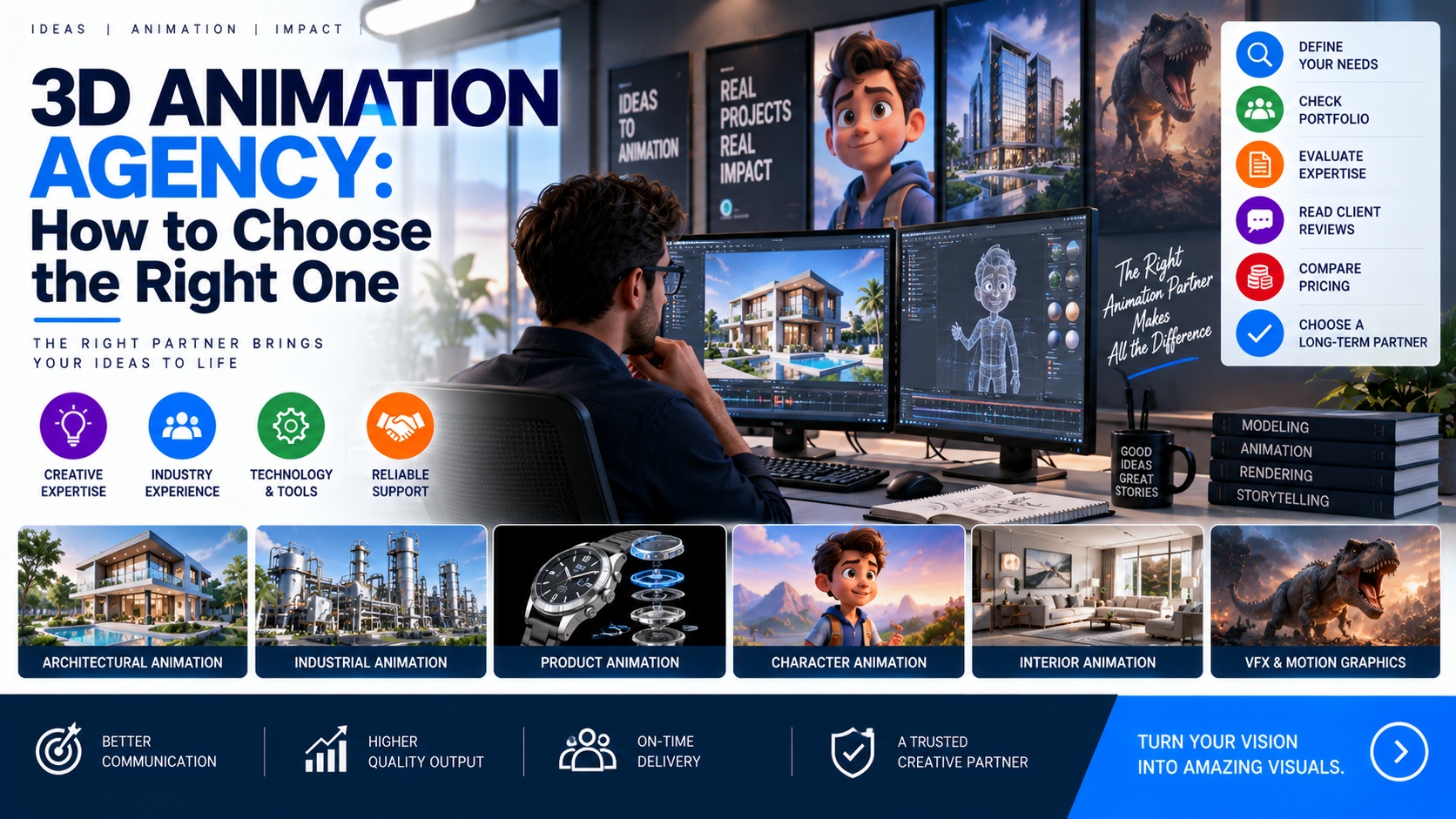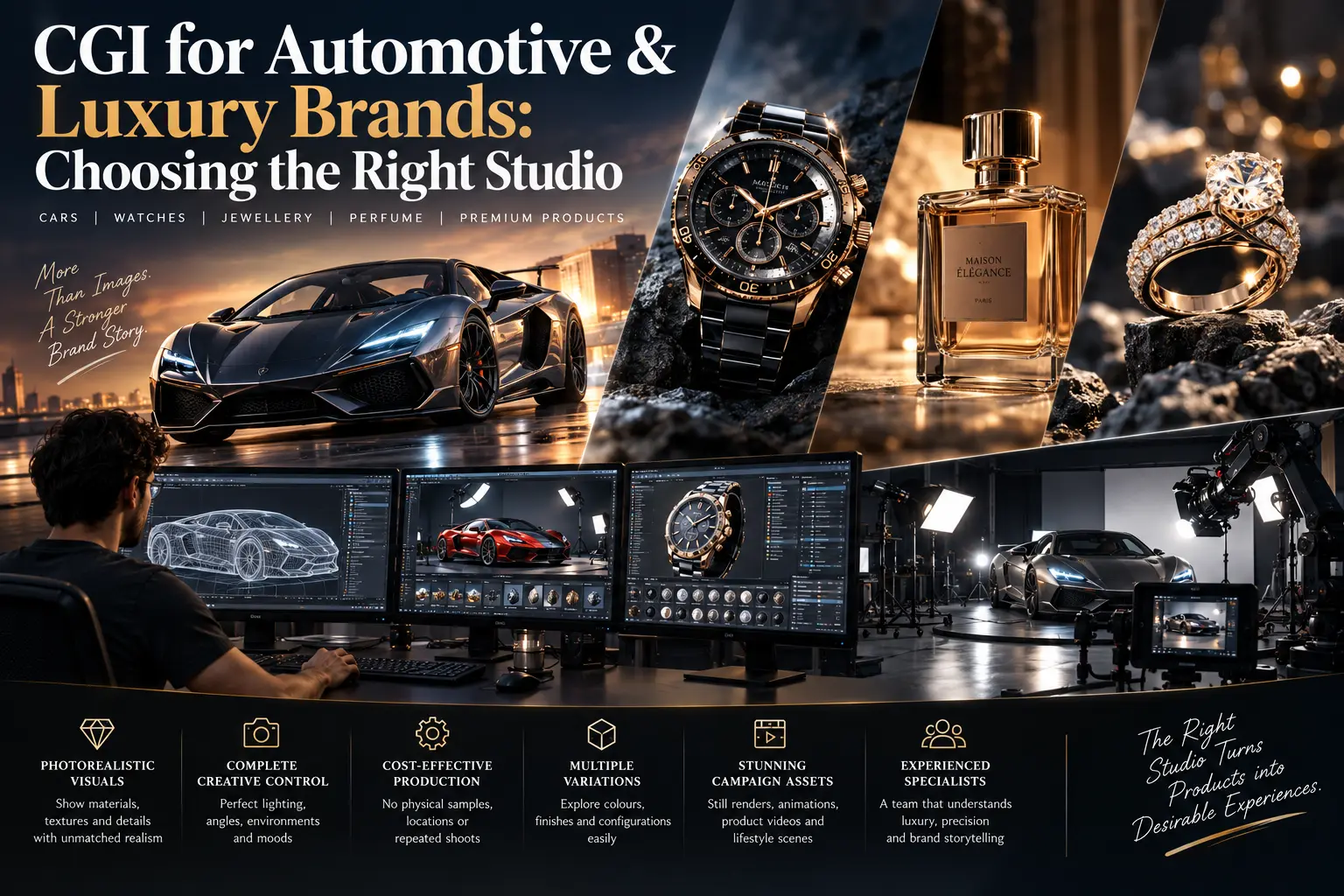
For automotive and luxury brands, the visual is the product. A watch, a car, a bottle of perfume, a piece of fine jewellery — these are sold on craftsmanship, materials, and the feeling they create, and that feeling has to come through in every image and film. CGI has become one of the most powerful ways to achieve it, because it gives exceptional control over light, reflection, material, and environment — a level of control that can be difficult to achieve consistently in a physical shoot.
This guide covers why automotive and luxury brands increasingly use CGI, what makes this work different from ordinary product visualization, where CGI genuinely outperforms photography (and where it doesn't), and how to choose a studio for premium work.
Why automotive and luxury brands use CGI
Premium products share a set of visual demands that CGI is unusually well suited to:
Flawless control of reflection and light. A car's paint, a chrome grille, a polished watch case, cut glass, gold — these are defined by how they catch and bend light. In a physical shoot, controlling reflections on highly reflective surfaces is one of the hardest, slowest jobs in the business. In CGI, reflections, highlights, and gradients are far more directable, so the surface reads exactly as intended.
Materials that have to look perfect. Luxury lives in material detail — brushed metal, hand-stitched leather, lacquered wood, the exact sheen of a fabric. CGI renders these with precise, repeatable accuracy, and lets a brand present the same material identically across every asset and market.
Impossible or impractical shots. A car driving through a stylised environment that doesn't exist, a watch exploding into its components mid-air, a perfume bottle forming from liquid — these can be created in CGI without the physical production constraints that would make them difficult or expensive to film.
Showing a product before it exists. For automotive especially, CGI lets a brand build an entire launch campaign around a vehicle before a production model is available to photograph — a major reason car makers rely on it.
Consistency across a global campaign. One CGI model produces every angle, colourway, trim, and environment a worldwide campaign needs, with consistent visual treatment across markets — where a physical shoot would mean re-shooting each variant.
What makes automotive and luxury CGI different
This isn't the same as standard product rendering, and it's worth understanding why, because it affects who you should hire.
The tolerance for visible imperfection is particularly low. A slightly-off reflection or a material that reads as plasticky is immediately obvious on a luxury product and can actively damage the brand. Premium CGI demands a higher level of material and lighting craft than general product work.
Automotive is its own discipline. Car CGI involves extreme reflection complexity, accurate paint and metal shaders, and often scale and environmental integration that few studios do well. A studio strong in general product CGI isn't automatically strong in automotive.
Brand aesthetic matters as much as realism. Luxury work isn't just "make it look real" — it's making it look real in the brand's specific visual language: its lighting mood, its restraint, its sense of premium. That's an art-direction skill on top of the technical one.
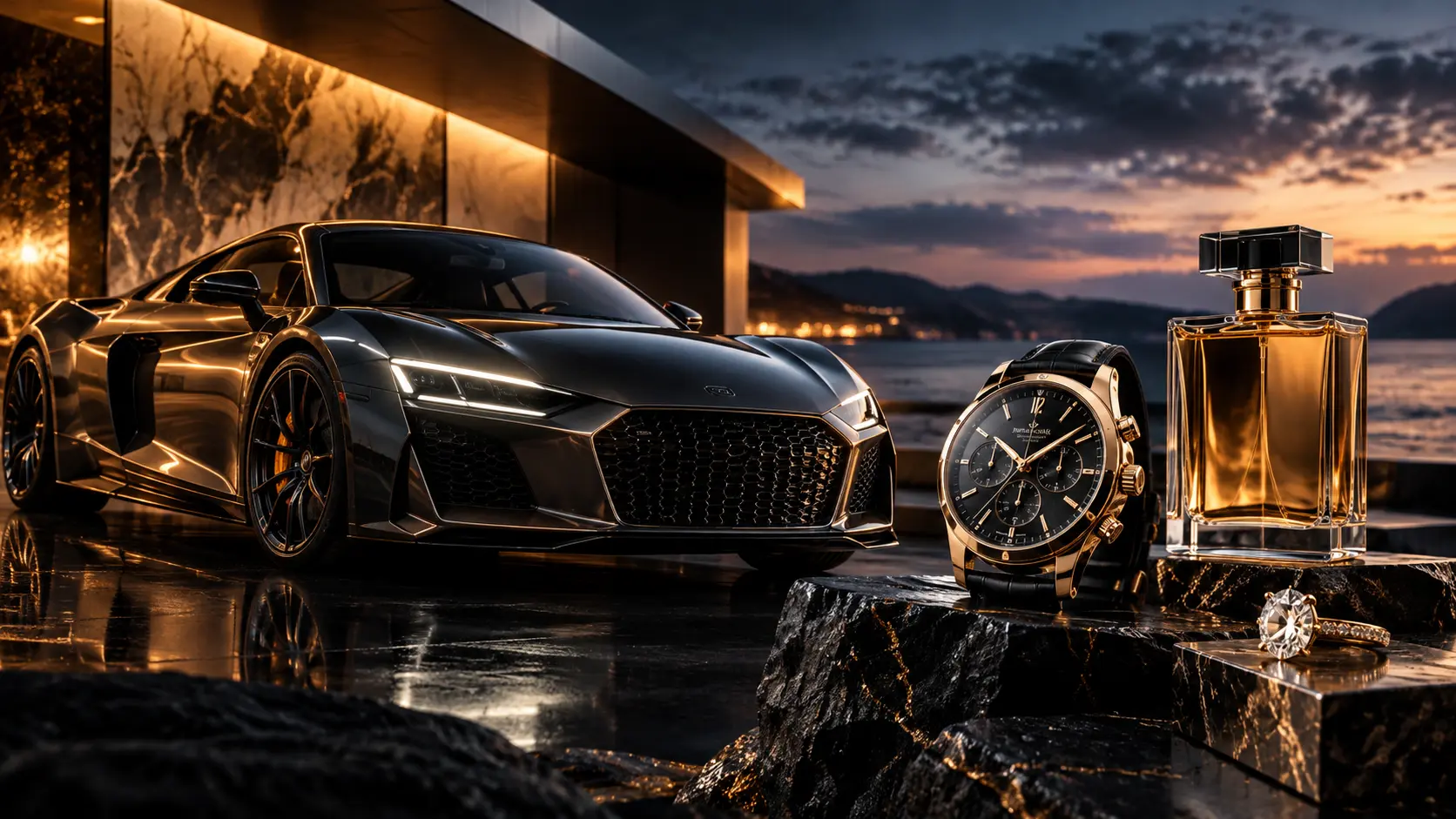
CGI vs photography for premium brands
CGI isn't a wholesale replacement for photography, even at the luxury end — the honest split:
CGI tends to win for hero product shots where reflection and material control are critical, launch campaigns before a product exists, unlimited colour/trim/material variants, impossible or stylised environments, and global consistency across markets.
Photography still has a place for authentic lifestyle and human-centred imagery (a person wearing the watch, driving the car, the product in a real environment with real people), and for capturing certain intangible qualities of a physical object that some art directors still prefer to shoot.
Many premium brands use both — CGI for controlled hero and campaign imagery, photography for lifestyle and human context. The two aren't rivals; they cover different needs.
What premium CGI work involves
A luxury or automotive CGI project typically runs through: an art-direction and reference stage (establishing the brand's visual language, mood, and the shots needed); precise 3D modelling of the product, often from CAD or detailed reference; careful material and shader work (the stage where premium quality is won or lost); lighting and environment design in the brand's aesthetic; rendering; and post-production/compositing to final finish.
The material and lighting stages are where the difference between good and merely competent CGI shows most — which is why art-direction quality and material craft matter more than raw technical capability when choosing a studio for this work.
How to choose a studio for automotive or luxury CGI
Beyond the general criteria for any CGI studio, premium work calls for a few specific checks:
Category-matched, full-resolution samples. Ask specifically for automotive or luxury work — and for full-resolution, unretouched renders, not compressed showreels. Reflection and material quality only reveal themselves at full resolution.
Material and lighting craft. Look hard at how metal, glass, paint, leather, and liquid read in their samples. This is the single biggest differentiator for premium work.
Art-direction sensibility. Does their work show restraint and brand awareness, or just technical showing-off? Luxury brands need the former.
Automotive specialism, if relevant. If you need car CGI, confirm they've done automotive specifically — it's a distinct discipline.
Honest claims. Be cautious of claims that can't be independently verified — particularly named clients or precise campaign results with no case study behind them. Ask for evidence of any specific claim; real work stands up to it.
The honest note on this page
We've deliberately not filled this guide with named blue-chip clients or invented campaign statistics. When evaluating a studio, verifiable work and category-matched samples at full resolution are more useful than unsupported headline claims — for luxury and automotive work especially, the render quality is what tells you what a studio can actually do.
Working with Chasing Illusions Studio
Chasing Illusions Studio produces CGI and product visualization work, including 3D product animation and anamorphic and CGI content for brands that need controlled, high-quality visuals. For premium projects, we'd rather show you relevant, category-matched samples at full resolution than lead with client logos or headline claims — because for automotive and luxury work, the quality of the final work should matter more than a list of client logos or headline claims.
To discuss an automotive or luxury CGI project, see our product animation service, view our portfolio on Behance, or get in touch for a scoped quote.
Frequently Asked Questions
Why do automotive brands use CGI instead of photography?
CGI gives exceptional control over reflections, paint, and environment, and lets a brand build a full campaign before a production vehicle exists. It also produces every colour, trim, and angle from one model with consistent visual treatment across markets — difficult and expensive to achieve by shooting.
Is CGI good enough for luxury product marketing?
Yes, when done at a high enough level. The deciding factor is material and lighting craft — premium products have very little tolerance for visible imperfections such as a reflection or material that reads as off, so the quality bar is higher than for general product CGI.
Does CGI replace photography for luxury brands?
Not entirely. CGI excels at controlled hero and campaign imagery; photography still suits authentic lifestyle and human-centred shots. Many premium brands use both.
How do I judge an automotive or luxury CGI studio's quality?
Ask for full-resolution, unretouched, category-matched samples and look closely at how metal, glass, paint, and leather read. Art-direction sensibility and material craft matter more than a client list.
Can you show a product before it's manufactured?
Yes — building CGI from CAD or design data lets a brand create marketing imagery and full campaigns before a physical product or vehicle exists, which is a primary reason automotive brands rely on it.
How much does automotive or luxury CGI cost?
It varies significantly with the product, number of shots, modelling requirements, environments, animation length, materials, revisions, and final deliverables. A single product still and a multi-scene automotive campaign have very different production requirements, so a scoped quote based on your specific project is far more useful than a generic per-image or per-minute rate.
Chasing Illusions Studio
Premium animation & video production studio based in Delhi, India. Specialising in 3D animation, medical visualisation, architectural walkthroughs, and CGI.