What Is an Anamorphic Video?
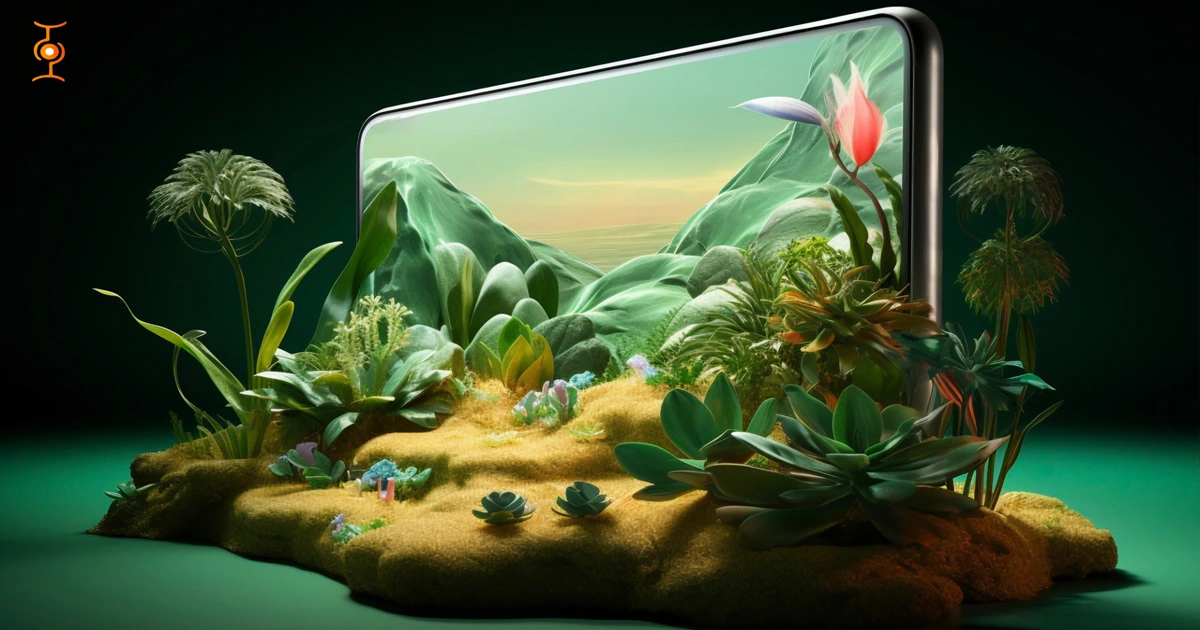
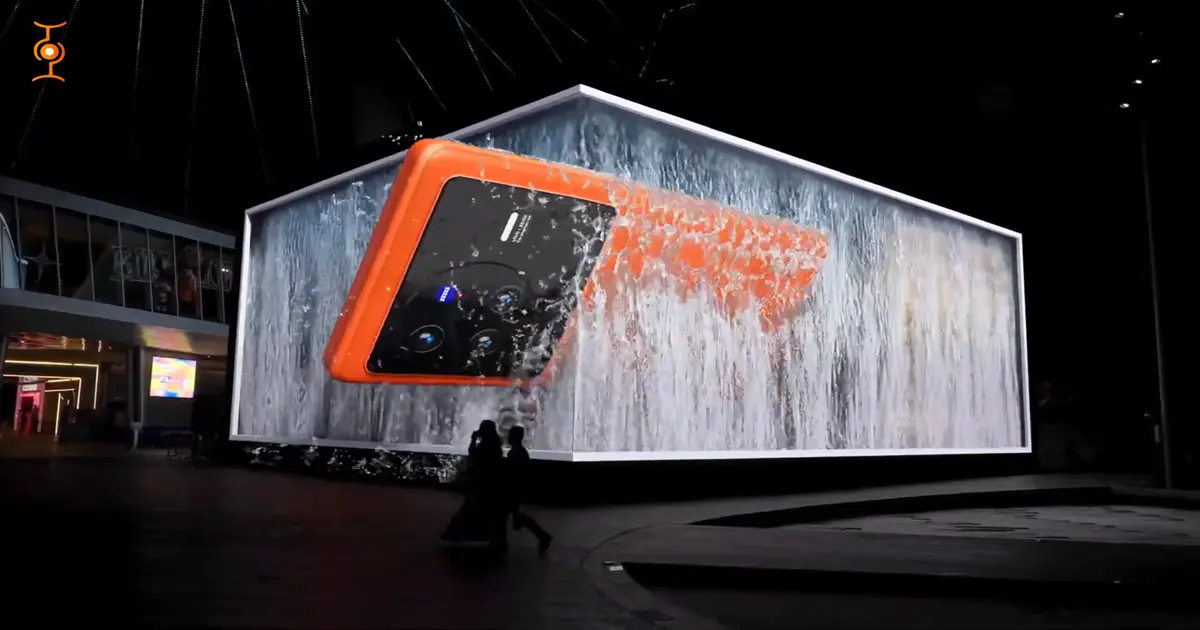
An anamorphic video is footage intentionally distorted during production so it displays a corrected, striking image only under specific viewing conditions — most commonly on curved LED screens, billboards, or building facades, where the illusion appears three-dimensional to viewers from a set angle. A separate, unrelated use of the term describes footage shot on anamorphic lenses to get a widescreen cinematic look (2.39:1, oval bokeh, horizontal flares) — this is a filmmaking technique, not an illusion. This guide covers both, starting with the distinction.
Anamorphic Illusion Video vs. Anamorphic Lens Footage: What's the Difference?
These are the two things people mean when they say "anamorphic video." Confusing them is the single biggest mistake in most guides on this topic — including outdated versions of this one.
3D Anamorphic Illusion Video | Anamorphic Lens Footage | |
|---|---|---|
What it is | CGI content built to look three-dimensional and "pop off" a flat screen when viewed from one angle | Standard footage shot with special lenses (or faked in software) for a widescreen cinematic look |
Where it's seen | Curved LED billboards, mall installations, building corners, brand launch events | Films, YouTube, TikTok, commercials, music videos |
How it's made | 3D modeling and compositing software (Blender, Cinema 4D, Unreal Engine) | Anamorphic camera lenses, or post-production stretch/crop effects |
Primary goal | Create a jaw-dropping optical illusion for out-of-home advertising | Create a cinematic, "Hollywood" aesthetic for narrative or brand video |
Typical client | Brands running OOH/DOOH campaigns, product launches, exhibitions | Filmmakers, vloggers, marketers wanting a film-like look |
This guide focuses primarily on 3D anamorphic illusion video — the CGI-driven, billboard/screen style used in modern OOH advertising — since that's the more commonly searched and commercially significant format in 2026. Where the two processes diverge, both are covered separately.
Explore our 3D Anamorphic Videos Portfolio for cosumer brands Ads campaign
How Does an Anamorphic Illusion Video Work?
An anamorphic illusion video works by mapping 3D content to a specific viewing angle so that only from that angle does the image appear correctly proportioned and three-dimensional; from any other angle, it looks stretched or distorted. The technique relies on precise perspective calculations tied to the exact geometry of the screen (its curve, corner angle, or mounting position) and the expected viewer position.
The three components that make the illusion work:
Perspective mapping — the 3D scene is built and rendered from a single fixed camera viewpoint that matches where real-world viewers will stand.
Screen geometry data — the exact dimensions and curvature of the physical display (e.g., a curved corner LED screen) are fed into the 3D software so the render compensates for it.
Depth and motion cues — shadows, parallax, and animated elements (an object appearing to break the screen's edge) sell the 3D effect to the eye.
Where Are Anamorphic Videos Used?
Anamorphic illusion videos are most commonly used in:
Out-of-home (OOH) advertising — curved LED billboards in high-traffic urban locations (Times Square-style corner screens)
Product launches and exhibitions — booth installations designed to draw crowds
Mall and retail installations — 3D screens embedded in shopping center walls
Brand social campaigns — filmed footage of the illusion re-shared on Instagram/TikTok for secondary reach
Anamorphic-lens footage (the cinematic variant) is used in:
Feature films and streaming series
Music videos and commercials
High-production YouTube and branded content
How Is an Anamorphic Illusion Video Made?
Concept and screen audit. The production team gets exact measurements and geometry of the target screen or billboard, since the entire illusion is built around this data.
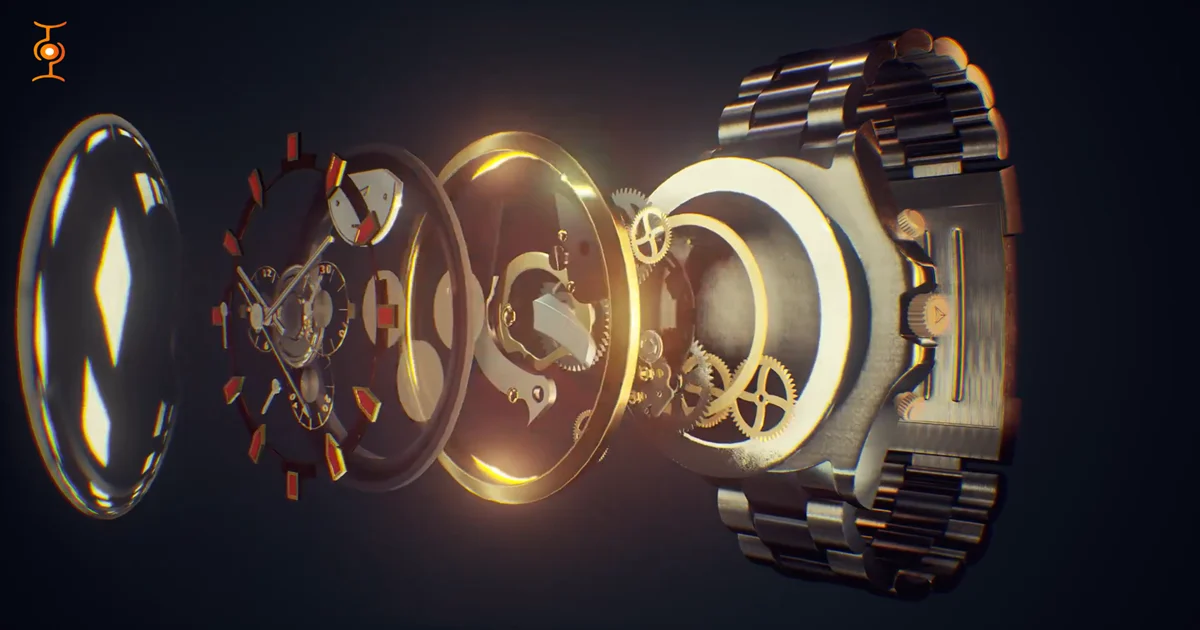
3D modeling. Artists build the scene and objects in software like Blender, Cinema 4D, or Maya.
Camera and perspective setup. A virtual camera is locked to the anticipated viewer position, and the scene is rendered from that single viewpoint.
Animation and compositing. Motion, lighting, and depth effects are added in tools like Unreal Engine or After Effects to sell the 3D breakout effect.
Test rendering on-screen. Footage is projected or tested on a screen matching the target geometry to confirm the illusion holds from the intended viewing angle.
Final render and delivery. The video is exported in the display's native resolution and format for the specific screen it will run on.
For anamorphic-lens footage, the process is different: shoot with an anamorphic lens or adapter at a wide aperture, then de-squeeze the footage in post (DaVinci Resolve or Premiere Pro) to restore the correct widescreen proportions before grading and export.
How Long Does It Take to Make an Anamorphic Video?
Timelines depend on complexity and screen type:
Simple digital illusion video: 1–2 weeks
High-end realistic or architectural-scale illusion video: 3–6 weeks (includes concept design, 3D modeling, animation, rendering, and revisions)
Anamorphic-lens footage (filming + editing): typically 3–7 days for a short commercial piece, from shoot to final export
How Much Does an Anamorphic Video Cost?
Cost depends heavily on format and complexity. As a general market research guide:
Production type | Typical range |
|---|---|
Basic (Entry) 3D illusion video (short, simple scene) ~ 15 seconds | Rs. 1,50,000 to 1,80,000 |
Standard (Mid) custom product modeling/billboard illusion campaign ~ 30 seconds | Rs. 2,50,000 to 3,00,000 |
Premium (High) High-detail product/character modeling, cinematic storytelling ~ 30 seconds | Rs. 4,50,000 to 5,50,000 |
Note: exact figures depend on screen size, animation complexity, and market — request a quote for custom 3D Anamorphic video's quotation + cost sheet.
What Software Are Used to Create Anamorphic Videos?
For 3D anamorphic illusion video:
3D modeling/animation: Blender, Cinema 4D, Maya
Real-time rendering: Unreal Engine
Compositing: After Effects, Nuke
For anamorphic-lens cinematic footage:
Camera: full-frame or Super 35 sensor camera (e.g., mirrorless or cinema camera)
Lens: true anamorphic lens (e.g., 1.33x or 2x squeeze) or a budget anamorphic adapter
Editing/de-squeeze: DaVinci Resolve, Premiere Pro, Final Cut Pro
Effects: dedicated flare/bokeh plugins for realistic lens characteristics
What Are Common Mistakes in Anamorphic Video Production?
Skipping the screen-geometry audit. For illusion video, guessing at screen curvature instead of measuring it breaks the effect entirely — this is the single most common failure point.
Wrong viewing-angle assumptions. If the intended viewer position isn't nailed down early, the 3D breakout effect won't read correctly in the real world.
Incorrect de-squeeze ratio (lens footage). Using the wrong stretch factor in post distorts faces and straight lines.
Overusing effects. Excessive lens flares or exaggerated depth cues distract rather than impress.
No on-location test. Skipping a test render on the actual (or a matched) screen before final delivery risks costly reshoots.
FAQs About Anamorphic Video
Is an anamorphic video the same as a 3D video?
No. A 3D video typically requires special glasses or a stereoscopic display to perceive depth. An anamorphic illusion video creates the appearance of 3D depth using a flat 2D screen, relying entirely on forced perspective and viewing angle — no special equipment needed for the viewer.
Can anamorphic video be made without expensive equipment?
3D illusion video requires 3D modeling software (some, like Blender, are free) but does demand modeling and animation skill. Anamorphic-lens cinematic footage can be approximated without a real anamorphic lens by cropping, stretching, and grading standard footage in editing software — a lower-cost entry point for the cinematic look specifically.
What makes an anamorphic illusion video convincing?
Accurate screen geometry data, a camera angle matched to the real viewer position, and depth cues like shadows and parallax. Get any one of these wrong and the illusion collapses from most angles.
Do anamorphic videos work on any screen?
No — illusion-style anamorphic video is built for one specific screen geometry and viewing position. Content designed for a curved corner screen will not translate correctly to a flat billboard without being rebuilt.
How is anamorphic illusion video different from a hologram?
A hologram uses light diffraction or projection techniques to create a genuinely three-dimensional image in space. Anamorphic illusion video is a 2D video that simulates three-dimensionality through perspective tricks — there's no physical light manipulation involved, only clever rendering.
What is timeline of anamorphic illusion video?
Timelines run 1–6 weeks depending on complexity; costs scale with animation complexity and screen scale rather than following a fixed formula.
Work With Chasing Illusions Studio
Book a discovery 20-minutes strategy call
📞 +91-9910911696 | +91-9910660851
📩 info [@] chasingillusions [.] in
Written by Deepak, Anamorphic & CGI Ads content strategist at Chasing Illusions Studio. Our clients include Vivo Mobile, McDonald's, Kotak Mahindra Bank, Mitsubishi Electric, Rolls Royce, etc., 100+ consumer brands across India, USA, Thailand, and the UK.
Last Updated: July 21 2026 | Chasing Illusions Studio
Chasing Illusions Studio
Premium animation & video production studio based in Delhi, India. Specialising in 3D animation, medical visualisation, architectural walkthroughs, and CGI.